
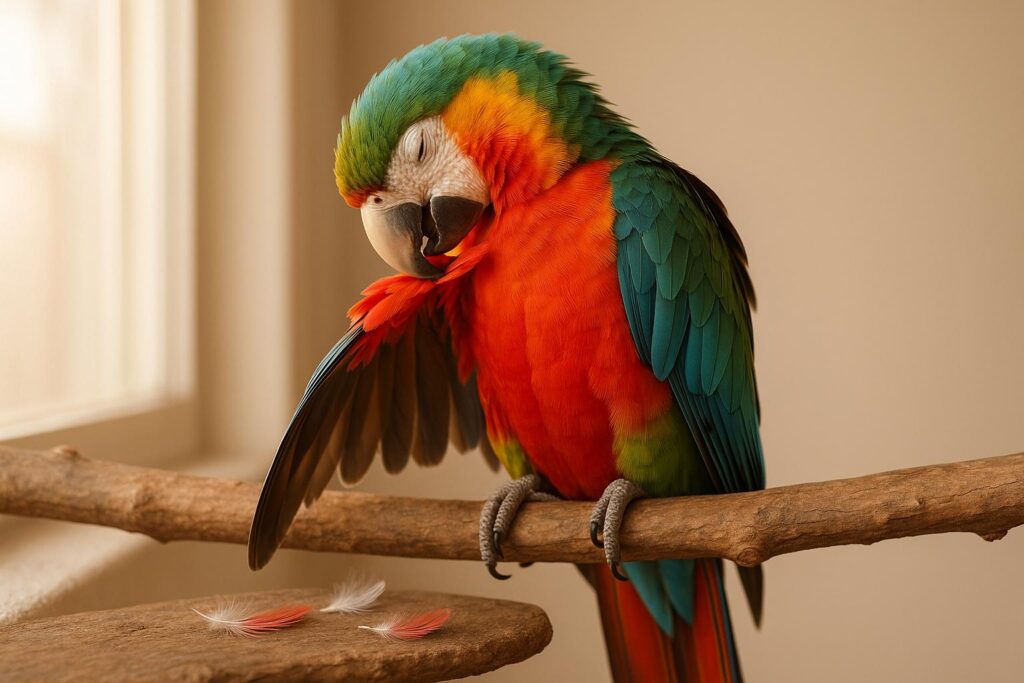
Feather plucking in birds is a distressing behavior where they pull out their feathers, leading to bald patches or skin damage. Unlike normal grooming (preening), plucking is compulsive and signals underlying issues. Causes include:
- Medical problems: Skin infections, allergies, hormonal changes, or serious conditions like liver disease.
- Living conditions: Stress from small cages, lack of mental stimulation, poor lighting, or exposure to irritants.
- Behavioral factors: Stress, separation anxiety, past trauma, or boredom.
Quick action is necessary to prevent permanent damage and worsening health. Consult an avian vet to rule out medical causes, improve your bird’s environment, and address stressors. Early intervention and consistent care are key to helping your bird recover.
How To Uncover Your Bird’s Triggers for Feather Plucking
Main Causes of Feather Plucking
Figuring out why birds pluck their feathers often boils down to three key factors. Each one brings its own challenges, and pinpointing the exact cause is the first step toward finding the right solution.
Medical Causes
Health problems are a common reason birds start plucking their feathers. These issues often cause physical discomfort, leading birds to pull at their feathers in an attempt to find relief.
Skin infections, like bacterial or fungal infections, and parasites such as mites or lice, can cause intense itching and irritation. Birds may pluck their feathers to soothe the discomfort, making early treatment crucial.
Allergies are another potential culprit. Birds can develop sensitivities to various triggers, including certain foods, cleaning products, or even bedding materials.
"Allergy testing, such as blood tests or elimination diets, can identify triggers and guide treatment." – Harrison and Lightfoot, Clinical Avian Medicine
Hormonal shifts, particularly during breeding seasons, can also lead to feather plucking. Changing hormone levels may make birds more likely to target their feathers, especially in areas they can easily reach.
More serious medical conditions, such as liver disease, tumors, respiratory infections, or kidney problems, can also contribute. These internal issues often manifest as feather-damaging behaviors.
Diagnosing medical causes can be tricky and often requires professional help. One bird owner shared how basic wellness checks showed no clear issues, only for deeper tests to reveal a contagious condition like bornavirus that needed immediate attention.
"Early diagnosis is critical because untreated infections can spread and harm your bird’s overall health." – Ritchie, Harrison, and Harrison, Avian Medicine: Principles and Applications
Here’s an overview of common diagnostic options:
| Diagnostic Option | What It Includes | Cost Range |
|---|---|---|
| Basic Wellness Checkup | Physical exam, basic blood work | $150 – $250 |
| Moderately Comprehensive Workup | Advanced diagnostics like X-rays and cultures | $400 – $800 |
Once medical causes are ruled out or addressed, the next step is to look at your bird’s living conditions.
Living Condition Causes
The environment a bird lives in plays a huge role in its overall well-being. Poor living conditions often lead to stress, which can directly trigger feather plucking.
Inadequate cage setup is a common source of stress. Small cages without proper perches or enough space to move freely can frustrate a bird.
Lack of mental stimulation is another major factor. In the wild, birds spend hours every day foraging for food. Without similar activities in captivity, they may redirect that energy toward plucking their feathers.
Exposure to toxins like smoke, aerosols, or household chemicals can irritate a bird’s skin and respiratory system. Even everyday items like air fresheners or non-stick cookware can cause health issues that lead to feather plucking.
Lighting conditions also matter. Poor lighting – whether too much, too little, or the wrong spectrum – can disrupt hormone levels and sleep patterns, leading to behavioral problems.
Cage placement is often overlooked but can make a big difference. Research shows that cockatoos kept in cages against walls are more likely to develop feather-plucking behaviors. Birds need a sense of security while also being able to see their surroundings.
While environmental factors are important, emotional and psychological triggers are just as significant.
Behavioral Causes
Emotional and psychological stressors are often at the heart of feather plucking, making this cause particularly complex to address.
Stress from captivity is a big factor. Wild birds are free to fly, explore, and make choices, but the confined life of a pet bird can lead to chronic stress, which sometimes manifests as feather plucking.
Separation anxiety is another common issue. Birds that form strong attachments to their owners may begin plucking when left alone as a way to cope.
Past trauma can also play a role. Birds that have experienced abuse, neglect, or frightening events may develop feather plucking as a long-term stress response.
Lack of social interaction is especially hard on birds, which are naturally social creatures. Without enough attention from their owners or interaction with other birds, they may resort to destructive behaviors.
Interestingly, studies have revealed patterns in feather plucking. For example, African grey parrots with longer sleep hours and longer ownership periods are more prone to this behavior. Cockatoos, on the other hand, are more likely to pluck if purchased from a pet shop or if their owners take frequent vacations.
Attention-seeking behavior can also reinforce feather plucking. If owners react strongly – whether positively or negatively – birds may continue plucking simply because it gets them noticed.
In some cases, feather plucking becomes a habit, persisting even after the original trigger is resolved. Addressing behavioral causes often requires understanding whether the issue stems from captivity stress, lack of social interaction, or a combination of factors. A holistic approach that considers medical, environmental, and behavioral elements is often the most effective way to tackle this issue.
How to Spot Feather Plucking and Its Effects
Catching feather plucking early is key to preventing long-term issues for your bird. Many bird owners confuse the initial signs of plucking with normal grooming habits. Learning to recognize the warning signs and understanding how this behavior impacts your bird’s well-being can make all the difference.
Signs of Feather Plucking
The clearest sign is missing or damaged feathers, but it’s the pattern of feather loss that holds clues. Pay attention to areas like the breast, under the wings, and around the legs. Missing or broken feathers in these spots, along with dry or flaky skin or visible lesions, often point to excessive plucking.
Behavioral changes can also signal trouble. If your bird is preening excessively, seems stressed, or acts lethargic, these could be linked to feather plucking.
"Normal grooming can include some feather plucking, but any areas of missing feathers are indicators of feather plucking. Any areas of balding, severe thinning of the feathers, or plucking leading to skin lesions should be examined by your veterinarian once recognized." – Jessica Hockaday, DVM
It’s also important to distinguish plucking from molting. While molting involves the natural shedding of full feathers, plucking leaves behind broken, ragged pieces. Spotting these signs early can help you address the issue before it escalates.
Health Problems from Feather Plucking
Feather plucking doesn’t just damage feathers – it can lead to deeper physical and emotional harm.
Physically, plucking can result in open wounds, bleeding, and an increased risk of bacterial or fungal infections from repeated picking. Over time, chronic plucking can permanently damage feather follicles, leaving bald patches that may never recover. In severe cases, this behavior can progress to self-mutilation, where the bird injures its skin, significantly raising the risk of life-threatening infections.
The emotional toll is equally concerning. Birds that pluck often show signs of stress, such as lethargy, loss of appetite, and even depression. This creates a vicious cycle where stress feeds the behavior, worsening the bird’s condition.
Why Quick Action Matters
Addressing feather plucking promptly can make a world of difference.
Early intervention is crucial to prevent permanent follicle damage. Once the follicles are destroyed, feathers won’t grow back, even if the plucking stops. Acting quickly also reduces the chance of the behavior becoming a deeply ingrained habit, which can be much harder to reverse.
Delays in treatment can lead to escalating health problems. Minor skin irritation can quickly turn into infections or more severe complications. Consulting an avian veterinarian early ensures the root cause is identified and treated effectively, improving the chances of a full recovery for your bird.
How to Fix and Prevent Feather Plucking
Tackling feather plucking takes a methodical approach that focuses on identifying the root causes and making thoughtful changes. Success comes from understanding your bird’s needs, creating a better environment, and staying consistent in your care.
Identifying Triggers
Start by closely observing your bird throughout the day to figure out what might be causing stress. Pay attention to overall behavior patterns rather than isolated incidents. Spend time near the cage at different times to notice if certain sounds, activities, or interactions seem to upset your bird. Keeping a detailed journal can be incredibly helpful – note the time of day, household activities, your bird’s mood, and any plucking behavior. This record can provide valuable insights for your avian veterinarian to identify underlying issues and guide you toward solutions. Once you’ve pinpointed the triggers, the next step is to improve your bird’s living environment.
Improving the Living Environment
A better living space can help reduce feather plucking by giving your bird healthy outlets for energy and natural instincts. Start by ensuring the cage is the right size and includes separate areas for living and waste. Exposure to natural sunlight or bird-safe ultraviolet bulbs is essential for overall well-being.
To combat boredom, introduce foraging activities like hiding treats or using puzzle feeders. Establish a consistent daily routine, including at least 12 hours of uninterrupted darkness for proper sleep. During the day, stimulate your bird’s senses by placing the cage near a window, playing soft music, or showing bird-friendly videos. Regular bathing or misting can encourage natural preening and may divert attention away from plucking. Spending quality time with your bird through training sessions or interactive play can also reduce stress and strengthen your bond. Once the environment is enriched, it’s time to address diet.
Adjusting the Diet
Poor nutrition often plays a major role in feather plucking, with calcium deficiency being a common culprit. Transition your bird from a seed-based diet to high-quality pellets supplemented with fresh fruits and vegetables. Seeds alone don’t provide adequate nutrients, especially since birds often discard the vitamin coating on them. Work with your avian veterinarian to identify any specific nutritional gaps and determine if supplements like calcium, vitamin D₃, or magnesium are needed. When introducing new foods, go slowly to avoid additional stress. During feather regrowth, consider supplements with biotin and probiotics to support your bird’s increased nutritional needs.
Modifying Problem Behaviors
Changing behavior takes patience and consistency. Avoid reinforcing plucking by not reacting strongly when it happens. Instead, gently redirect your bird’s attention to positive activities like foraging or interactive play. Loneliness and boredom are common triggers, so increase social interaction through predictable routines for feeding, playtime, and sleep. Puzzle toys and new challenges can keep your bird mentally stimulated, helping to replace the feather-plucking habit with healthier behaviors over time.
Temporary Protective Tools
In severe cases, your veterinarian might suggest temporary use of protective devices like collars or vests. These tools can prevent further damage while you work on resolving the underlying causes. Always use them under veterinary supervision and for a limited time to allow for healing without causing additional stress.
sbb-itb-e212914
When to See a Veterinarian
While some cases of feather plucking can be addressed at home, there are times when professional help is absolutely necessary. As mentioned earlier, persistent feather plucking can hint at deeper health or behavioral issues. Knowing when to seek veterinary care is crucial to avoid complications and ensure your bird’s well-being.
Warning Signs That Require Immediate Attention
Certain symptoms demand prompt action. If your bird is experiencing rapid or widespread feather loss, open wounds, bleeding, or noticeable skin lesions, these are red flags that go beyond typical plucking behavior. Other concerning signs include sudden lethargy, a loss of appetite, or visible discomfort, all of which may indicate an underlying medical condition. In extreme cases, some birds may harm themselves severely enough to cause permanent damage to their feather follicles. These situations call for an urgent visit to the veterinarian to prevent further harm.
What to Expect During a Vet Visit
When you take your bird to an avian veterinarian, the visit typically starts with a detailed discussion about your bird’s environment and habits. Be prepared to share information about how long the feather plucking has been happening, any recent changes in the household, the size and setup of the bird’s enclosure, daily routines, and the bird’s diet.
The vet will then perform a thorough physical exam, checking your bird’s overall health and closely inspecting the affected areas. Depending on what they find, they may recommend diagnostic tests. These tests can help evaluate organ function, identify infections, or assess damaged tissues.
"In most cases feather plucking can gradually progress, identification and early care by your veterinarian are recommended." – Jessica Hockaday, DVM
This step-by-step process highlights the importance of seeking professional care sooner rather than later.
The Value of Regular Vet Visits
Routine veterinary care plays a key role in keeping your bird healthy over the long term. Birds are known to hide signs of illness until the condition becomes serious. Annual check-ups can uncover underlying problems – like bacterial infections, nutritional imbalances, or other health concerns – that may contribute to feather plucking. Early detection allows for more effective treatment and management.
Building a relationship with an avian veterinarian is also beneficial for ongoing advice on proper nutrition and environmental enrichment. For new bird owners, scheduling a vet visit within the first few days of purchase or adoption helps establish a baseline for your bird’s health and addresses any potential issues early on.
Key Points for Bird Owners
To ensure your feathered friend stays healthy and happy, there are a few important things every bird owner should keep in mind. Tackling feather plucking effectively starts with early detection, creating an enriched environment, and seeking veterinary care when needed. Here’s a quick rundown of actionable steps to help your bird thrive.
Spot issues early. Pay close attention to your bird’s grooming habits. While you don’t need to memorize every warning sign, any noticeable change in how your bird cares for its feathers could signal the beginning of plucking behavior. Acting quickly can make all the difference.
Create a stress-free environment. A well-rounded approach to care is key. Make sure your bird gets at least 12 hours of uninterrupted sleep, has access to natural or UV light, and enjoys a space filled with opportunities for foraging and interactive play. These simple steps can significantly lower stress levels and discourage plucking.
Consult your vet promptly. If you notice feather plucking, don’t wait – schedule a veterinary visit right away. The first priority is ruling out any medical issues before focusing on behavior. Be ready to share details about your bird’s diet, daily routine, environment, and any recent changes during the appointment.
FAQs
How can I enrich my bird’s environment to help stop feather plucking?
Preventing Feather Plucking Through Environmental Enrichment
Keeping your bird entertained and mentally engaged is essential to reducing feather plucking. Start by offering a mix of toys that tap into their natural instincts, like shredding, foraging, and climbing. Think shredded paper, wooden blocks, or interactive foraging toys. To keep their interest alive, swap out toys regularly so they always have something new to explore.
You can also spice up their environment with puzzle feeders, hang treats or fresh fruits within reach, or introduce different textures like ropes and pinecones. These small changes can help fight off boredom and keep your bird both mentally sharp and physically active. If feather plucking persists, it’s a good idea to consult an avian veterinarian to check for any underlying health concerns.
How can I tell if my bird is molting or feather plucking?
To figure out whether your bird is molting or feather plucking, take a close look at the pattern of feather loss and the bird’s overall condition.
Molting is a normal, natural process where feathers shed gradually and evenly across the body. During this time, you’ll notice healthy new feathers growing in, and there shouldn’t be any bare patches or visible skin.
On the other hand, feather plucking tends to leave noticeable bald spots, often on the chest, wings, or legs. The feathers might look broken or ragged, and the skin could appear irritated or damaged. This behavior is usually more localized and is often linked to stress, boredom, or underlying health problems.
If you think your bird is feather plucking, it’s a good idea to consult a veterinarian. They can check for medical issues and suggest solutions, like improving the bird’s environment or adjusting its diet.
What should I do if my bird starts plucking its feathers?
If your bird starts plucking its feathers, the first step is to book an appointment with a veterinarian. Feather plucking can have several possible causes, including medical conditions like infections, parasites, or nutritional deficiencies. It can also be triggered by stress or boredom. A vet will help identify any underlying health issues and suggest the right treatment plan.
While waiting for the vet visit, take a close look at your bird’s environment and daily routine. Make sure their habitat is engaging, with plenty of toys, perches, and chances for interaction. Adding foraging toys and regularly switching out enrichment items can help keep them mentally stimulated. Also, review their diet to ensure it provides all the nutrients they need, as poor nutrition can sometimes lead to feather plucking.
Tackling feather plucking early is essential, so act quickly to get professional guidance and make changes that enhance your bird’s quality of life.