
When caring for your first rodent, proper handling is key to building trust and ensuring safety. Rodents are fragile and easily stressed, so knowing how to approach, lift, and interact with them is crucial. Poor handling can lead to injuries, stress, or health issues like tail sloughing or fur slip. This guide covers essential steps for safe handling, from hygiene practices to recognizing stress signals.
Key Takeaways:
- Hygiene First: Wash hands before and after handling to prevent disease transmission.
- Create a Calm Space: Quiet, ground-level areas reduce risks of injury and stress.
- Approach Gently: Avoid sudden movements; let your rodent come to you.
- Proper Lifting: Always support their chest and hindquarters with both hands.
- Watch for Stress: Signs like freezing or wriggling mean it’s time to pause.
By following these steps, you can handle your pet safely, strengthen your bond, and maintain their well-being.
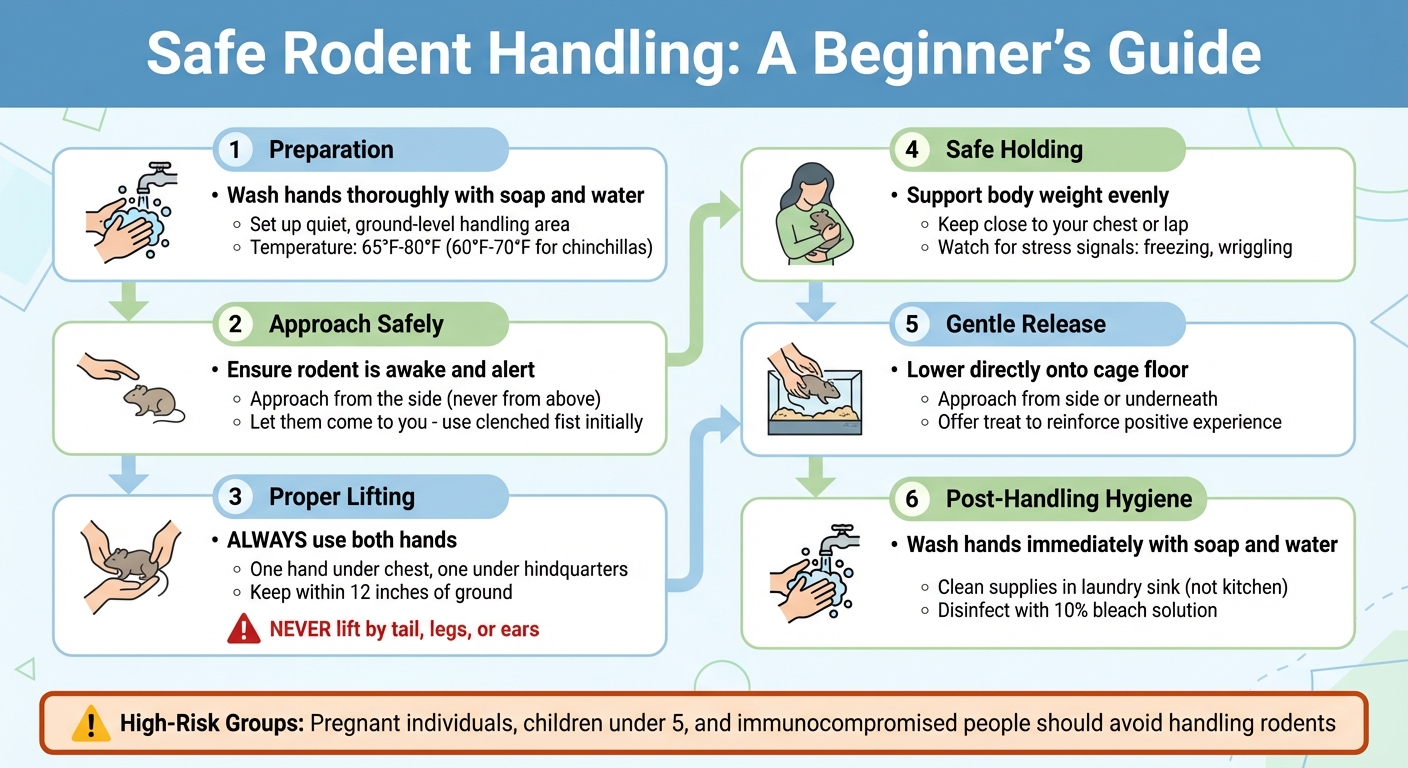
Safe Rodent Handling Steps for Beginners
Preparation Before Handling
Hygiene and Safety Precautions
Before and after handling your rodent, make sure to wash your hands thoroughly with soap and water. This helps remove any lingering scents that could stress your pet and reduces the risk of transmitting zoonotic diseases.
"Small mammals can sometimes carry germs that can make people sick even when they look clean and healthy." – CDC
Keep your rodent and its supplies far from kitchens or areas where food is prepared or eaten. Avoid holding your pet close to your face or engaging in behaviors like kissing or nuzzling. These actions can startle your rodent and increase the chance of spreading germs. The CDC advises pregnant individuals, children under 5, and those with weakened immune systems to avoid handling rodents altogether because of the higher risk of severe illness.
When cleaning your rodent’s habitat, always wear disposable gloves to limit direct contact with urine or droppings. Use a disinfectant made from a 10% bleach solution (1 part bleach to 10 parts water) to sanitize equipment. Clean these items in a laundry sink or bathtub – never in your kitchen.
Once hygiene is taken care of, it’s time to create a calm and safe environment for handling.
Setting Up a Calm Environment
Choose a quiet, ground-level spot for handling your rodent. This setup reduces the risk of injury if your pet jumps or falls. Keep the room temperature within the ideal range for your rodent species: 65°F to 80°F for most rodents, while chinchillas prefer a cooler range of 60°F–70°F.
"Pet parents should allow newly homed rats a few days to acclimate to their surroundings before trying to handle them." – Maria Zayas, DVM
If you’ve recently adopted your rodent, give it a few days to adjust to its new home before attempting to handle it. During this time, let your pet observe you from its cage and get used to your voice. When you’re ready to start handling, allow your rodent to approach your hand on its own. This helps build trust and keeps stress levels low.
With a calm environment in place, gather the tools you’ll need for a successful handling session.
Gathering the Right Tools
Set up a soft towel or padded mat on the handling surface. This provides a cushion in case your rodent makes an unexpected jump. This is especially helpful for skittish species like rats that may take time to get used to being handled.
Keep some high-quality treats on hand to reward your pet and encourage positive associations with handling. Just be mindful – treats should make up no more than 10% of your rodent’s daily diet to avoid weight issues. You might also want to have a soft brush or unscented baby wipes nearby for quick cleanups. Lastly, check that the area is free of electrical wires, cables, or small gaps where your rodent could escape or get hurt.
Approaching and Picking Up Your Rodent
Approaching Your Rodent Safely
Before handling your rodent, make sure it’s awake and alert. Startling a sleeping rodent can lead to a defensive bite, as they may instinctively perceive you as a threat. Use a soft and calm voice to let them know you’re there, but avoid making kissing sounds, which might scare them.
Place your hand inside the cage and stay still, giving your pet the chance to approach on its own terms. Begin with a clenched fist to protect your fingers. Always approach from the side – coming from above mimics a predator attack and can frighten your rodent.
"Swooping in to pick them up could be reminiscent of an attack from a predator." – Meghann Cant, BC SPCA Manager of Companion Animal Welfare Science & Policy
If your rodent comes closer, takes treats, or climbs onto your hand, this indicates it’s comfortable enough to be picked up. For more anxious pets, try using a spoon with a liquid treat like unsweetened applesauce or yogurt to encourage bonding. If your rodent nibbles at your hand, respond with a high-pitched "eep" sound – this mimics how rodents signal that a behavior is unwelcome.
Once your rodent shows signs of trust and comfort, you can move on to lifting them gently using proper techniques.
Proper Lifting Techniques
When lifting your rodent, always use both hands to ensure full support. Place one hand under their chest and the other under their hindquarters. A good method is the "scoop" technique: slide one hand under their belly and gently lift them into your cupped hand. Keep your rodent close to your body and limit lifting heights to no more than 12 inches to reduce the risk of injury from falls.
Never lift a rodent by its tail, legs, or ears, as this can cause severe harm. Avoid scruffing (grabbing the skin at the back of the neck), as it’s extremely stressful and could even lead to serious issues like a hamster’s eyes prolapsing. If your rodent is too nervous to handle directly, use a small box or cup to safely transport it out of the cage.
For beginners, practice lifting your rodent just an inch or two off the ground while seated. This minimizes the chance of injury if they jump and helps you assess their comfort level. Initially, hold your rodent facing away from you to avoid bites. Once trust is built, you can hold them facing toward you.
Safe Holding and Handling Practices
Supporting Your Rodent’s Body
When holding your rodent, always use both hands – one under their chest and the other supporting their hindquarters. Keep them close to your chest or lap, and try to stay within 12 inches of the floor to reduce the risk of injury from a fall. This method ensures their weight is evenly distributed, protecting their fragile ribs and spine.
"Small mammals have delicate ribs and need their weight supported on the back half of their body to avoid injuries to the ribcage." – Oxbow Animal Health
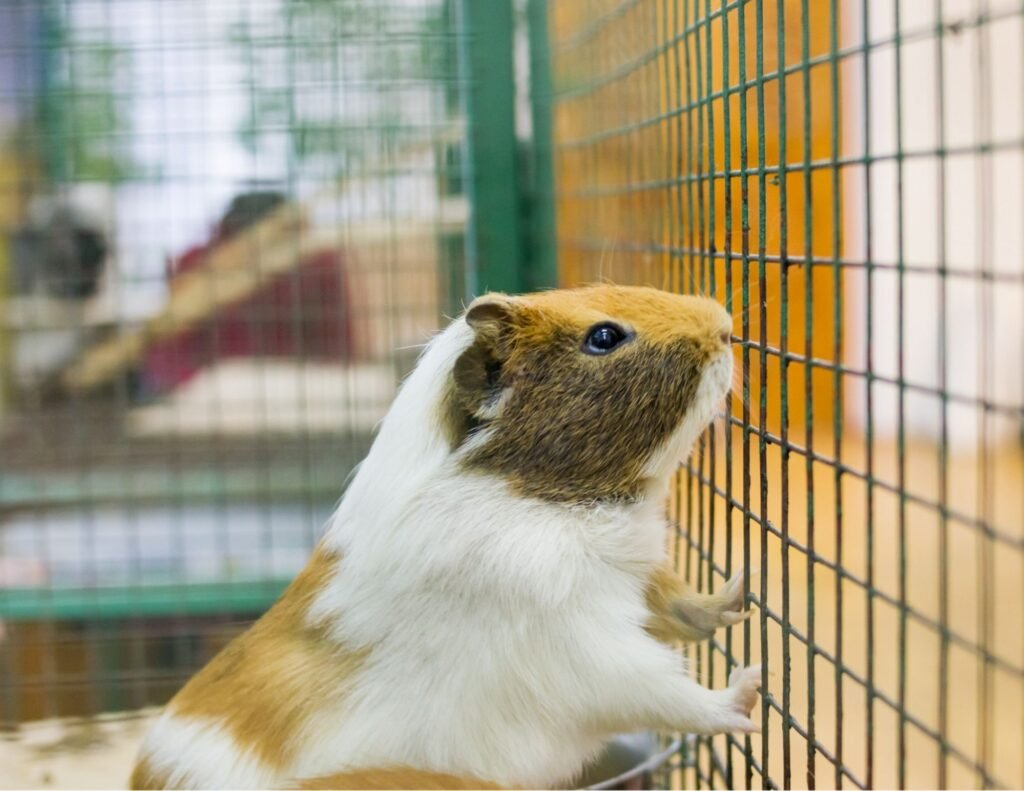
For larger rodents like guinea pigs or chinchillas, it’s especially important to support their rear end. This prevents them from kicking, which could lead to spinal injuries. Once your pet feels secure, focus on making them comfortable.
Monitoring for Stress Signals
Pay attention to signs of stress, like wriggling or freezing. If your rodent freezes entirely, it’s often a fear response, especially if they’ve been picked up incorrectly.
"When small animals struggle, often our instinct is to hold them tighter. However, squeezing hurts and can make them struggle even harder." – Meghann Cant, BC SPCA Manager of Companion Animal Welfare Science & Policy
If your pet begins to struggle, bring them closer to the floor or sit down to reduce the risk of injury. Avoid squeezing them; instead, adjust your grip to provide better support. Be aware of species-specific stress responses: chinchillas, for example, may experience fur slip if handled roughly, while degus can suffer painful tail sloughing if grabbed by the tail. A calm and relaxed pet makes handling more enjoyable and safe for both of you.
Interacting During Handling
Allow your rodent to explore your hands while keeping them close to your body. Sitting on the floor or a chair can help them feel more secure and in control. Offering a small treat during or after handling can help create a positive experience. Keep initial handling sessions brief – just a few minutes – and respect your pet’s boundaries by letting them decide when they’ve had enough. Avoid holding your rodent upside down on their back, as this position makes them feel vulnerable and increases stress. Gentle interactions like these build trust and contribute to a happier, more relaxed pet.
sbb-itb-e212914
Releasing and Post-Handling Care
Wrapping up the handling process with a gentle release and proper aftercare is key to keeping your rodent healthy and maintaining their trust in you.
Safe Releasing Techniques
When returning your rodent to its enclosure, make sure to lower them directly onto the floor of their habitat. This reduces the chance of injuries from accidental falls or sudden jumps. Always approach from the side or underneath your pet – overhead movements can feel threatening to them.
"Don’t lift the animal high from the ground unless necessary. Accidents can and do happen, and falls from high places may cause serious, painful injuries." – Kellie Hayden, Oxbow Animal Health
If you’re new to handling rodents, stick to the "one-inch rule": release them just an inch above the surface for added safety in case they move suddenly. Once they’re safely back in their enclosure, offering a small treat can reinforce a positive connection with handling. Be sure to secure all cage latches right after releasing your pet.
Afterward, take a moment to clean up to maintain hygiene and reduce the risk of spreading germs.
Cleaning and Hygiene After Handling
Wash your hands immediately with soap and warm water after handling your rodent.
"Wash your hands after handling small mammals, their food, or their supplies." – CDC
If you used gloves, wash them with soap and water before taking them off, then clean your bare hands thoroughly. When it comes to cleaning your rodent’s supplies, avoid using the kitchen sink. Instead, use a laundry sink or bathtub, and disinfect the area afterward. Tools and surfaces should also be disinfected as described earlier. If children have been handling the rodent, supervise their handwashing to ensure it’s done correctly. Proper hygiene is essential for everyone’s safety.
Conclusion
Safely handling your pet rodent boils down to three key steps: being prepared, using a gentle approach, and maintaining consistent care afterward. Start by washing your hands and setting up a calm, quiet environment. When it’s time to pick up your rodent, use both hands – one to support their chest or belly and the other to steady their hindquarters. Keep your pet close to the ground to reduce the risk of injury.
During handling, watch for signs of stress. If your rodent freezes, squirms, or tries to escape, it’s a clear signal to wrap up the session.
"The care and monitoring of any pet is ultimately the parent’s responsibility."
After placing your pet back in its enclosure, wash your hands thoroughly with soap and warm water. This step is essential for protecting yourself from potential zoonotic diseases like Salmonella or Rat-bite fever. It’s also a good time to check your pet’s health, noting any changes in behavior or appearance.
Building trust with your rodent, especially with shy species like chinchillas or hamsters, requires patience. Short, positive interactions paired with a small treat help establish trust over time. By following these steps, you’ll create a safe and comforting experience for your pet while strengthening the bond between you.
FAQs
How can I safely pick up and handle my pet rodent?
To safely pick up and handle your pet rodent, the first step is building trust. Allow your pet to get comfortable with your hands by offering gentle touches and using positive reinforcement. This helps create a sense of safety and comfort. Once your rodent feels at ease with your presence, use a two-handed cupped hold: place one hand under its body and the other under its hindquarters. This method fully supports its body, reducing the risk of stress or injury.
For larger rodents like rats, try a slightly different approach. Gently slide one hand behind their front legs to secure their shoulders while using the other hand to support their bottom. Holding them close to your chest can help them feel more secure and prevent them from wriggling out of your hands. Always handle them at a low height to avoid potential falls, and never lift a rodent by its tail, as this can cause harm.
Here are some key tips to keep in mind:
- Allow your rodent to get used to your hands before attempting to pick it up.
- Use a gentle but secure grip to fully support its body.
- Keep handling sessions calm and at a safe height to prevent accidents.
- Supervise interactions with children to ensure your pet remains stress-free.
With patience and gentle care, handling your rodent can become a safe and enjoyable experience for both of you!
How can I tell if my rodent is feeling stressed while being handled?
Pay attention to your rodent’s body language when handling it. Stress can show up in behaviors like jumping, running, or trying to escape, and in some cases, biting if the animal feels cornered or frightened. If your pet pulls away, hides its head, or avoids your hand, it’s a sign that it may need more time to get comfortable with being handled.
To help reduce stress, start by letting your rodent sniff and explore your hand before attempting to pick it up. When you do, hold it gently but securely, making sure to support its body and keep it close to you. This can help it feel more at ease. Consistent, calm, and predictable handling will build trust over time. Keep an eye on its reactions and adjust how you handle it to ensure the experience remains positive for both you and your pet.
Why should I wash my hands before and after handling my pet rodent?
Washing your hands both before and after handling your pet rodent is a small but crucial step for maintaining your health and your pet’s safety. Rodents can carry germs and bacteria like Salmonella, hantavirus, and rat-bite fever, which may be found in their urine, feces, or saliva. Proper hand hygiene helps minimize the risk of spreading these to you or your household.
On the flip side, washing your hands beforehand protects your pet from any harmful bacteria or chemicals you might have on your skin, such as cleaning products or lotions. This simple practice ensures a healthier environment for both you and your furry companion.