
Want a pet but worried about allergies? Good news: there are options. Allergies are often triggered by proteins in dander, saliva, or urine – not fur itself. Choosing the right pet means understanding your triggers and picking one that fits your lifestyle and health needs. Small mammals, reptiles, fish, and even certain birds can be great choices if managed carefully. Here’s what to consider:
- Low-allergen pets: Fish are nearly allergen-free; reptiles shed skin in large pieces, not microscopic flakes.
- Small mammals: Guinea pigs, hamsters, or rabbits produce less dander but need proper cleaning.
- Birds: Smaller species like finches or canaries release less feather dust than larger birds.
- Key factors: Regular grooming, clean habitats, and HEPA air filters can reduce allergens.
For severe allergies, allergy testing and consulting a doctor can help ensure a safe and enjoyable pet experience.
What Does Hypoallergenic Mean For Pet Allergies? – Allergy Relief Guide
Pet Allergies and Allergen Sources Explained
Choosing the right small pet involves understanding what triggers allergies. Surprisingly, pet allergies aren’t caused by fur itself. Instead, they stem from tiny proteins that animals release into their surroundings. Let’s break down where these allergens come from and how a pet’s size and species can affect allergen levels.
What Causes Pet Allergies?
The main culprits behind pet allergies are proteins found in dander, saliva, and urine. Here’s how each plays a role:
- Dander: These are microscopic flakes of dead skin that animals shed. They’re lightweight and easily become airborne, which can be a major issue for people with sensitivities.
- Saliva: When pets groom themselves, they leave saliva on their fur. Once it dries, the proteins can mix with loose fur and dander, making them airborne. This means even hairless pets can trigger allergies.
- Urine: Dried urine can also release proteins into the air, especially when bedding or litter is disturbed. This is particularly relevant for small mammals that might have occasional accidents.
Allergic reactions can range from mild symptoms like sneezing to more severe respiratory problems, depending on the concentration of allergens, the duration of exposure, and an individual’s sensitivity. What makes these allergens tricky is their persistence – they can linger on clothes, furniture, and other surfaces long after the pet has left the area.
Why Size and Species Matter for Low-Allergen Pets
The size and species of a pet significantly influence how much allergen they produce. Here’s why:
- Smaller Animals, Fewer Allergens: Generally, smaller pets produce fewer allergens because they have less skin and saliva. For example, guinea pigs, hamsters, rabbits, and ferrets all produce dander and protein allergens, but their small size means they release fewer allergens compared to larger animals.
- Reptiles and Amphibians: Unlike mammals, reptiles and amphibians – such as snakes, lizards, turtles, and frogs – don’t produce the same protein allergens. However, they may still expose owners to allergens from bedding or their natural skin oils.
- Fish: Fish are an excellent option for those seeking a nearly allergen-free pet. Their allergens remain contained within their water environment, minimizing airborne exposure.
- Birds: Birds don’t produce mammalian dander, but they can release feather dust and proteins through their droppings. Smaller birds typically produce fewer allergens than larger ones, but the fine particles they release can still affect highly sensitive individuals.
The way allergens spread also depends on the pet’s behavior. Pets that roam freely, like cats or dogs, tend to distribute allergens throughout the home. On the other hand, animals kept in contained habitats – such as fish tanks or reptile enclosures – limit the spread of allergens to their immediate surroundings. Understanding these dynamics can help allergy sufferers choose a pet that fits their needs, a topic we’ll delve into next.
Key Factors to Consider When Choosing an Allergy-Friendly Pet
When selecting a pet that fits your lifestyle and allergies, it’s about more than just allergen levels. You’ll need to think about maintenance, living arrangements, and how well you can manage the pet’s environment. Let’s break down some of the most important considerations, like dander, grooming, and habitat care.
Dander and Shedding Levels
Dander plays a big role in allergy management, and its levels can vary greatly depending on the type of pet. Small mammals, for instance, produce dander that can easily become airborne during handling or when cleaning their habitat.
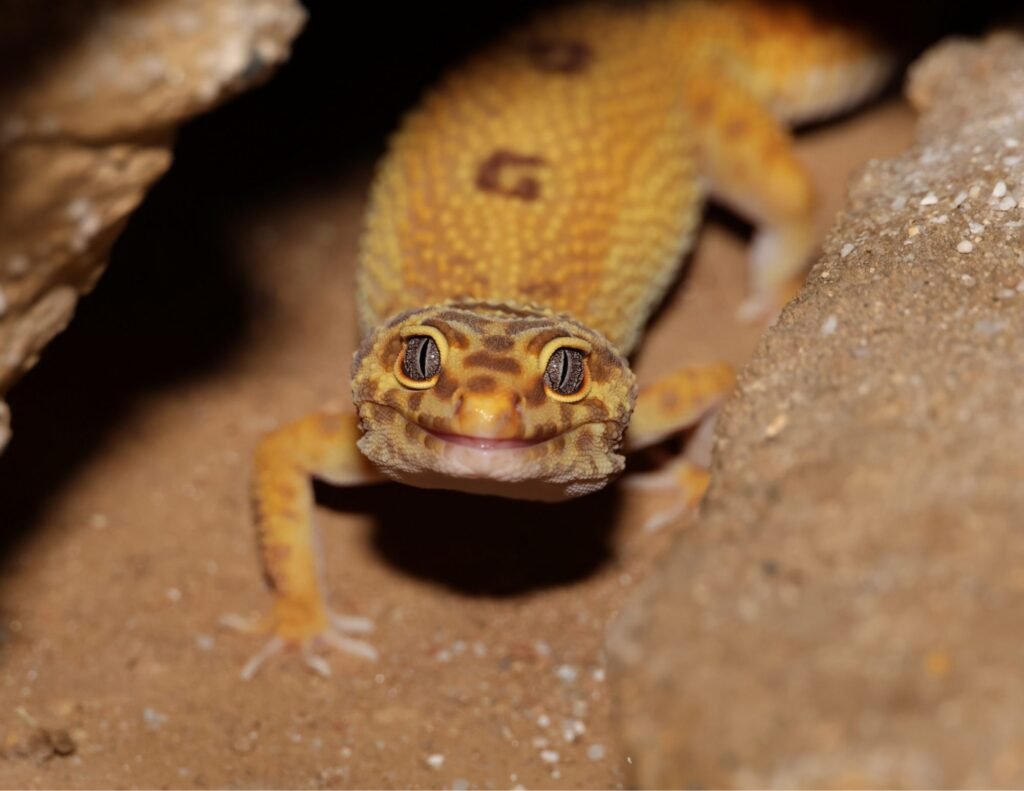
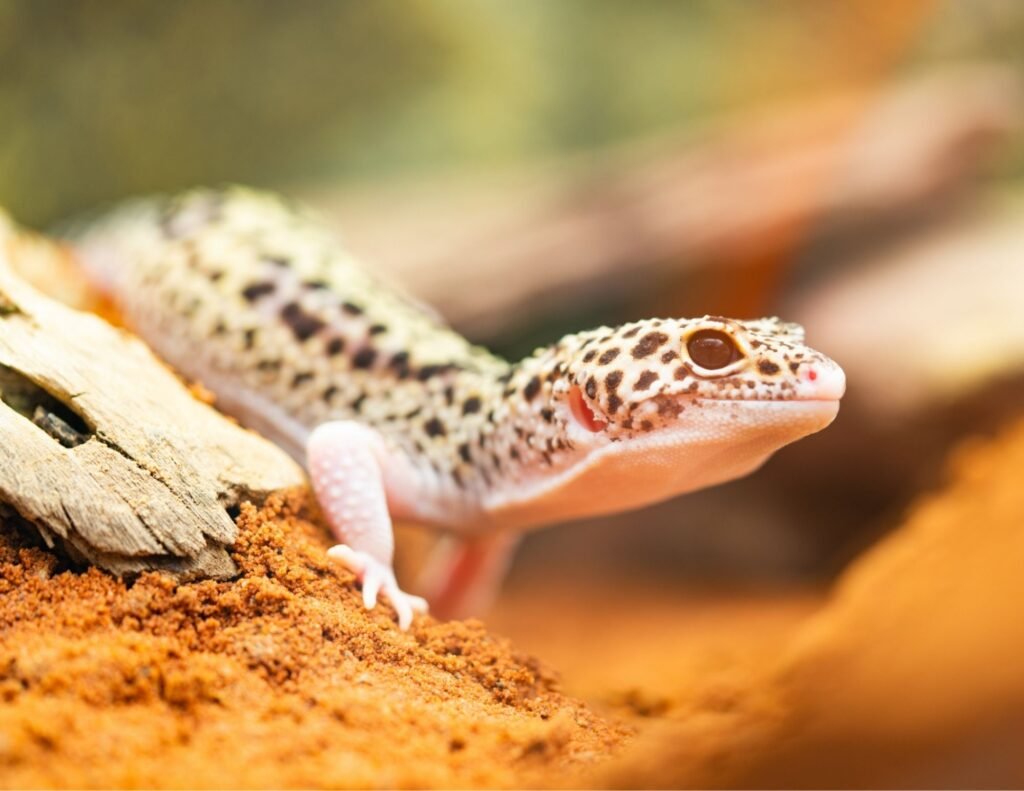
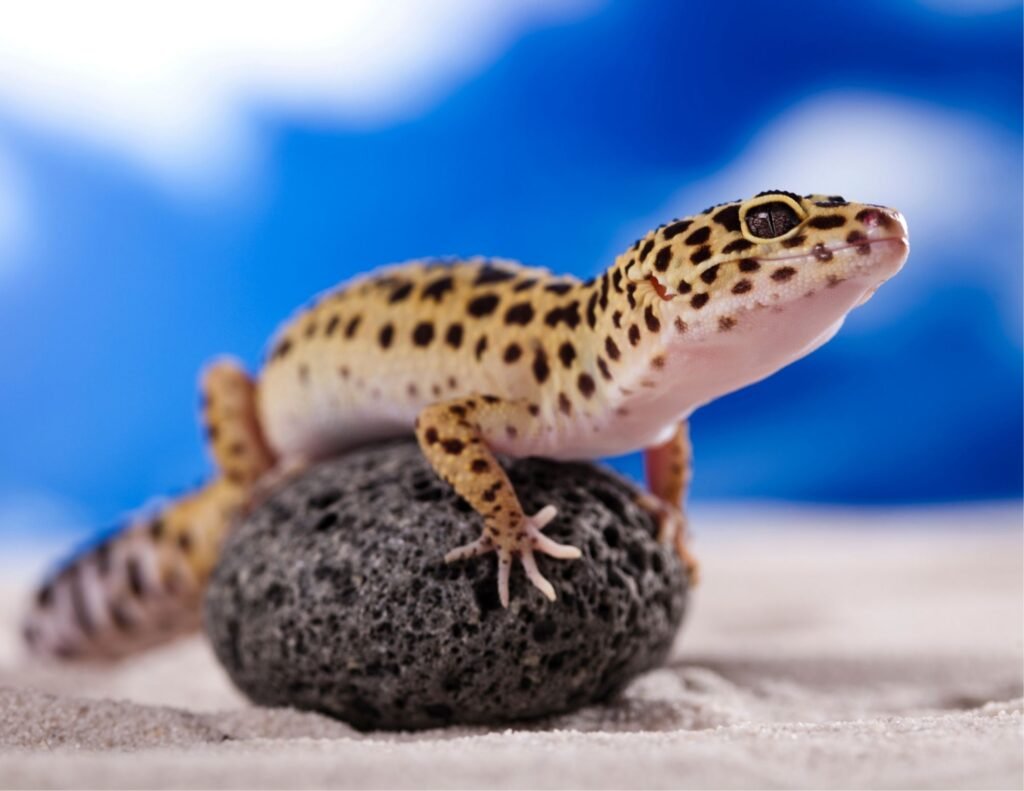
Reptiles, on the other hand, are a better option for those with allergies. They shed their skin in larger, visible pieces rather than microscopic flakes, making cleanup much easier. Popular choices like bearded dragons, leopard geckos, and corn snakes have predictable shedding cycles, simplifying maintenance.
Fish are an even safer bet for allergy sufferers. They’re practically allergen-free, but it’s wise to use pellet food instead of freeze-dried varieties, which can sometimes trigger allergies.
Birds, while appealing, release feather dust that can irritate sensitive individuals. Opt for smaller species like finches or canaries, as they produce less dust compared to larger birds.
Grooming and Maintenance Requirements
How much grooming a pet needs can directly affect allergen levels in your home. Finding a balance between keeping allergens under control and managing a reasonable grooming routine is key.
For small mammals, regular grooming helps reduce dander and loose fur. However, this can also increase your exposure to allergens. Long-haired guinea pigs, for instance, require more frequent grooming than short-haired breeds, while hamsters mostly groom themselves and rarely need assistance.
Reptiles are a low-maintenance option in this regard. They don’t need regular grooming – just occasional baths and habitat cleaning. When they shed, you can easily remove the old skin without much hassle.
Fish require no grooming at all, though maintaining the tank is essential. A good filtration system can minimize the need for frequent water changes, and automatic feeders reduce your exposure to fish food particles.
The grooming environment also matters. Grooming pets outdoors or in well-ventilated spaces can limit allergens circulating indoors. Using a damp cloth instead of dry brushing is another effective way to trap loose particles.
Habitat Containment and Cleaning
Keeping your pet’s environment clean and contained is one of the most effective ways to manage allergens. A well-maintained habitat not only simplifies cleaning but also limits the spread of allergens throughout your home.
Aquariums are excellent in this regard. Most allergens stay contained within the water, and a quality filtration system does much of the work for you. Regular maintenance involves weekly partial water changes and monthly filter cleanings.
Reptile enclosures offer similar benefits. A properly sealed glass terrarium with a secure lid keeps particles from escaping. Spot cleaning the enclosure regularly and performing a deep clean about once a month helps keep allergens at bay.
Small mammals, while requiring more frequent cleaning, still benefit from contained habitats. Cages with solid bottoms (instead of wire floors) reduce the spread of bedding and waste particles. Placing a HEPA air purifier near the cage can help capture airborne particles before they spread.
Routine cleaning is essential for all pets. Daily spot-cleaning prevents the buildup of dried waste and saliva, which are common sources of allergens. Using unscented, hypoallergenic bedding can reduce irritants, and damp cleaning methods (like wiping with a wet cloth) are more effective than dry sweeping or vacuuming.
Finally, think carefully about where you place pet enclosures. Avoid putting them near air vents, which can circulate allergens through your home. For cleaner air in your living spaces, it’s best to keep pet habitats out of bedrooms.
Best Allergy-Friendly Pets to Consider
If you have severe allergies, fish might just be the perfect pet. They are completely allergen-free since they don’t produce fur, dander, or the proteins commonly found in the saliva or urine of mammals. Plus, their aquatic environment naturally contains any potential allergens, making them an ideal choice for allergy sufferers.
Fish: The Allergen-Free Pet Option
To get started with fish, you’ll need to set up an aquarium that creates a healthy environment for them. Start by conditioning tap water to remove chlorine and ensure the pH levels are suitable for the species you choose. Since tap water often contains chlorine, this step is essential before adding it to the tank. To keep the water temperature stable, use a heater that matches the needs of your fish species.
Maintaining the tank is straightforward. Replace about 25% of the water each month to keep the environment clean and ensure nitrate levels stay safe. During water changes, vacuum the gravel to remove debris, and use a high-quality filtration system to reduce the need for frequent cleaning.
To prevent mold, make sure the area around the tank is well-ventilated. Regularly clean the exterior of the tank and promptly wipe up any spills to keep everything tidy. Beyond being allergen-free, fish tanks bring a calming aesthetic to your space. They’re low-maintenance, visually appealing, and take up far less room than traditional furry pets.
sbb-itb-e212914
Tips for Managing Allergies with Pets
Keeping allergies in check when you have pets involves more than just choosing the right pet – it’s about maintaining a clean and allergen-controlled environment. Even with pets known to be easier on allergies, taking proactive steps like regular cleaning, air filtration, and proper grooming can help manage symptoms effectively.
Regular Cleaning and Hygiene
Maintaining a clean home is key to reducing allergens. Focus on areas where allergens tend to build up and adopt consistent cleaning habits:
- Clean pet habitats weekly to prevent the accumulation of allergens like dander, dried urine, and saliva. For small mammals such as guinea pigs or hamsters, replace their bedding entirely and wipe down cage surfaces with a damp cloth.
- Wash your hands thoroughly after handling your pet or cleaning their living area to avoid transferring allergens.
- Vacuum areas frequented by your pet at least twice a week. Use a vacuum with a high-efficiency filter and replace the vacuum bag regularly to trap allergens more effectively.
- Dust using microfiber cloths, which are better at capturing particles compared to standard rags. Wash these cloths in hot water to remove allergens completely.
Using HEPA Filters and Allergy-Friendly Products
Air quality plays a big role in managing pet allergies, and HEPA filters can be a game-changer. These filters are designed to capture 99.95% of particles as small as 0.1 microns, including pet allergens like microscopic proteins that trigger reactions.
Studies show that HEPA air cleaners can reduce airborne pet allergens by up to 90% when pets are kept out of the room, and by 75% even when pets are present. To maximize their effectiveness:
- Place HEPA air purifiers in key areas, such as bedrooms and living rooms. Opt for models with both HEPA and activated carbon filters – the carbon helps remove pet odors while the HEPA filter captures allergens.
- Follow the manufacturer’s recommendations for replacing filters, typically every 6–12 months, depending on usage and air quality.
- If you’re using an air purifier in a bedroom, consider one with adjustable fan speeds or noise-reduction features for a quieter experience.
Pairing air filtration with regular grooming can significantly reduce allergen levels indoors.
Grooming Best Practices
Grooming your pet is another effective way to keep allergens under control. Here’s how to do it right:
- Brush your pet in a well-ventilated area or outdoors to keep dander from circulating inside. For example, guinea pigs benefit from weekly brushing, while short-haired hamsters may need less frequent grooming.
- Avoid over-bathing your pet, as this can dry out their skin and lead to more dander. Most small mammals are excellent self-groomers and only need baths if they become especially dirty.
- If possible, assign grooming duties to a family member who doesn’t have allergies. If you need to handle grooming yourself, wear a mask and wash your clothes immediately afterward.
- Keep grooming tools clean by washing brushes and combs in hot, soapy water after each use. Store them in a closed container to prevent allergens from spreading.
- Trim your pet’s nails regularly to reduce scratching, which can spread saliva proteins and exacerbate allergen exposure. This is particularly important for pets like guinea pigs and rabbits, whose nails grow continuously.
When to Consult a Medical Professional
Getting professional allergy testing before adopting a pet can save you from future complications and help you find the right furry friend for your household.
Talk to your doctor or allergist about allergy testing, such as skin prick or blood tests, before bringing a pet into your home. These tests will reveal your sensitivity to allergens and guide you in selecting a pet that suits your needs. A positive result doesn’t mean you have to give up on owning a pet – it simply provides the information you need to make an informed decision and manage potential reactions.
Watch for warning signs that signal the need for medical advice. Symptoms like persistent nasal congestion, frequent sneezing, chronic coughing, skin rashes, hives, or itchy eyes should prompt you to seek professional evaluation before adopting. These early indicators can help set the stage for further testing and management.
Before making your final decision, consider trying informal exposure testing. Spend extended time around animals similar to the one you’re considering adopting. For example, you could borrow a friend’s pet for a weekend or volunteer at a local animal shelter. This hands-on exposure can reveal how your body reacts to prolonged contact with specific animals, offering insights that clinical tests might not fully capture.
If your allergy test results show sensitivity, your doctor can recommend treatment options to help you manage allergens. Immunotherapy, commonly known as allergy shots, gradually exposes your immune system to allergens over time, potentially reducing your reaction. Other treatments, such as antihistamines or nasal corticosteroids, can also help control symptoms effectively. These strategies can make it easier to enjoy the companionship of a pet while keeping allergies in check.
In cases of severe reactions – such as difficulty breathing, chest tightness, or widespread hives – seek emergency care immediately. Additionally, if your allergy symptoms are interfering with your sleep, work, or daily life despite current management efforts, consult an allergist for a more tailored treatment plan.
While no pet is completely "hypoallergenic", some breeds like Poodles, Bichon Frises, and Schnauzers are often recommended for allergy sufferers due to their coats, which shed less hair and dander. Your doctor can help you decide if one of these breeds might be a good fit based on your specific sensitivities.
Conclusion: Finding Your Perfect Allergy-Friendly Pet
Choosing a pet that won’t aggravate your allergies can bring happiness without putting your health at risk. The secret lies in understanding your specific triggers and making choices that align with your sensitivities, rather than relying on broad claims about "hypoallergenic" animals.
To succeed, pinpoint what sets off your allergies – whether it’s dander, saliva proteins, urine, or even environmental factors like bedding. Then, adopt practical habits to reduce exposure, such as regular grooming, using HEPA air filters, and arranging your pet’s living space thoughtfully. For instance, fish and reptiles are naturally less likely to cause airborne allergies, while small mammals can be manageable with diligent cleaning and proper enclosures. Seeking expert advice can also help you fine-tune your approach.
Allergy testing is another critical step. It can help you avoid unforeseen issues and guide you toward the best pet for your situation. A healthcare professional can explain your sensitivity levels and suggest treatments like immunotherapy or daily antihistamines to make living with a pet more comfortable.
Before committing, spend time interacting with the type of pet you’re considering. Whether through friends, family, or volunteering, this hands-on experience can give you insights that lab tests alone can’t provide. This way, you can feel confident that your chosen pet will fit both your lifestyle and your health needs.
FAQs
What are the best pets for people with severe allergies?
If you struggle with severe allergies, certain pets might be a better fit for you. Consider fish, reptiles like crested geckos or ball pythons, or small mammals such as Syrian hamsters or guinea pigs. These animals generally produce fewer allergens and shed less dander compared to more common pets like cats or dogs.
Fish are an excellent choice for allergy sufferers because they don’t produce fur or dander at all, making them completely allergy-friendly. Reptiles, while not entirely free of dander, can also work well – especially if their habitat is kept clean. For small mammals, regular grooming and frequent cleaning of their enclosures can go a long way in minimizing allergens.
That said, everyone’s allergies are unique. It’s a smart idea to spend time around a specific type of pet before making a commitment to ensure it’s the right match for you.
How can I manage pet allergens in my home?
To cut down on allergens in your home, start by designating certain areas, like bedrooms, as pet-free zones. Regular cleaning is key – vacuum carpets, furniture, and other surfaces often, ideally with a vacuum that has a HEPA filter. Weekly baths for your pet and using HEPA air purifiers can also help reduce allergens floating in the air.
Make it a habit to wash your hands frequently, especially after touching your pet, and clean any fabrics or clothing that come into contact with them. Regular grooming is another effective way to manage shedding and minimize dander buildup. These simple actions can help create a more comfortable space for allergy sufferers while ensuring your pet stays happy and well-cared for.
What should I do before adopting a pet to avoid allergy issues?
Before bringing a pet into your home, it’s a good idea to spend some time with the animal or the specific breed to see if it triggers any allergic reactions. Breeds like poodles or sphynx cats are often mentioned as being more suitable for allergy sufferers, but individual reactions can vary.
To reduce the chances of allergies becoming an issue, you can take several precautions. For example, keep pets out of bedrooms, use HEPA air purifiers to filter allergens from the air, and groom your pet outdoors to limit dander indoors. It’s also worth consulting an allergist to explore testing or treatment options, such as allergy shots, to help manage potential reactions. These steps can make the transition to pet ownership much smoother while keeping allergy concerns under control.