Small exotic pets like rabbits, guinea pigs, and hamsters need low-sugar treats to stay healthy. High-sugar snacks can lead to obesity, dental problems, and digestive issues, including life-threatening conditions like gastrointestinal stasis. Low-sugar options, such as vegetables, hay-based treats, and dental chews, promote better digestion, maintain healthy teeth, and prevent weight gain. Here’s what you need to know:
- Health Risks of Sugar: Excess sugar disrupts gut bacteria, causes dental decay, and leads to fat buildup in organs.
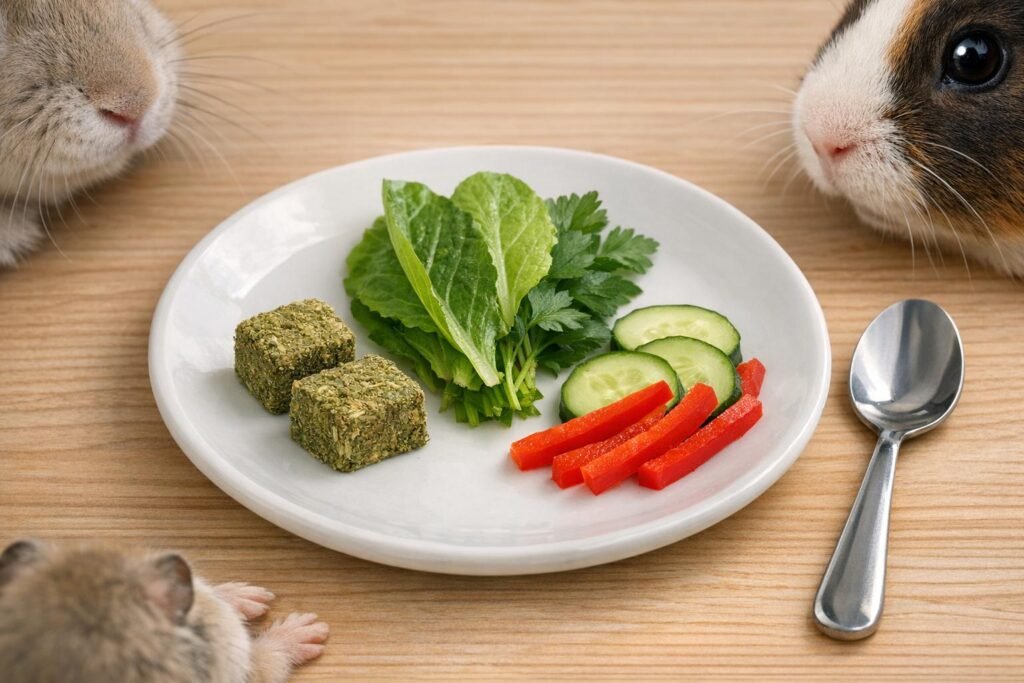
- Best Low-Sugar Treats: Opt for fresh vegetables (e.g., cucumber, bell peppers), forage-based treats (e.g., Timothy hay cubes), and dental chews that encourage natural tooth wear.
- Safe Feeding Practices: Treats should be no more than 5-10% of daily calories. Introduce new treats gradually and monitor for digestive changes.
- What to Avoid: Skip sugary snacks, processed foods, and harmful ingredients like chocolate, onions, or xylitol.
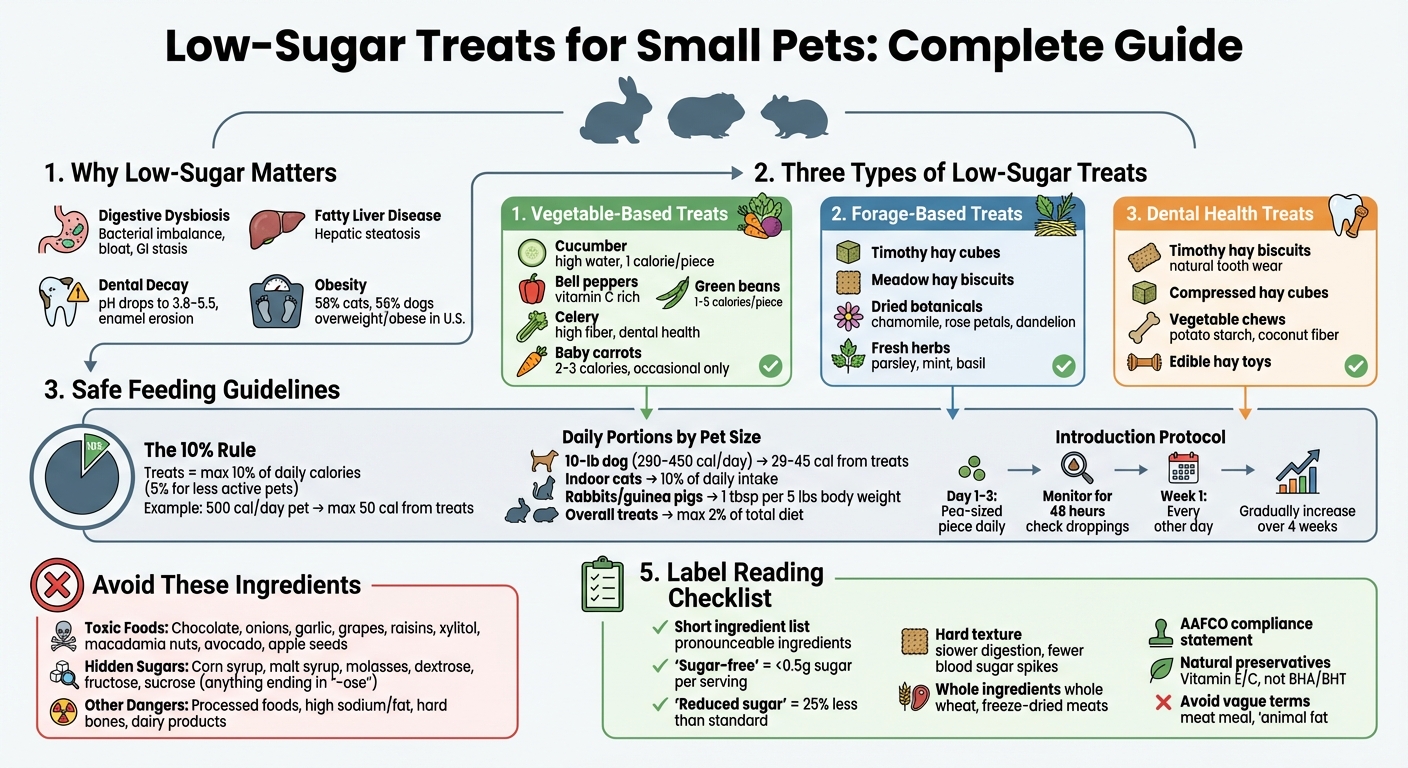
Low-Sugar Treats Guide for Small Pets: Types, Benefits, and Feeding Guidelines
Why Small Pets Need Low-Sugar Treats
This section dives into the specific health risks of high-sugar diets for small pets, building on earlier discussions about obesity and metabolic concerns.
Health Problems from High-Sugar Diets
Too much sugar can seriously harm small pets. One of the most alarming risks is digestive dysbiosis. When animals like rabbits, guinea pigs, and chinchillas eat sugary foods, the excess sugar often reaches their hindgut. Here, bacteria ferment it rapidly, leading to painful gas buildup and, in severe cases, life-threatening digestive issues. Lisa Karr-Lilienthal, Ph.D., from the University of Nebraska-Lincoln, explains:
Sudden influx of these nutrients [sugar and starch] can cause an imbalance in the types of bacteria found in the gastrointestinal tract. This can lead to bacterial overgrowth, gastrointestinal stasis, and bloat.
Dental problems are another major concern. Sugar in the mouth converts into organic acids, lowering the pH to a range of 3.8 to 5.5. This acidic environment erodes tooth enamel and inflames gums – especially problematic for pets with continuously growing teeth.
Excess sugar doesn’t just stop at the teeth or gut – it also converts to fat, which can accumulate in critical areas like the liver (hepatic steatosis) or arteries (atherosclerosis). According to Susan Smith, PhD, a nutritionist at Rabbit.org, fatty liver disease is a frequent and often fatal condition in rabbits fed sugary, seed-heavy diets. To put this in perspective, the National Research Council advises that no more than 1.5% of a rabbit’s calories should come from fat, yet many commercial treats contain 4–5% or more.
Certain species, like chinchillas and degus, are even more vulnerable. These animals evolved in environments with limited food resources, making them extremely sensitive to sugar. Even small amounts of sugary fruit can cause severe digestive upset or lead to diabetes.
With these risks in mind, it’s clear why low-sugar treats are a safer choice for your pet.
What Low-Sugar Treats Do for Your Pet
Low-sugar treats stand in stark contrast to the risks posed by sugary snacks. They actively promote a balanced digestive system and better overall health. Unlike high-sugar options, these treats help maintain healthy gut bacteria, ensuring the digestive system functions smoothly and reducing the risk of dangerous conditions like bloat.
Weight management becomes easier, too. Treats should make up no more than 2% of your pet’s daily diet, so choosing low-sugar options ensures that every bite offers nutritional value without unnecessary calories. For example, rabbits and guinea pigs should have no more than 1 tablespoon of treats per 5 pounds of body weight each day.
Dental health also gets a boost. Fibrous treats, like those made from Timothy hay or crunchy vegetables, provide the natural abrasiveness needed to wear down continuously growing teeth. Unlike sugary snacks, these options avoid causing acid damage in the mouth.
Additionally, low-sugar treats help prevent blood sugar spikes. By incorporating soluble fiber, they support steady glucose levels, which can lower the risk of diabetes and reduce fat buildup in organs. The result? Better mobility, less joint pain, and a longer, healthier life for your small pet.
sbb-itb-e212914
Types of Low-Sugar Treats for Small Pets
Choosing low-sugar treats for small pets involves understanding the benefits of different options. The best treats not only provide nutrition but also support natural behaviors and keep your pet engaged – all while avoiding the risks associated with added sugars.
Vegetable-Based Treats
Fresh vegetables are a fantastic way to deliver nutrients in their natural form. Cucumber is an excellent choice due to its high water content and very low calorie count, making it ideal for hydration. Bell peppers, rich in vitamin C, are especially important for guinea pigs, which cannot produce this vitamin on their own. Just be sure to remove the seeds before offering them. Celery, with its high fiber content and satisfying crunch, supports dental health and can serve as a healthier alternative to traditional chews.
Other great options include zucchini and green beans, which are lower in calories compared to starchy root vegetables. While carrots are packed with vitamins and are great for chewing, they contain more natural sugar and should only be given occasionally. The fiber in vegetables helps pets feel full, aiding in weight management without the need for sugary treats. Always wash vegetables thoroughly to remove pesticides, and introduce new items gradually – start with a small slice or teaspoon to monitor for any digestive changes. If your pet seems hesitant to eat raw vegetables, lightly steaming them can make them easier to digest.
For pets that enjoy foraging, forage-based treats offer a natural and engaging way to support their health.
Forage-Based Treats
Forage-based treats focus on your pet’s natural instincts while providing essential fiber. Timothy hay cubes and meadow hay biscuits are staples for herbivores, promoting digestive health and dental wear. As Oxbow Animal Health explains:
Fiber is the cornerstone of a healthy digestive system for herbivorous small mammals… These animals are natural foragers that depend on high-fiber diets like grasses and hay to keep their guts moving and their teeth trimmed.
Dried botanicals such as chamomile, rose petals, and dandelion add variety without introducing added sugars. Fresh herbs like parsley, mint, and basil not only provide vitamins but also help with hydration. Scatter feeding hay cubes or biscuits can engage your pet’s natural foraging instincts, encouraging physical activity and mental stimulation. Mixing different hay types – like Timothy, orchard, and oat hay – offers varied textures and seed heads for your pet to explore. For a fun DIY option, stuff cardboard tubes with hay or use snuffle mats to encourage rooting behaviors.
While forage treats emphasize fiber and enrichment, dental health treats are specifically designed to address the unique needs of your pet’s teeth.
Dental Health Treats
Small pets with continuously growing teeth need treats that promote natural wear. Timothy hay biscuits and compressed hay cubes are excellent for this, as they provide the abrasion necessary to grind down teeth without introducing sugar. Look for treats with ridges or grooves, as these textures help scrape away plaque during chewing. Chewing also stimulates saliva production, which helps clean teeth naturally.
Other options include vegetable chews made from potato starch or coconut fiber, which clean teeth mechanically without sticky ingredients like honey or molasses that can encourage harmful bacteria. Edible hay toys, crafted entirely from Timothy hay, offer a long-lasting chewing option that also keeps pets active. When selecting dental treats, prioritize those where hay is the primary ingredient, and choose a size that encourages chewing without posing a choking risk. Keep in mind that dental treats are a supplement to your pet’s diet and should make up no more than 2% of their daily intake.
How to Feed Low-Sugar Treats Safely
Even the healthiest low-sugar treats can cause problems if not handled correctly. Here’s how to manage portions, introduce new treats, and avoid harmful options.
Portion Sizes and How Often to Give Treats
Stick to the 10% rule: treats should make up no more than 10% of your pet’s daily calorie intake. For smaller or less active pets, aim for just 5% to keep things balanced. Lindsay Tracy, Director of Product Development and New Business at Redbarn Pet Products, advises:
As a rule of thumb, cats and dogs should get no more than 10 percent of their daily calories from treats.
Let’s break it down: if your pet needs 500 calories a day, treats shouldn’t exceed 50 calories. Low-calorie vegetables, like cucumbers or green beans, are great because they only have 1 to 5 calories per piece, allowing for a larger serving compared to calorie-dense treats. Always cut larger treats into bite-sized pieces to prevent choking. If you’re using treats for training or enrichment, adjust their regular meals to avoid overfeeding.
For precision, use a kitchen scale to measure homemade or fresh treats. If your pet is on a homemade diet, a good rule of thumb is to feed them 2–3% of their body weight in food daily and adjust based on weight changes. Keep an eye on their body condition with the “rib test” – you should feel their ribs as gentle bumps under the skin, without them being too sharp or hidden under thick fat.
Once you’ve got portions under control, focus on introducing new treats safely.
Introducing New Treats to Your Pet
When trying new treats, start small to watch for any reactions. For larger pets, begin with a pea-sized piece; for smaller ones, try a pinhead-sized portion. Offer the treat daily for three days to help your pet warm up to it. Dr. Susan Orosz, an avian nutritionist, explains:
The key is patience and persistence. What looks like stubbornness is often just natural caution.
To encourage your pet’s interest, place the new treat next to one they already love. Observe them closely for at least 48 hours after the first introduction. Watch for changes in droppings, such as altered color, consistency, or frequency. If you notice loose droppings, stop offering the treat and ensure your pet stays hydrated. Contact your vet if they show signs of lethargy or a reduced appetite. Gradually increase how often you offer the treat over four weeks, starting with every other day in the first week. Always remove uneaten treats after 2–4 hours.
Treats to Avoid
Some foods and ingredients are unsafe for pets, even in small amounts. Steer clear of:
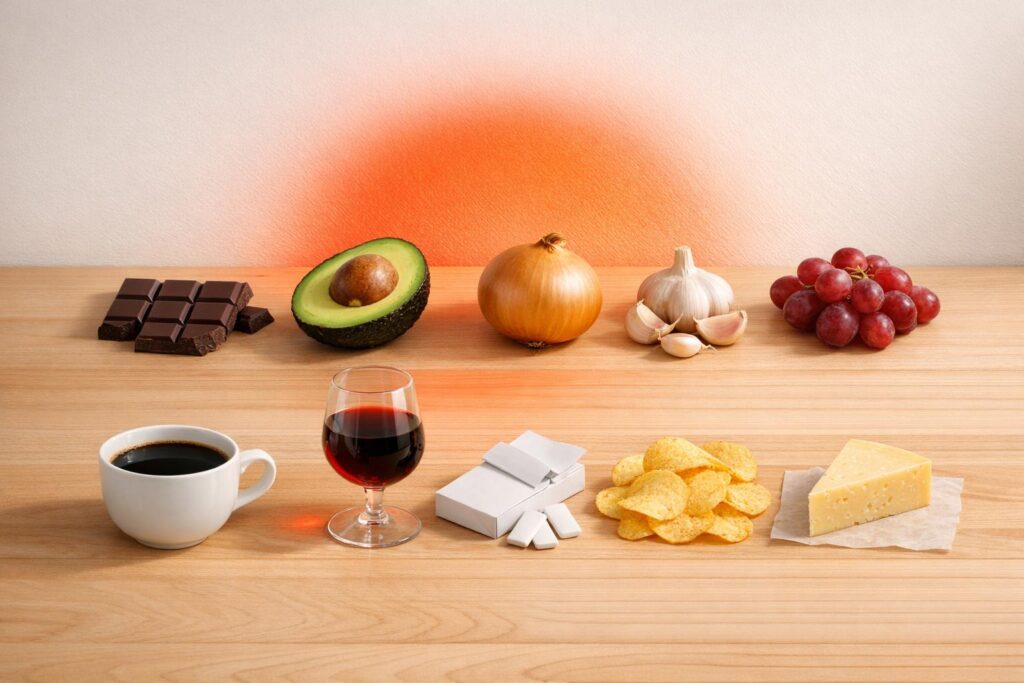
- Chocolate, onions, garlic, grapes, raisins, and macadamia nuts
- Caffeinated items, dairy products, and xylitol (also known as birch or wood sugar)
- Treats with added sugars like corn syrup, malt syrup, molasses, dextrose, or fructose
- Processed foods high in sodium or fat
- Hard chews like animal bones, hooves, or nylon bones
- Apple seeds, avocado, and citrus fruits
These items can harm your pet and should always be avoided.
How to Choose Quality Low-Sugar Treats
Picking the right low-sugar treats can feel overwhelming, but knowing what to look for can make all the difference. Here’s how to identify better options and steer clear of questionable ingredients.
Reading Labels and Ingredients
Start by checking the ingredient list. According to Lyka:
The shorter and simpler the ingredient list on treat labels, the better. If you spot an ingredient you can’t pronounce, there’s a good chance it doesn’t need to be there.
Keep an eye out for hidden sugars. Ingredients ending in "-ose" (like dextrose, fructose, or sucrose) and additives such as corn syrup, malt syrup, or high-fructose corn syrup are red flags. Labels marked "sugar-free" mean the product contains less than 0.5 g of sugar per serving, while "reduced sugar" indicates at least 25% less sugar compared to the standard version.
Texture matters, too. Hard treats like biscuits digest more slowly and help minimize blood sugar spikes compared to soft or semi-moist options. Look for treats made from whole ingredients, such as whole wheat or dehydrated/freeze-dried meats, rather than fillers like corn gluten or rice bran, which are high on the glycemic index.
Be cautious of marketing claims. For instance, when a label says "with chicken", it only means chicken makes up at least 3% of the product. Similarly, terms like "natural" or "organic" can be misleading, as they aren’t strictly regulated for sugar content or overall health benefits. Most treats aren’t "complete and balanced", but if they are, the packaging will include a nutritional adequacy statement.
Once you’re satisfied with the ingredient list, take a closer look at the brand’s reliability and manufacturing practices.
Finding Trusted Brands
A solid ingredient list is just one piece of the puzzle. The brand’s reputation and adherence to standards are equally important. Opt for brands that follow AAFCO Model Pet Food Regulations, which help ensure accurate labeling. Packaging should be intact and include the manufacturer’s name and address, so you know who is responsible for the product.
Choose treats that clearly specify ingredients, such as "chicken" or "chicken fat", rather than vague terms like "meat meal" or "animal fat." As Whole Dog Journal puts it:
If you can’t determine what species of animal a meat or fat came from, you should not feed it to your dog.
Look for treats preserved with natural options like Vitamin E or Vitamin C instead of synthetic chemicals such as BHA, BHT, or ethoxyquin. Avoid artificial colors and additives like propylene glycol, which serve no real nutritional purpose. Brands that voluntarily list calorie counts per treat can also help you manage your pet’s weight.
For added confidence, seek products endorsed by Board Certified Veterinary Nutritionists or labeled "human-grade." The latter means the ingredients have been tested for pathogens and meet standards for human consumption.
Conclusion and Key Takeaways
Choosing low-sugar treats for your pet goes beyond limiting sweets – it’s about protecting them from obesity, diabetes, dental problems, and digestive issues. With 58% of cats and 56% of dogs in the U.S. classified as overweight or obese, every treat you give plays a role in their overall health. Making thoughtful choices helps keep your pet healthy while still allowing you to reward them and strengthen your bond.
Consider the numbers: a 10-lb dog that requires 290–450 calories daily should only get 29–45 calories from treats. Similarly, indoor cats should keep treats to around 10% of their daily caloric intake. For frequent training sessions, break treats into smaller pieces to avoid overfeeding.
Always check ingredient labels. Skip anything with corn syrup, malt syrup, molasses, dextrose, or fructose. Hard treats are a better option since they digest more slowly, helping to avoid blood sugar spikes. Look for packaging with AAFCO statements to confirm nutritional standards, and consider whole food options like cucumber slices (around 1 calorie), baby carrots (2–3 calories), or broccoli florets (5–6 calories).
Don’t forget: rewards don’t always have to be edible. Playtime, praise, and spending quality time together often mean more to your pet than food. As WebMD‘s medical reviewer Poonam Sachdev explains:
A well-balanced pet food contains the nutrients your pet needs for good health, and should make up 90% of your pet’s daily calories.
When you do offer treats, make them count by choosing ones that support your pet’s well-being.
If your pet has diabetes, kidney disease, or other health concerns, consult your veterinarian or a board-certified veterinary nutritionist before making any dietary changes. Thoughtful treat choices today can help prevent serious health issues down the road.
FAQs
Which low-sugar treats are safest for my pet’s specific species?
The best low-sugar treats for pets depend on their species since their dietary needs can differ. For small dogs, options like carrots, green beans, and blueberries are healthy choices that are naturally low in sugar. For rodents or birds, treats such as seedless apples, blueberries, or certain vegetables work well. Always steer clear of added sugars or preservatives, and check with your veterinarian to ensure the treats align with your pet’s specific health and dietary requirements.
What are early signs a new treat is upsetting my pet’s digestion?
If your pet experiences vomiting, diarrhea, gas, appetite changes, or abdominal discomfort after trying a new treat, these could be early indications of digestive trouble. Symptoms often show up soon after consuming the treat. If you spot any of these issues, discontinue the treat immediately and keep a close eye on your pet’s condition.
How do I pick a truly low-sugar treat from the ingredient label?
To pick a treat with less sugar, start by examining the ingredient list. Look out for added sugars such as corn syrup, molasses, or dextrose, and steer clear of products containing them. Instead, choose options where meat or complex grains are listed as primary ingredients. Hard treats are often a better choice compared to soft ones, as they take longer to digest and are less likely to cause a quick spike in blood sugar. The goal is to cut back on added sugars, as naturally occurring sugars in ingredients like fruits or milk are not as much of a concern.