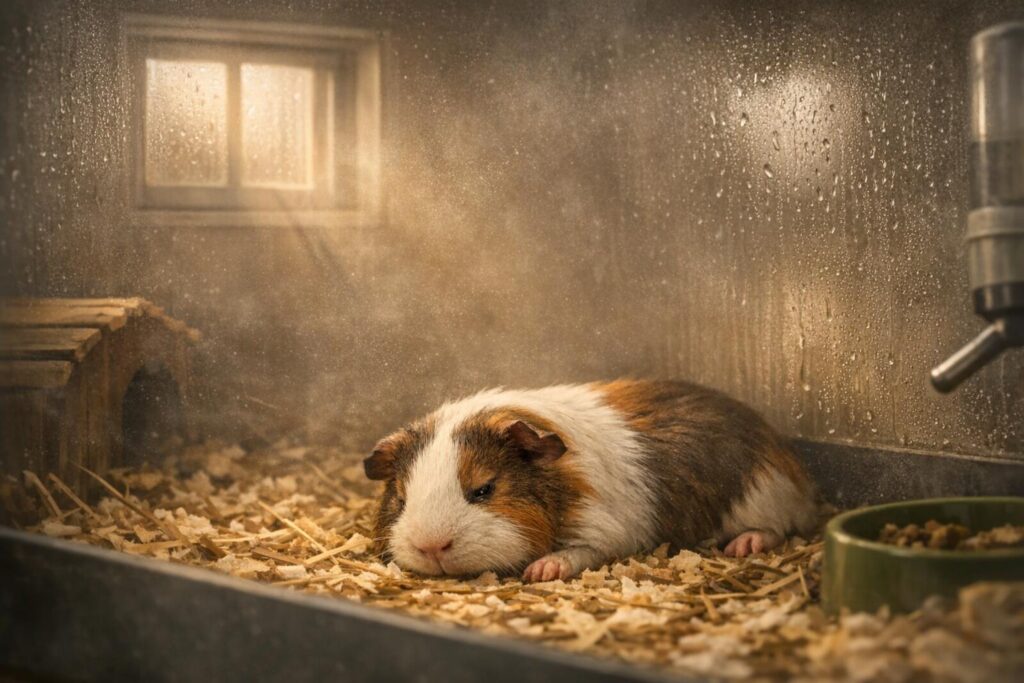
Poor ventilation in small pet enclosures can lead to serious health issues, including respiratory problems, skin infections, and heat stress. Small pets, like hamsters, rabbits, and chinchillas, are especially vulnerable due to their confined living spaces and sensitive respiratory systems. Without proper airflow, harmful gases like ammonia from waste build up, humidity rises, and dust accumulates, creating an unsafe environment.
Key takeaways:
- Respiratory risks: Ammonia buildup from waste irritates airways, causing sneezing, wheezing, and infections.
- Skin problems: High humidity and damp bedding lead to dermatitis and pododermatitis (bumblefoot).
- Temperature issues: Poor airflow traps heat, pushing enclosures beyond safe temperature ranges.
- Behavioral changes: Lethargy, reduced appetite, and difficulty breathing signal poor air quality.
- Prevention tips: Use wire cages, avoid wooden or plastic enclosures, maintain daily cleaning, and monitor temperature and humidity.
Health Risks of Poor Ventilation in Small Pets
Respiratory Problems
Ammonia buildup is a major cause of respiratory issues in small pets. When urine seeps into bedding or porous surfaces, it interacts with urease-producing bacteria from feces, creating ammonia gas. Without proper airflow, this gas accumulates to harmful levels.
Exposure to ammonia irritates the respiratory system, leading to symptoms like sneezing, wheezing, and labored breathing. Over time, prolonged exposure weakens the immune system, leaving small pets more vulnerable to infections such as Mycoplasmosis and Sendai virus. Additionally, dust and dander trapped in stagnant air exacerbate irritation, causing upper respiratory problems and even asthma-like symptoms.
"Wooden cages absorb urine, intensifying ammonia buildup and heightening respiratory risks." – Katherine E. Quesenberry, DVM, MPH, DABVP
Cedar and pine shavings can worsen the situation, as they release aromatic oils that irritate airways in poorly ventilated spaces. Stagnant air also allows carbon dioxide to accumulate, which can lower oxygen levels, leading to shortness of breath and fatigue.
Respiratory issues are just one concern – poor ventilation can also harm your pet’s skin and affect their ability to regulate temperature.
Skin, Coat, and Feather Problems
Poor airflow creates a damp environment where bacteria and fungi thrive. In such conditions, cage humidity can rise 20-30% above the room’s humidity level. This excess moisture prevents bedding from drying, leaving pets in constant contact with wet, soiled material.
The results are visible on your pet’s body. Damp bedding irritates the skin and damages fur or feathers, and bacterial growth can lead to dermatitis. Rabbits and guinea pigs are especially prone to pododermatitis (bumblefoot) when forced to sit on wet surfaces. The ammonia buildup that accompanies poor airflow doesn’t just harm breathing – it also stresses the immune system, making skin conditions more likely to occur and harder to recover from.
Heat Stress and Temperature Problems
Lack of ventilation can turn enclosures into heat traps. Without fresh air circulation, warm air gets trapped, causing the temperature inside the cage to rise 2.8°F to 3.3°F above the room temperature. High humidity only makes this worse by retaining heat more effectively.
Small pets are particularly at risk because they struggle to regulate their body temperature. Most small animals thrive in temperatures between 65°F and 80°F, but poor ventilation can quickly push enclosures beyond this range. In cases where forced-air systems fail, the situation can escalate dangerously fast – ammonia, carbon dioxide, humidity, and temperature levels can spike, potentially leading to fatalities within hours.
"If the power to the fans is disrupted, the levels of ammonia, carbon dioxide, and relative humidity, and the temperature in the housing environment of the cages can rise very quickly, resulting in the death of animals." – NCBI (Management of Animal Care and Use Programs)
Behavioral and Emotional Changes
The effects of stagnant air aren’t limited to physical health – they also impact your pet’s behavior and energy. Low oxygen levels combined with high carbon dioxide can cause fatigue, making pets lethargic and less active.
Changes in appetite are another red flag. Pets may eat less or stop eating entirely if they’re struggling to breathe or feeling overheated. Since small animals like hamsters tend to hide signs of illness until it becomes severe, any noticeable change in behavior – like lethargy, lack of coordination, or reduced interaction with toys – should be taken seriously. These changes often signal that poor air quality is making your pet unwell.
Warning Signs of Poor Ventilation
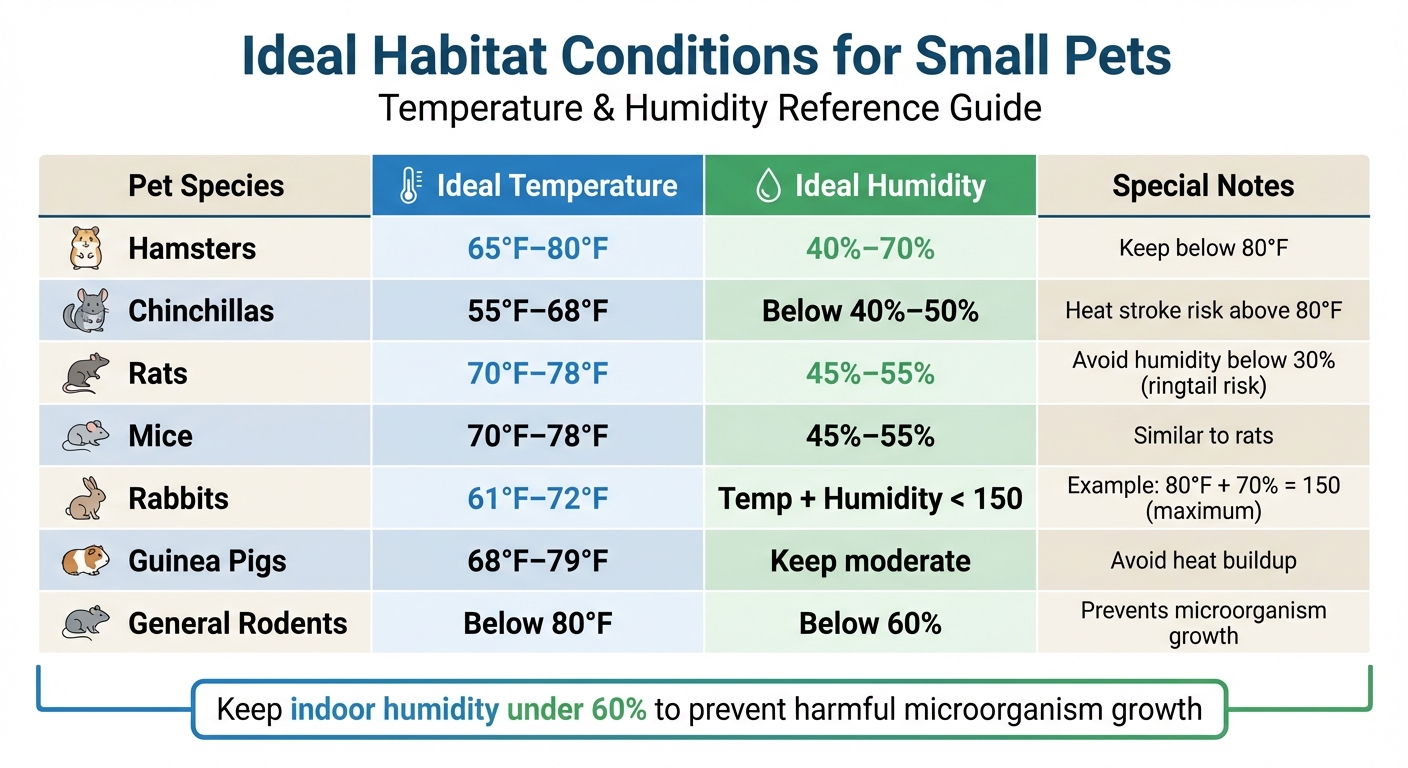
Ideal Temperature and Humidity Ranges for Small Pets
Spotting signs of poor ventilation early can help you address potential respiratory, skin, and temperature-related issues before they escalate.
Environmental Signs in the Habitat
The first clue often comes from your nose. If you notice a strong ammonia smell or see condensation on surfaces, it’s a clear indication that harmful gases and excess moisture are lingering in the air instead of being vented out.
Dust and dander accumulating on surfaces are another red flag, signaling that airflow is stagnant. Additionally, if the enclosure feels warmer than it should, it’s a sign that ventilation isn’t doing its job.
These environmental cues should prompt you to take a closer look at your pet’s behavior and double-check the habitat’s conditions.
Changes in Pet Behavior
Your pet’s behavior can provide valuable insight into the quality of their environment. Persistent sneezing, wheezing, or difficulty breathing are obvious signs of airway irritation caused by poor air circulation.
Energy levels are another indicator. Pets exposed to stale, poorly ventilated air often become sluggish and lose interest in activities they usually enjoy. Rodents, for example, may adopt a huddled posture, signaling discomfort. Since small animals can’t cool themselves efficiently, poor airflow can lead to overheating, making them even less active.
A noticeable drop in appetite is another critical warning. If your pet eats less or shows disinterest in food, it could be a sign of physical discomfort caused by breathing problems or heat stress. These behavioral changes are strong indicators that poor ventilation is taking a toll on your pet’s health.
To confirm these concerns, objective measurements of the habitat can be incredibly helpful.
Measuring Temperature and Humidity
A digital hygrometer and thermometer are simple yet effective tools for keeping tabs on temperature and humidity levels. These inexpensive devices can help you catch problems before they affect your pet.
Here’s a quick guide to ideal conditions:
| Species | Ideal Temperature | Ideal Humidity |
|---|---|---|
| Hamsters | 65°F–80°F | 40%–70% |
| Chinchillas | 55°F–68°F | Below 40%–50% |
| General Rodents | Below 80°F | Below 60% |
Keeping indoor humidity under 60% is crucial to prevent the growth of harmful microorganisms. If you notice frequent fogging on enclosure windows or moisture on walls, the humidity is likely too high. For a quick check, try the ice cube test: place ice cubes and water in a glass, wait 3–4 minutes, and observe. If no moisture forms on the outside of the glass, the air is too dry. If condensation appears, it means the humidity is high.
Check your readings daily, especially during weather changes, as fluctuations in outdoor conditions can directly impact your pet’s enclosure. To ensure accurate measurements and maintain a comfortable environment, place the enclosure away from direct sunlight and drafts. This helps create a stable and healthy space for your pet.
How to Improve Ventilation in Pet Enclosures
Addressing ventilation issues in pet enclosures is crucial for ensuring your pet’s health and comfort. Once you’ve identified problems with airflow, making the right adjustments can significantly improve air quality and reduce risks.
Choosing the Right Enclosure Type
For small pets like hamsters, rats, and chinchillas, wire cages are a top choice. Their open design allows for maximum airflow, minimizing ammonia buildup – a common cause of respiratory problems in rodents. Look for cages with wire sides and a solid plastic bottom. This combination not only ensures better ventilation but also makes cleaning much easier. On the other hand, glass aquariums, even with mesh tops, restrict airflow and can lead to stale air. If you’re currently using a 20-gallon tank, upgrading to a wire cage is a smart move. For pets that enjoy climbing, like chinchillas and rats, multi-level wire cages provide both exercise opportunities and improved vertical air circulation.
"Cages with a wire or mesh top and a solid bottom are preferred over glass for proper air ventilation." – MSPCA-Angell
Avoid using wooden enclosures altogether. Wood tends to absorb urine, creating a breeding ground for bacteria and ammonia buildup, which are tough to eliminate. Similarly, plastic bin cages can trap stale air and are often difficult to clean thoroughly.
Modifying Existing Enclosures for Better Airflow
If replacing your current enclosure isn’t an option, you can make some modifications to improve airflow. For plastic bin cages, you can cut sections from the sides or lid and replace them with wire mesh. This modification allows for cross-ventilation by promoting air circulation throughout the cage. Be sure to use mesh with openings no larger than 1/2 inch to prevent escapes.
For glass tanks, swap out solid lids for secure wire screen toppers. Alternatively, you can modify the existing lid by cutting out the center and attaching fine wire mesh or hardware cloth. Wooden enclosures can also be adjusted by drilling rows of ventilation holes and lining them with hardware cloth on the inside to prevent chewing.
To maximize airflow, install mesh panels on opposite sides of the enclosure to create cross-ventilation. Always ensure that these mesh areas remain unobstructed by bedding, toys, or food bowls to maintain proper air movement.
Cage Placement and Maintenance Tips
Where you place the cage plays a significant role in improving ventilation and your pet’s overall health. Position the enclosure in a well-ventilated area with plenty of open space around it. Elevating the cage on a stand can also encourage airflow from underneath, utilizing the room’s natural air circulation.
Placing the cage near a window can help with fresh air exchange, but be cautious of direct sunlight, which can overheat the enclosure. Similarly, keep cages away from air conditioning vents or drafty areas, as direct drafts can make small pets uncomfortably cold.
Daily maintenance is essential for keeping the air fresh. Remove soiled bedding and uneaten food every day to prevent ammonia buildup. Perform a full bedding change and disinfect accessories weekly using hot, soapy water. While laboratory standards recommend 10 to 15 air changes per hour in animal rooms, you can achieve fresher air at home by maintaining consistent cleaning habits alongside proper ventilation.
sbb-itb-e212914
Ventilation Tips for Different Small Pet Species
Rodents: Hamsters, Mice, Rats, and Gerbils
Proper airflow is essential for rodents like rats, mice, hamsters, and gerbils to stay healthy. For rats and mice, wire cages with solid bottoms are a great choice. These cages allow for 360° ventilation, reducing the risk of ammonia buildup from urine, which can cause respiratory issues. Keep the temperature between 70–78°F for rats and 75–85°F for hamsters, while maintaining humidity levels at 45–55% for rats and 40–60% for hamsters. Be cautious of humidity dropping below 30%, as this can lead to ringtail in young rats – a painful condition affecting their tails.
Gerbils typically do well in glass aquariums, but it’s crucial to use a secure, fine-mesh top for airflow. Avoid solid plastic lids or modular plastic cages with long tubes, as these can trap ammonia. For bedding, opt for paper-based materials instead of cedar or pine shavings, which can irritate their sensitive lungs.
Rabbits and Guinea Pigs
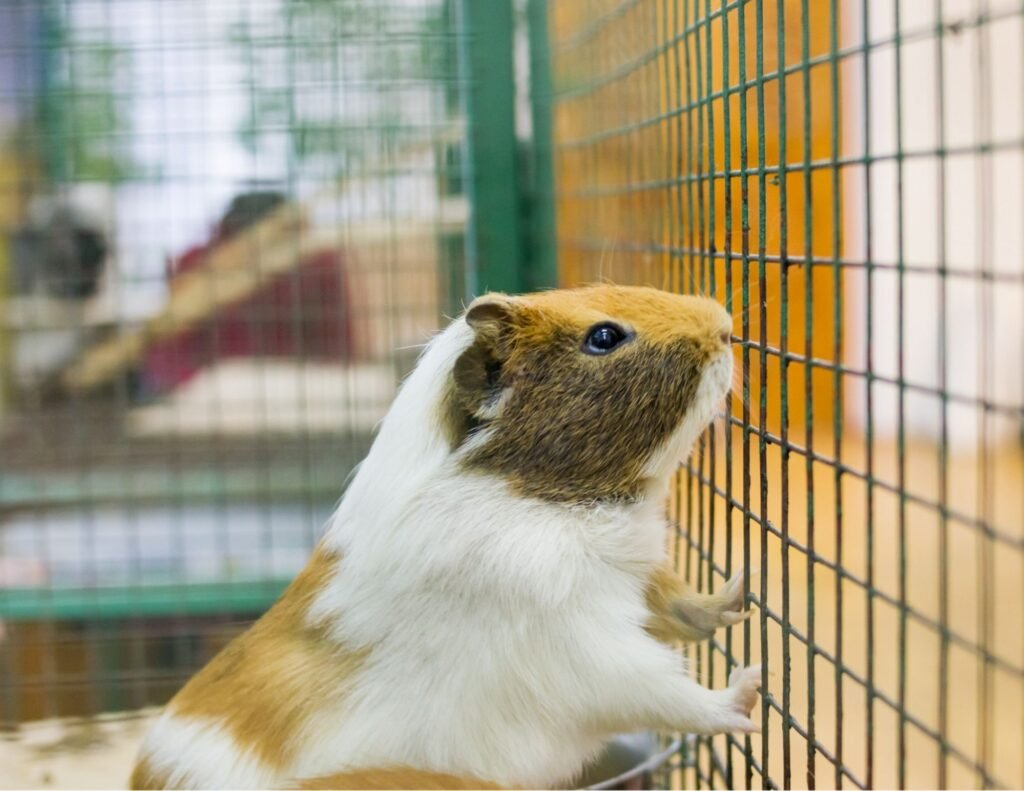
Rabbits and guinea pigs have different needs when it comes to ventilation. Unlike rodents, they require open, spacious enclosures to avoid heat buildup. Large enclosures with wire or mesh tops work best, while glass aquariums or solid plastic tubs should be avoided due to restricted airflow. For rabbits, all-wire cages are ideal, or you can use an 8-square-foot exercise pen (x-pen) to ensure plenty of space and ventilation. Guinea pigs, which don’t jump or climb, can use enclosures with open tops as long as the walls are at least 10 inches high to promote vertical airflow.
To prevent issues like sore hocks and leg injuries, make sure the enclosure floor is solid or partially covered with mats. Keep temperatures between 61–72°F for rabbits and 68–79°F for guinea pigs. A helpful rule for rabbits is to ensure that the sum of the temperature (°F) and relative humidity (%) doesn’t exceed 150 (e.g., 80°F with 70% humidity). Poor ventilation can lead to ammonia buildup, increasing the risk of respiratory problems. Regular cleaning is essential – spot clean daily and replace bedding weekly to maintain a healthy environment.
Small Birds and Exotic Pets
Small birds and exotic pets also rely on well-managed ventilation. For birds, rectangular wire cages are better than round ones, as they provide better perch placement and a sense of security with corners. Choose cages made of stainless steel or powder-coated metal, as they are non-porous and easy to clean. Avoid covering birdcages for extended periods, as this can trap ammonia and limit airflow.
Chinchillas are highly sensitive to heat and thrive in cooler temperatures, ideally between 55–68°F. Exposure to temperatures above 80°F can lead to heat stroke. For reptiles, it’s crucial to balance airflow with humidity. Never compromise ventilation to maintain humidity, as stagnant air can cause skin and respiratory infections. Place heat sources on one side of the enclosure to create a temperature gradient, allowing reptiles to regulate their body temperature by moving between warmer and cooler areas. To prevent ammonia buildup, clean exotic pet enclosures at least once a week and change bedding twice weekly.
Conclusion: Creating a Healthy Environment for Small Pets
The Role of Ventilation in Pet Health
Good airflow is crucial for maintaining a safe and healthy environment for small pets. Without proper ventilation, ammonia from urine can accumulate, leading to chronic respiratory problems. Stagnant air also increases the risk of heat stroke – especially for animals like chinchillas and guinea pigs when temperatures climb above 80°F. Additionally, poor airflow can foster mold growth and allow airborne microbes and gases to linger. To avoid these issues, wire enclosures are a better choice than glass tanks, as they promote better air circulation.
"A major cause of respiratory disease in pet rodents is poor environmental ventilation, which allows ammonia from the urine to build up and irritate the pet’s airways."
By focusing on ventilation – whether through wire cages, avoiding urine-absorbing wooden enclosures, or placing habitats in open, well-ventilated areas – you can significantly reduce health risks for your pets.
Keeping the Habitat Clean and Monitored
Maintaining a healthy habitat requires consistent effort. Spot-clean any soiled bedding daily and fully replace bedding while disinfecting the enclosure at least once a week. This routine helps minimize ammonia buildup and keeps the environment safe.
Pay attention to environmental signs like condensation, damp bedding, or strong ammonia smells, as these can indicate poor conditions. Also, watch for behavioral changes in your pet, such as sneezing, wheezing, nasal discharge, lethargy, a dull coat, or reduced appetite. Position the habitat in areas with natural airflow, away from obstructive furniture or confined corners, to ensure a steady supply of fresh air. Regular checks and small adjustments can make a big difference in your pet’s overall well-being.
FAQs
How can I ensure proper ventilation in my pet’s habitat?
Good airflow is essential for ensuring your pet’s habitat remains a safe and comfortable space. Without proper ventilation, ammonia can build up, unpleasant odors may linger, and your pet could face health concerns, including respiratory issues. Here’s how you can improve ventilation in your pet’s environment:
- Select an enclosure with good airflow: Wire cages or aquariums with secure mesh tops are great options. Steer clear of solid enclosures made from plastic, wood, or unmodified glass, as these limit air circulation.
- Incorporate airflow aids: If necessary, you can drill small holes or use a low-speed fan to gently move air around without causing drafts.
- Maintain cleanliness: Daily removal of soiled bedding and weekly full bedding replacements can help control odors and prevent ammonia buildup.
- Keep an eye on temperature and humidity: Maintain a range of 65–75°F and 40–50% relative humidity. A digital thermometer and hygrometer can help you monitor these conditions effectively.
These simple steps can help you create a healthier, fresher habitat for your small pet, reducing potential health risks and ensuring their comfort.
What are the signs that my pet might be affected by poor ventilation?
If your pet is dealing with poor airflow in their environment, you might notice symptoms like sneezing, nasal discharge, or wheezing. More serious signs could include labored breathing, coughing, lethargy, or even a loss of appetite. Pay attention to any strong ammonia-like odor or a generally "stuffy" feeling in their space – these are often red flags for inadequate ventilation.
To help protect your pet’s health, make sure their habitat is well-ventilated. Regular cleaning, avoiding overcrowding, and choosing enclosures designed for good airflow can go a long way in preventing respiratory problems and keeping your pet comfortable.
What type of enclosure provides the best ventilation for small pets?
For ensuring proper ventilation, metal wire or mesh enclosures are your best bet. Wire cages provide excellent airflow, and a fine mesh top – preferably with openings no larger than 0.4 inches – helps maintain fresh air circulation while keeping your pet safely contained. Steer clear of habitats made from solid plastic, wood, or unmodified glass tanks, as these materials can trap moisture and ammonia. This buildup can lead to poor air quality and potentially cause respiratory problems for your pet.
A smart choice is a wire-sided cage with a durable plastic base. This design combines easy cleaning with optimal ventilation. On the other hand, wooden enclosures should be avoided because they absorb moisture and are difficult to disinfect, which can further impact air quality. At Little Pet Corner, we always recommend well-ventilated wire enclosures to ensure your small pets have a clean, safe, and comfortable environment.