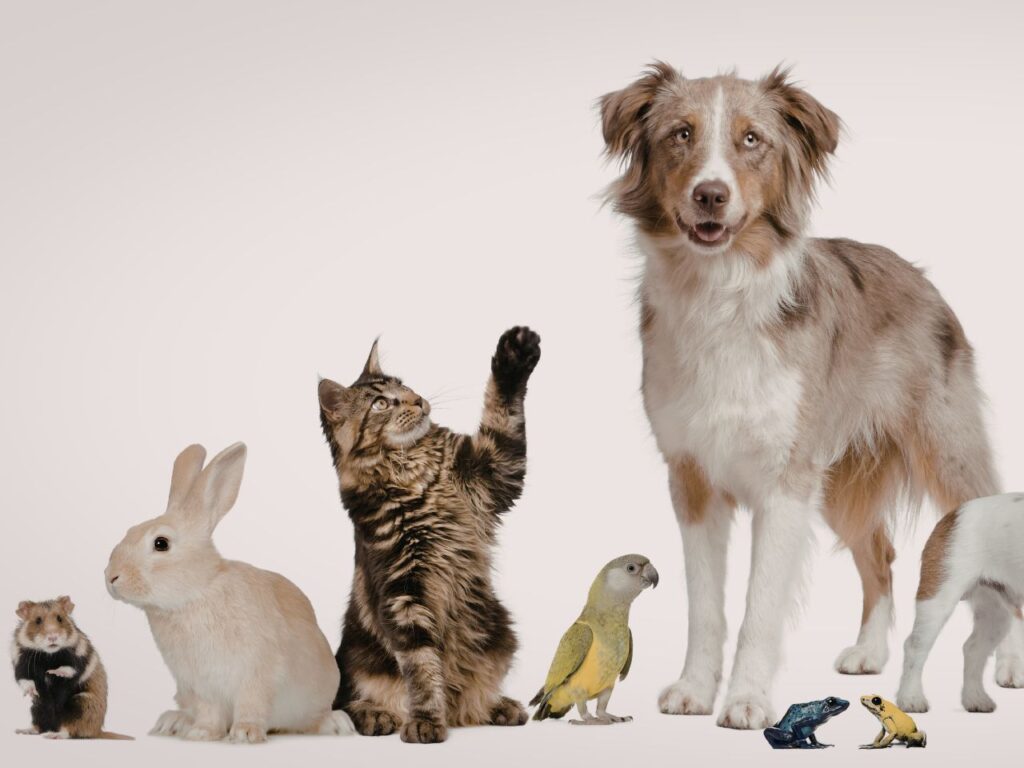
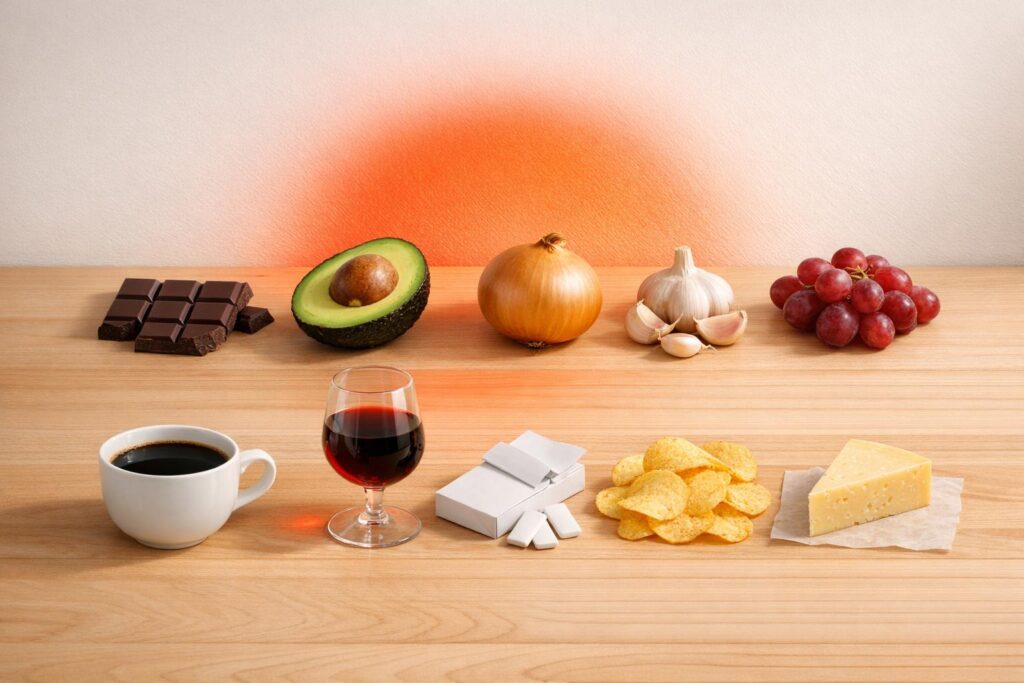
Small exotic pets like rabbits, guinea pigs, hamsters, and birds have unique dietary needs. Certain foods that are harmless – or even healthy – for humans can be toxic, causing severe health issues or even death. Here’s a quick look at 10 foods you should never feed your small pets:
- Chocolate: Contains theobromine and caffeine, which can overstimulate the heart and nervous system. Darker chocolate is especially toxic.
- Avocado: Persin, found in all parts of the avocado, can cause heart failure in birds and rabbits.
- Onions & Garlic: Sulfur compounds damage red blood cells, leading to anemia.
- Fruit Seeds & Pits: Apple seeds and stone fruit pits release cyanide when chewed.
- Caffeine: Found in coffee, tea, and energy drinks, it can cause seizures and death.
- Alcohol: Even small amounts can lead to respiratory failure and organ damage.
- Grapes & Raisins: Linked to kidney failure in pets.
- Dairy Products: Causes digestive upset due to lactose intolerance.
- High-Fat & High-Sugar Foods: Leads to obesity, digestive issues, and in some cases, toxicity.
- Meat & Dairy for Herbivores: Herbivorous pets cannot process animal products, leading to gut imbalances.
Quick Safety Tips:
- Store toxic foods securely out of reach.
- Always check the ingredients of treats or human food before offering them to pets.
- If ingestion occurs, contact a veterinarian or a pet poison hotline immediately.
Prevention is key – small pets are highly sensitive, and even tiny amounts of these foods can have fatal consequences.
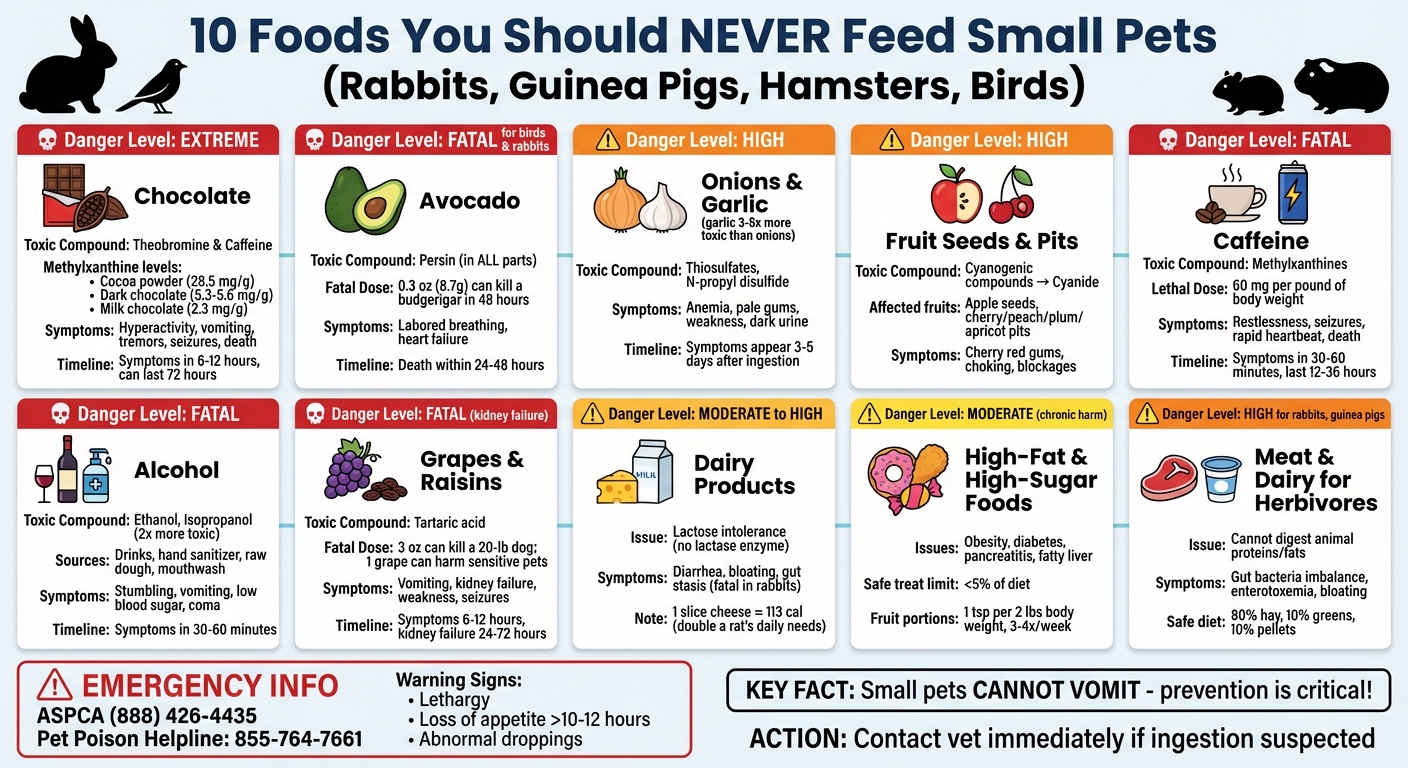
10 Toxic Foods for Small Pets: Dangers and Symptoms Guide
1. Chocolate
Why Chocolate Is Dangerous for Small Pets
Chocolate contains two harmful compounds: theobromine and caffeine, both part of a group called methylxanthines. These substances can overstimulate a pet’s nervous system and heart, leading to severe health issues. Among these, theobromine is the bigger threat, often found in concentrations 3 to 10 times higher than caffeine in chocolate products. By blocking adenosine receptors, these compounds trigger an increased heart rate and neurological problems.
The darker the chocolate, the more dangerous it is. Here’s a quick breakdown of methylxanthine levels in different types of chocolate:
- Cocoa powder: 28.5 mg/g
- Unsweetened baker’s chocolate: 15.5 mg/g
- Dark chocolate: 5.3–5.6 mg/g
- Milk chocolate: 2.3 mg/g
- White chocolate: 0.04 mg/g
In short, darker and less sweet chocolates are far more toxic.
How Chocolate Affects Small Pets
Symptoms of chocolate poisoning usually appear within 6–12 hours of ingestion. These can include hyperactivity, vomiting, diarrhea, elevated heart rate, tremors, seizures, and in severe cases, even death. Symptoms may last up to 72 hours in extreme cases. Rabbits are particularly vulnerable because they cannot vomit, often showing signs like restlessness, trembling, or squirming when touched.
"Because birds are small and have a low body weight, it doesn’t take much chocolate to cause a problem." – Pet Poison Helpline Veterinarian Team
Misconceptions About Chocolate and Pet Safety
One common myth is that giving a small "taste" of chocolate is harmless. However, even a crumb can be dangerous. For instance, there are reports of birds dying after eating just a bite of a cookie or a single chocolate donut. Another misconception is that white chocolate is safe because it lacks the dark cocoa color. While it has lower levels of methylxanthines, its high fat and sugar content still pose risks.
If your pet ingests chocolate, call your veterinarian or the Pet Poison Helpline at 855-764-7661 immediately. Be ready to provide details like the type of chocolate, the amount consumed, the time of ingestion, and your pet’s weight. To prevent accidents, store chocolate in sealed containers or cabinets well out of reach.
Next, we’ll explore another common food hazard for small pets.
sbb-itb-e212914
2. Avocado
Why Avocados Are Dangerous for Small Pets
Avocados contain persin, a natural toxin that helps protect the plant from fungi. While harmless to humans, persin poses a serious risk to small pets like rabbits, guinea pigs, and birds. The toxin is present in every part of the avocado plant, but the leaves are particularly dangerous.
Different species react to persin in varying ways. Dogs and cats might only experience mild stomach upset, but for birds and rabbits, it can be life-threatening. For instance, just 0.04 ounces (1 gram) of avocado fruit can cause budgerigars to become agitated and start plucking their feathers. A slightly larger amount – 0.3 ounces (8.7 grams) of mashed avocado – can be fatal within 48 hours.
How Avocado Affects Pet Health
In birds and rabbits, persin primarily attacks the heart muscle, leading to heart failure within one to two days. Warning signs include labored breathing, gasping, and fluid buildup around the heart and lungs. In nursing mammals, persin can inflame the mammary glands, reducing milk production by as much as 75% within 24 hours.
"The biggest concern for birds and rabbits is cardiovascular damage and death." – ASPCA
If your pet eats avocado, contact your veterinarian immediately. Watch for symptoms like lethargy, difficulty breathing, or sudden collapse. Since there’s no specific test for avocado poisoning, diagnosis depends on exposure history and observed symptoms.
Misunderstandings About Avocado and Pets
It’s a common misconception that avocados are safe for pets just because they’re considered a healthy food for humans. Another myth is that only the pit or skin is toxic. In reality, even the flesh contains enough persin to harm sensitive animals. Avocado-based foods, like guacamole, add another layer of risk, as they often contain garlic or onions – ingredients that are toxic to pets. Always dispose of avocado pits and skins securely to prevent accidental ingestion.
Next, we’ll take a closer look at another food hazard for small pets.
3. Onions and Garlic
Toxic Compounds Harmful to Small Pets
Onions and garlic, both part of the Allium family, contain sulfur-based compounds like thiosulfates and disulfides, which are toxic to small pets. Garlic, in particular, contains N-propyl disulfide, a compound that disrupts glutathione regeneration, leaving red blood cells vulnerable to damage. Additionally, garlic includes allicin and ajoene, which can impact smooth muscle function and blood pressure.
Garlic is 3–5 times more dangerous than onions when compared by weight, and concentrated forms like powders or extracts amplify this risk. For instance, a 10-pound dog could become sick after consuming just half of a small onion. For smaller animals, such as birds or hamsters, even a tiny crumb can be harmful. These toxic compounds attack red blood cells, causing hemolytic anemia and its associated symptoms.
Adverse Effects on Digestion and Health
The sulfur compounds in onions and garlic lead to oxidative damage in red blood cells, forming Heinz bodies and triggering hemolytic anemia. This condition reduces the blood’s ability to carry oxygen, resulting in symptoms like pale gums, weakness, rapid breathing, and dark-colored urine. In birds, additional signs such as tail bobbing and burgundy-tinged droppings may occur.
While Heinz bodies can appear within 24 hours of ingestion, symptoms like lethargy and pale gums may take 3–5 days to surface. Cats are especially vulnerable, with toxic effects occurring after consuming as little as 5 g/kg (less than a teaspoon of cooked onion). Dogs generally require 15–30 g/kg to exhibit symptoms. Birds, however, are extremely sensitive, and repeated small exposures can result in severe health problems over time.
Common Misconceptions About Pet-Safe Foods
Cooking does not eliminate the toxic compounds in onions and garlic. Whether raw, cooked, dried, or powdered, these foods remain hazardous to small pets.
"No matter the state of the Allium (cooked, dried, processed or spoiled) the toxicity concern remains." – American College of Veterinary Pharmacists
Another widespread myth is that garlic is a safe, natural supplement for pets. While garlic may have benefits for humans, it is unsafe for small pets, as they cannot metabolize it properly. Even moderate amounts can cause red blood cell damage and potentially lead to organ failure. To reduce risks, always check ingredient labels on items like baby food, broths, gravies, and sauces, as they might contain hidden onion or garlic powder. Also, store Allium vegetables – including leeks, chives, and shallots – in a secure place out of your pet’s reach.
Next, we’ll look at another food hazard that poses risks to small pets.
4. Fruit Seeds and Pits
Toxic Compounds Harmful to Small Pets
Fruit seeds and pits, much like chocolate and onions, can pose serious threats to small pets if consumed. Many of these contain toxins that become dangerous when the seeds or pits are crushed. For example, apple and pear seeds, as well as pits from cherries, peaches, plums, apricots, and nectarines, contain cyanogenic compounds. When these compounds break down, they release cyanide – a substance that can be deadly to pets like birds, rabbits, and rodents, who are natural chewers and may inadvertently release the toxins by gnawing on the seeds or pits.
Some pits also carry persin, a fungicidal toxin particularly harmful to birds and rabbits. While persin’s effects were detailed in the Avocado section, it’s worth noting that these toxins can result in both chemical poisoning and physical harm.
Adverse Effects on Digestion and Health
Cyanide poisoning prevents oxygen from reaching tissues, leading to rapid cellular suffocation. A telltale sign of this poisoning is the appearance of "cherry red" gums in affected animals.
In addition to chemical risks, large fruit pits – like those from peaches and plums – can cause physical damage. Their hardness can break teeth, and their rough edges may scrape or erode the esophagus, leading to painful ulcers or scar tissue that makes swallowing difficult. These pits can also increase the chances of choking or causing intestinal blockages, both of which can be life-threatening.
Common Misconceptions About Pet-Safe Foods
It’s important to know that not all fruit seeds are harmful. Seeds from fruits like grapes, cantaloupe, watermelon, pomegranates, citrus fruits, pumpkins, and squash are generally safe for birds. However, a persistent myth is that a single apple seed is harmless. While one seed may not cause immediate harm, repeated exposure to even small amounts of cyanide can build up over time and negatively impact your pet’s health.
Avian health expert Patty Jourgensen offers this advice:
"Whenever you question whether or not something is safe for your bird, it is always best to opt against using it until you know for certain. My philosophy is: when in doubt, don’t".
To keep your pet safe, always remove seeds, pits, cores, stems, and leaves before giving them fruit. Dispose of pits securely, as some pets might mistake them for toys. If your bird ingests a toxic seed, do not try to induce vomiting – birds cannot vomit safely. Instead, seek emergency veterinary care immediately, just as you would for other cases of food poisoning discussed earlier.
5. Caffeine
Why Caffeine Is Dangerous for Small Pets
Caffeine is a methylxanthine compound that interferes with essential receptors in the body, leading to dangerous overstimulation of the heart and nervous system. While humans can handle moderate amounts of caffeine, small pets are far more vulnerable because their systems struggle to metabolize it effectively. This heightened sensitivity makes even small amounts potentially harmful.
Although a few licks of coffee or tea might not cause immediate harm, consuming coffee grounds, tea bags, or as little as one or two diet pills can be deadly for small pets. Dr. Ahna Brutlag highlights this risk:
"Pets are more sensitive to the effects of caffeine than people. While a couple laps of coffee, tea, or soda won’t poison most pets, the ingestion of moderate amounts of coffee grounds, tea bags, or one to two diet pills can easily be fatal in small animals".
Common sources of caffeine in the home include brewed coffee, coffee beans, tea, energy drinks, sodas, over-the-counter pain relievers, herbal supplements, and even energy bars.
How Caffeine Affects Pets
Caffeine is absorbed quickly, with poisoning symptoms often appearing within 30 to 60 minutes – though in some cases, it may take up to two hours. A dose of approximately 60 mg per pound of body weight can cause life-threatening effects. For example, just a few teaspoons of instant coffee (containing 30–90 mg per teaspoon) could prove fatal to a 5-lb pet if ingested in multiple teaspoons.
Signs of caffeine poisoning include restlessness, hyperactivity, vomiting, diarrhea, panting, a rapid heartbeat, muscle tremors, and seizures. Severe cases may escalate to abnormal heart rhythms, respiratory distress, collapse, or sudden death. These symptoms can persist for 12 to 36 hours. Additionally, because caffeine can be reabsorbed from the bladder, pets undergoing treatment may need extra care to prevent re-poisoning.
Misunderstandings and Safety Tips
Many pet owners mistakenly assume that decaffeinated coffee is entirely safe. However, even decaf contains small amounts of caffeine, which can be toxic in larger quantities. Similarly, "natural" herbal supplements are often believed to be harmless, but many include caffeine or stimulants like guarana that can amplify toxic effects.
To protect your pets, store all caffeinated items in secure, pet-proof locations. If your pet consumes caffeine, contact a veterinarian immediately. Early action, such as inducing vomiting or using activated charcoal, can make a significant difference. Be ready to provide your pet’s weight and details about the ingested substance. Stay tuned as we examine more common foods that can pose serious risks to your small pet’s health.
6. Alcohol
Why Alcohol Is Dangerous for Small Pets
Alcohol affects the central nervous system by increasing inhibitory signals (GABA) and reducing excitatory ones. While this is harmful to humans in large amounts, it’s even more toxic for small pets due to their low body weight and underdeveloped systems.
The danger isn’t limited to alcoholic drinks. Everyday items like hand sanitizers, mouthwash (15%–25% ethanol), vanilla extract (35% ethanol), rubbing alcohol, windshield washer fluid, perfumes, and certain flea sprays can be equally hazardous. Isopropanol, commonly found in rubbing alcohol and cleaning products, is especially dangerous – it’s twice as toxic as ethanol. Another hidden danger? Raw yeast dough. When ingested, the warmth of a pet’s stomach can trigger yeast fermentation, producing ethanol and carbon dioxide gas, which can result in toxic effects and dangerous bloating. Alcohol can also be absorbed through the skin or inhaled from fumes, making accidental exposure even more likely.
How Alcohol Affects Pets’ Health
"Alcohol poisoning primarily affects a pet’s gastrointestinal (GI) system, respiratory system, central nervous system, and heart." – Animal Emergency Care
Ethanol is absorbed quickly, reaching peak levels in about 30 minutes. Symptoms like stumbling, lethargy, vomiting, and disorientation often appear within 30–60 minutes of ingestion. For dogs, the lethal dose of 100% ethanol is estimated at 5.5 to 7.9 g/kg. In severe cases, alcohol poisoning can lead to dangerously low blood sugar, blood pressure, and body temperature. Other complications include metabolic acidosis, respiratory depression, seizures, coma, and even death. Nearly half of pets with alcohol poisoning develop metabolic acidosis due to the toxic byproducts of alcohol metabolism.
Myths About Alcohol and Pets
Some pet owners believe that a small sip of beer or wine won’t harm their pets. This is a dangerous misconception. Even tiny amounts of alcohol can be harmful, especially for small animals. Products marketed as "pet-friendly alcohol" are actually nonalcoholic broths and contain no ethanol. Another overlooked risk comes from fermented fruits, which may naturally develop high alcohol levels.
If you suspect your pet has ingested alcohol, contact a veterinarian immediately. Do not induce vomiting unless instructed, as alcohol is absorbed very quickly.
Next, we’ll look at another food that poses similar dangers to small pets.
7. Grapes and Raisins
Why Grapes and Raisins Are Dangerous for Pets
Grapes and raisins contain tartaric acid and potassium bitartrate, which research has identified as the primary toxins responsible for their harmful effects on pets. Dogs – and potentially cats and ferrets – lack specific organic acid transporters that other species use to eliminate tartaric acid. This deficiency allows the toxin to build up in their kidneys, leading to severe damage to the renal tubular cells.
"Dogs poorly excrete organic acids because they lack the organic acid transporters that other species have, allowing tartaric acid to accumulate in the proximal renal tubular cells." – Cristine Hayes, DVM, ASPCA Animal Poison Control Center
Every form of these fruits – raisins, sultanas, and Zante currants – is toxic to pets. Products like cream of tartar and tamarind paste also contain high levels of tartaric acid. A 2022 case study highlighted six dogs that consumed tartaric acid through these products. Symptoms like vomiting appeared within 1 to 14 hours, and kidney issues followed within 18 to 53 hours. Tragically, four of the dogs were euthanized after post-mortem examinations confirmed kidney damage consistent with grape poisoning.
Symptoms and Health Risks
Signs of poisoning often appear 6 to 12 hours after ingestion and typically start with vomiting and diarrhea. As kidney function declines, pets may show increased thirst and urination, which can escalate to kidney failure. In some cases, a dog weighing just 20 pounds can suffer fatal kidney failure after consuming as little as 3 ounces of grapes or raisins. The Animal Poison Control Center reported 140 cases of grape and raisin ingestion; of these, 50 dogs developed symptoms, and 7 fatalities were recorded.
Kidney failure usually develops within 24 to 72 hours. Advanced symptoms include weakness, tremors, seizures, and limb swelling. If you suspect your pet has eaten grapes or raisins, contact a veterinarian immediately. Early intervention – such as inducing vomiting within two hours and administering intravenous fluids for 48 hours – can sometimes prevent kidney failure.
Myths About Grape Safety for Pets
Both seeded and seedless varieties of grapes, whether red, green, homegrown, or store-bought, contain the same toxic compounds. A common misconception is that pets are safe if they show no immediate symptoms after ingestion. However, sensitivity varies widely. Some pets can eat grapes without issue, while others may experience fatal kidney failure from consuming just one grape.
"Some dogs are sensitive to grapes, and even a single grape can cause them to become ill. Other dogs can eat grapes regularly without getting sick." – Dr. Jessica Dowling, Medical Director and Emergency Veterinarian, VEG ER for Pets
Cooking or baking grapes and raisins does not eliminate their toxicity. To keep your pets safe, always store these fruits – and any products containing them – out of reach in secure, elevated locations. While Zante currants (small raisins) are toxic, true currants from the Ribes genus, like black currants used in jams, have not been linked to kidney damage.
Stay informed about other foods that can pose risks to your pets’ health.
8. Dairy Products
Toxic Compounds or Ingredients Harmful to Small Pets
Small pets, including rabbits, rodents, and birds, lack the enzyme lactase, which is necessary to digest lactose found in dairy products. Without this enzyme, lactose remains undigested and is fermented by gut bacteria, leading to digestive issues.
"Since they are unable to break down the lactose in dairy products, undigested lactose is fermented by gut bacteria. The fermented bacteria are what give our pets intestinal cramps and diarrhea." – Dr. Tawnia Shaw, DVM
Birds, in particular, never develop lactase because they rely on regurgitated food, or crop milk, which naturally contains no lactose. Even lactose-reduced dairy products are dangerous for birds, as Dr. Margaret A. Wissman, D.V.M., D.A.B.V.P., explains:
"The two compounds that lactose is broken down into by these products are toxic to birds!"
Adverse Effects on Digestion or Health
When small pets consume dairy, the undigested lactose can draw water into the intestines, causing diarrhea, gas, and bloating. For herbivores like rabbits, these digestive disturbances can escalate into life-threatening conditions, such as gastrointestinal stasis, a severe gut imbalance.
In addition to lactose, the high fat and calorie content in dairy products poses risks. For example, a rat’s daily caloric need is around 60 calories, yet a single slice of Cheddar cheese contains about 113 calories – nearly double their requirement. This caloric surplus can quickly lead to obesity and associated health problems in small animals.
Common Misconceptions About Pet-Safe Foods
Misconceptions about dairy often lead to improper feeding practices. Some pet owners mistakenly believe that small amounts of dairy are harmless treats. However, an animal’s attraction to sweet or rich foods doesn’t mean they’re safe. For rabbits, even a small amount of dairy can result in fatal bloating or gut stasis.
Another common myth is that goat milk is safer than cow’s milk due to its slightly lower lactose content – about 12% less. While goat milk may have smaller fat globules, making it somewhat easier to digest, it still carries significant risks for small pets.
If you decide to offer dairy to pets like rats, stick to hard, mild cheeses such as Colby, Gouda, or Cheddar, and avoid soft or moldy varieties like Brie, Blue cheese, or Feta. Also, be vigilant about checking labels for xylitol, a sugar substitute that is extremely toxic to many pets.
9. High-Fat and High-Sugar Foods
Toxic Compounds or Ingredients Harmful to Small Pets
While high-fat and high-sugar foods may not be inherently toxic, they can be dangerous for small pets due to harmful additives like xylitol. This artificial sweetener is particularly risky, as it can cause severe hypoglycemia and liver damage in as little as 30 minutes.
Beyond additives, diets high in fat or sugar can disrupt metabolic balance. For instance, the National Research Council advises that domestic rabbits should get no more than 1.5% of their calories from fat. However, many seed-based treats on the market contain 4% to 5% fat or even more. In herbivores like rabbits and guinea pigs, excess sugar can upset the delicate bacterial ecosystem in their hindgut, leading to digestive issues.
Adverse Effects on Digestion and Health
High-fat foods, such as nuts or table scraps, can lead to pancreatitis in small animals. This condition causes symptoms like abdominal pain, vomiting, and appetite loss. For rabbits and other herbivores, consuming too much fat can result in hepatic steatosis (fatty liver disease), a potentially fatal condition.
Similarly, high-sugar foods pose their own set of risks. Fruits like bananas and grapes, though seemingly harmless, can disturb the bacterial balance in the cecum of herbivores. This disruption often causes gas, diarrhea, and appetite loss. Over time, these imbalances can escalate into gastrointestinal dysbiosis, which may lead to soft stools or, in severe cases, life-threatening gastrointestinal stasis. Additionally, high-starch foods such as potatoes and corn can create intestinal blockages in small mammals.
Birds are also at risk. Dr. Christal Pollock, DVM, Dipl. ABVP-Avian, explains:
"Although not technically toxic, table foods laden with high concentrations of fat, salt, and sugar can cause serious health problems in birds".
Overindulgence in such foods can result in obesity and diabetes, further highlighting the dangers of improper diets for small pets.
Common Misconceptions About Pet-Safe Foods
Many pet owners assume that treats labeled "nutritionally fortified" or "natural" are safe and healthy. However, Susan Smith, PhD, from the Nutrition Research Institute, warns:
"Most so-called rabbit treats are the equivalent of taking your rabbit to McDonald’s, providing non-nutritious junk that can cause potential harm to your rabbit".
Popular treats like yogurt drops, honey-coated seed sticks, and muesli mixes often lack real nutritional value and can harm pets.
Another misconception is that seeds and grains are essential for pets to satisfy their chewing instincts. In reality, safer alternatives like untreated wood or cardboard provide a high-fiber option without the added fat. For rabbits, treats (including fruit) should make up less than 5% of their diet. Fruit portions should be limited to 1 teaspoon per 2 pounds of body weight and offered only 3–4 times a week. Hamsters and gerbils should have less than 1 teaspoon of fruit every other day, while rats and mice can have the same amount 2–3 times a week. For species with sensitive digestive systems, like chinchillas and degus, it’s best to avoid commercially available fruits altogether due to their high sugar content.
10. Meat and Dairy for Herbivores
Adverse Effects on Digestion and Health
Herbivorous pets, like rabbits and guinea pigs, are built for fibrous diets. Their systems simply can’t handle animal proteins or fats. Adam Mann from The Vet Desk puts it clearly:
"Rabbits are herbivores, which means they don’t have the digestive tracts to break down animal products… it’s a recipe for serious digestive problems and imbalance in their gut bacteria".
Feeding meat or dairy to these animals disrupts their gut bacteria, potentially leading to life-threatening conditions like enterotoxemia. While omnivorous pets such as hamsters or rats might manage small amounts of animal protein, strict herbivores can face rapid gut flora failure even with minimal exposure.
Raw meat and eggs come with an added risk: bacteria like Salmonella and E. coli. These pathogens can harm both your pet and your household. Compounding the danger, rabbits lack the ability to vomit, so once they ingest harmful substances, their bodies can’t expel them. This makes any toxic exposure especially perilous. If your herbivorous pet accidentally eats animal products, watch for symptoms like bloating, constant tooth-grinding, or a lack of droppings for over 12 hours. If you notice any of these signs, contact your vet immediately.
Unfortunately, these risks are often misunderstood, leading to harmful feeding practices.
Common Misconceptions About Pet-Safe Foods
Despite the dangers, many pet owners mistakenly believe that certain commercial treats are safe for herbivores. Take yogurt drops, for instance. These are often marketed for small animals but contain dairy and high sugar levels that can wreak havoc on a herbivore’s digestive system. As Daniel Morris explains, "Bunnies don’t have enough lactase enzymes in their digestive systems to process dairy products properly".
Another common myth is that commercial treats offer nutritional benefits. Biscuits Pet Pantry advises, "Check treat labels for Lactose and any other derivatives of dairy, these can be a cheap binding agent or a source of Magnesium and Zinc… In reality, none of it is digestible". Manufacturers may add dairy derivatives to make the nutritional profile look better, but these ingredients are useless – and harmful – for herbivores.
The safest diet for herbivorous pets follows the 80/10/10 rule: 80% unlimited grass hay, 10% fresh leafy greens, and 10% high-quality pellets. When it comes to treats, fresh options like a small slice of apple or a single blueberry are much safer than store-bought products containing dairy or meat byproducts.
Keeping meat and dairy out of an herbivore’s diet is essential for preventing serious digestive issues.
Conclusion
Keeping small pets safe begins with understanding that their digestive systems are vastly different from ours. Foods that seem harmless to us can lead to severe health problems – like organ failure, seizures, or even death – for rabbits, birds, guinea pigs, and other small animals. Dr. Sara Ochoa from the Animal Hospital of West Monroe underscores this urgency:
"Time is of the essence when it comes to addressing potential poisonings, as some substances can quickly cause severe illness or even be fatal."
One of the biggest challenges with small pets is their ability to hide illness. As prey animals, rabbits and birds instinctively mask symptoms until the situation becomes critical. Adding to the danger, these animals cannot vomit, so any toxin they ingest stays in their system, making prevention your best line of defense . The consequences of exposure to harmful substances can be devastating: for instance, birds can die within 24–48 hours after eating avocado, and even a small amount of onion can cause life-threatening anemia in rodents .
To safeguard your pets, proactive measures are essential. Start by pet-proofing your home: secure trash bins, lock pantry doors, and avoid leaving food out on counters. If you suspect your pet has ingested something toxic, contact your veterinarian immediately – waiting for symptoms to appear could be too late. Be vigilant for warning signs like sudden lethargy, loss of appetite lasting more than 10–12 hours, or unusual changes in droppings. Keep emergency numbers handy, including the ASPCA Animal Poison Control Center at (888) 426-4435 and the Pet Poison Helpline at 855-764-7661 .
For more detailed advice on proper nutrition and safe care practices for small pets, check out Little Pet Corner at https://littlepetcorner.com. The site offers reliable, research-based information to help your pets thrive on diets tailored to their unique needs. Staying informed not only keeps your pets healthy but can also save you from expensive emergency vet visits.
FAQs
What should I do immediately if my small pet eats one of these foods?
If your small pet consumes something harmful, it’s important to act fast. Reach out to a veterinarian or a pet poison control center, like the ASPCA Animal Poison Control Center at 888-426-4435, for immediate advice. If instructed, bring your pet to the nearest emergency veterinary hospital without delay. Quick action can make all the difference in preventing severe health problems or potentially life-threatening symptoms.
How can I tell if my rabbit or bird is hiding signs of poisoning?
If your pet shows signs like lethargy, weakness, loss of appetite, abdominal pain, difficulty breathing, seizures, or makes unusual sounds such as screaming or hissing, it could be a sign of severe pain or distress. Reach out to a veterinarian immediately to ensure they receive the proper care.
Which “people foods” are actually safe treats for small pets?
Some foods we eat can be safe for small pets – like carrots and leafy greens – but not everything on your plate is suitable for them. For instance, foods from the allium family, such as onions, garlic, and chives, are toxic and must be avoided entirely. Before sharing any new food with your pet, it’s crucial to do some research or check with a veterinarian to make sure it’s safe for them.