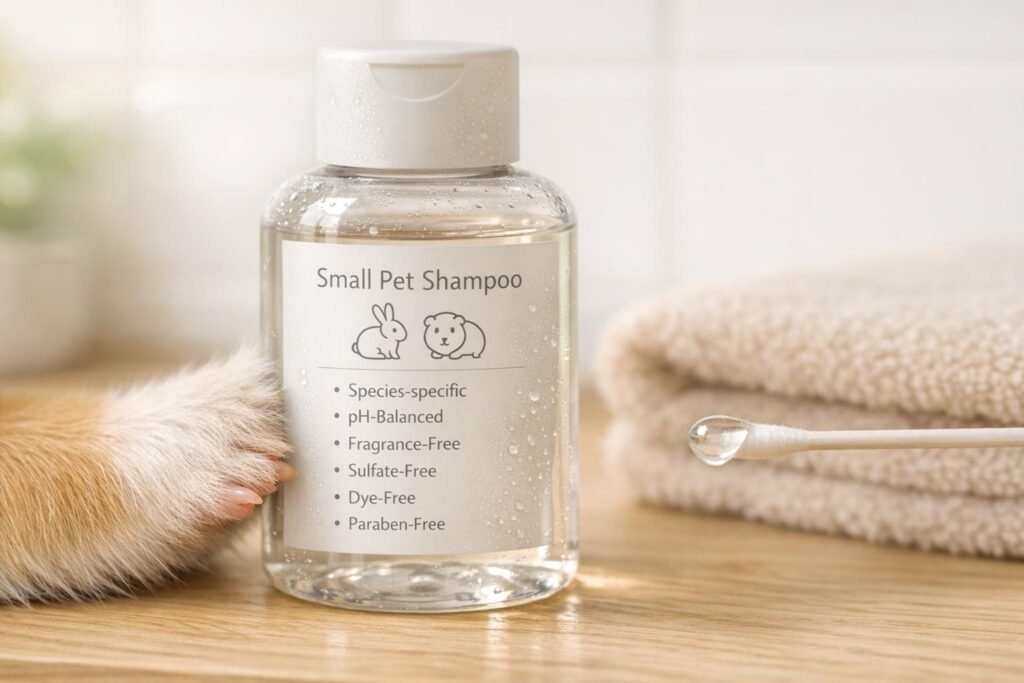

If you’re wondering whether your rabbit needs a special shampoo, the short answer is: No, rabbits don’t need regular baths or shampoos. In fact, bathing them can be harmful. Rabbits are self-grooming animals, and their natural cleaning habits usually keep them tidy without human intervention. However, there are rare situations – like severe soiling or medical conditions – where spot cleaning or specific rabbit-safe shampoos may be necessary.
Here’s what you need to know:
- Bathing is risky: Rabbits can experience stress, hypothermia, or injuries from full baths. Even "rabbit-safe" shampoos can sometimes be harmful.
- Spot cleaning is safer: Use lukewarm water and focus only on soiled areas, like the hindquarters during a "butt bath."
- Avoid human or pet shampoos: These can irritate a rabbit’s sensitive skin. Choose gentle, fragrance-free, non-toxic products designed for rabbits.
- Prevention is key: Regular brushing, a clean living space, and a fiber-rich diet reduce the need for cleaning.
- Consult a vet if needed: Persistent hygiene issues may signal health problems like obesity, arthritis, or dental issues.
Rabbits rarely need shampoo, and when they do, it should only be in specific cases with proper care. Always prioritize their comfort and health when handling grooming.
Rabbit Grooming Basics
Why Rabbits Don’t Need Regular Baths
Rabbits are naturally equipped to handle their grooming needs. Using their tongues and paws, they keep themselves clean and tidy without requiring human assistance. As Dr. Carolynn Harvey, DVM, puts it:
Rabbits are fastidious groomers.
When housed together, rabbits often groom one another, which further promotes cleanliness without any need for intervention. Additionally, rabbits shed their fur about every three months, alternating between lighter and heavier shedding periods. During these times, brushing is a much safer and more effective way to manage their grooming needs than giving them a bath. This self-sufficient grooming cycle highlights why baths are not only unnecessary but can also pose serious risks.
Dangers of Bathing Rabbits
Bathing a rabbit can lead to severe consequences, including shock, hypothermia, and even physical injuries. Margie Wilson and Betty Chu emphasize this point:
Baths are NEVER recommended. Too many bunnies have died in the middle of a bath. It lowers their temperature dramatically, causes undo stress, and is unnecessary.
Rabbits, being prey animals, are highly sensitive to stress. Submerging them in water can cause them to panic and thrash, which might result in broken limbs or even spinal injuries. Their dense fur also takes an extended time to dry, leaving them exposed to hypothermia, respiratory infections, and skin issues. Furthermore, bathing strips away the natural oils in their coat, which are essential for keeping their fur healthy. When a rabbit’s self-grooming habits are disrupted due to health problems, careful spot cleaning is a safer alternative.
When Owners Need to Help with Cleaning
There are instances when a rabbit may need assistance with grooming, especially if health problems hinder their ability to clean themselves properly. Conditions such as dental issues, arthritis, obesity, or urinary incontinence can make it difficult for a rabbit to reach certain areas, leading to fecal buildup or urine stains. If you observe these signs, it’s a red flag that your rabbit might need veterinary care. In such cases, opt for gentle spot cleaning rather than a full bath to address the issue without causing unnecessary stress or harm.
When Rabbits Actually Need Shampoo
Situations That Require Shampoo
Although rabbits are excellent self-groomers, there are certain situations where shampoo use becomes necessary. For instance, issues like "poopy butt" – when matted fecal matter accumulates because the rabbit can’t clean its rear – may require intervention. Other conditions include chronic incontinence leading to urine scald or exposure to sticky or harmful substances that can’t be removed with dry cleaning techniques. In some cases, problems like infections or excessive drooling can damage the skin, requiring medicated shampoos prescribed by a veterinarian . However, given the dangers of full baths, these situations must be handled with great care.
Spot Cleaning vs. Full Baths
When water is necessary, spot cleaning is almost always the safer choice. This method involves washing only the affected area, such as performing a "butt bath" in a shallow basin with 1 to 2.5 inches of lukewarm water. This approach helps reduce stress and lowers the risk of hypothermia . Full baths, on the other hand, can cause extreme stress and dangerous temperature fluctuations, making them a last resort .
As WabbitWiki puts it:
If your rabbit needs a bath, something is wrong. You should find the cause of the problem, or it will consistently reoccur.
Before using water, always try a dry bath first. Baby cornstarch (never talc) is a safe option for clumping and removing debris from the fur . If cleaning becomes a frequent necessity, it’s time to consult a professional.
Getting Veterinary Guidance
Frequent cleaning needs could point to underlying health problems such as arthritis, dental issues, bladder stones, or obesity. It’s crucial to consult a veterinarian for a proper diagnosis before using medicated shampoos or treatments for fleas and mites . As Kathleen Wilsbach advises:
It is always best to consult your veterinarian rather than attempting home diagnosis and treatment.
Improper cleaning can cause severe stress, which can be life-threatening for rabbits. If you notice unusual symptoms like bald spots (not related to normal shedding), dandruff-like flakes, open sores, lumps, or ongoing inflammation, seek veterinary care immediately . Never bathe a sick rabbit unless your vet explicitly recommends it, as the stress could be fatal.
How to safely bathe your rabbit if you really need to
What Makes Shampoo Safe for Rabbits
Once you’ve determined when it’s appropriate to use shampoo on your rabbit, the next step is understanding which formulas are safe for their delicate skin.
Shampoos to Avoid
Never use shampoos made for humans, dogs, or cats on rabbits. Even products labeled as "gentle" or "baby shampoo" are too harsh. Dr. Dana Krempels explains:
Rabbit skin is far more delicate and sensitive than human skin. Even baby shampoo is too harsh, and can make the problem worse, not better.
The pH levels in these products can lead to severe dryness, irritation, or allergic reactions in rabbits. Additionally, shampoos containing synthetic detergents can strip away the natural oils rabbits need to maintain healthy skin.
One particularly dangerous ingredient is fipronil, commonly found in flea treatments like Frontline. While safe for dogs and cats, it can cause neurological damage and even death in rabbits. Similarly, medicated shampoos, flea dips, or treatments designed for other animals should never be used unless specifically prescribed by a rabbit-savvy veterinarian.
Characteristics of Safe Rabbit Shampoos
Knowing what to avoid makes it easier to identify products that are safe for rabbits. A good rabbit shampoo should be gentle, fragrance-free, and non-toxic. Since rabbits groom themselves frequently, any product used must be safe if ingested to prevent digestive issues.
Safe shampoos rely on natural, soothing ingredients rather than harsh chemicals. Look for formulas that use saponified oils like coconut, olive, or castor oil, which cleanse without stripping essential oils from the skin. Ingredients such as organic aloe juice, vitamin E (tocopherol), calendula extract, and chamomile are excellent for protecting and nourishing a rabbit’s sensitive skin.
Avoid products with synthetic fragrances, dyes, alcohol-based ingredients, or harsh chemicals like sodium lauryl sulfate. The best options are detergent-free and contain minimal additives.
Types of Rabbit Cleaning Products
When selecting a cleaning product, it’s helpful to understand the different types that meet these safety standards.
- Liquid shampoos: These are specifically designed for small animals, like J.R. LIGGETT’S Liquid Small Animal Shampoo (8.45 oz, $9.99). While effective, they require thorough rinsing and careful drying, so they should only be used when absolutely necessary.
- Waterless foam or spray shampoos: These are generally safer and less stressful for rabbits. Products like PetPotion™ Calm Organic Waterless Bunny Shampoo (5.5 oz, $25.97) allow for quick "mist and wipe" cleaning without the need for soaking. They’re ideal for spot cleaning small messes.
- Baby cornstarch: For dry cleaning, baby cornstarch (not talc) is the safest option. Sprinkle it on soiled areas, work it through the fur, and then comb it out. This method avoids water altogether while effectively removing dirt and grease.
sbb-itb-e212914
How to Use Rabbit Shampoo Properly
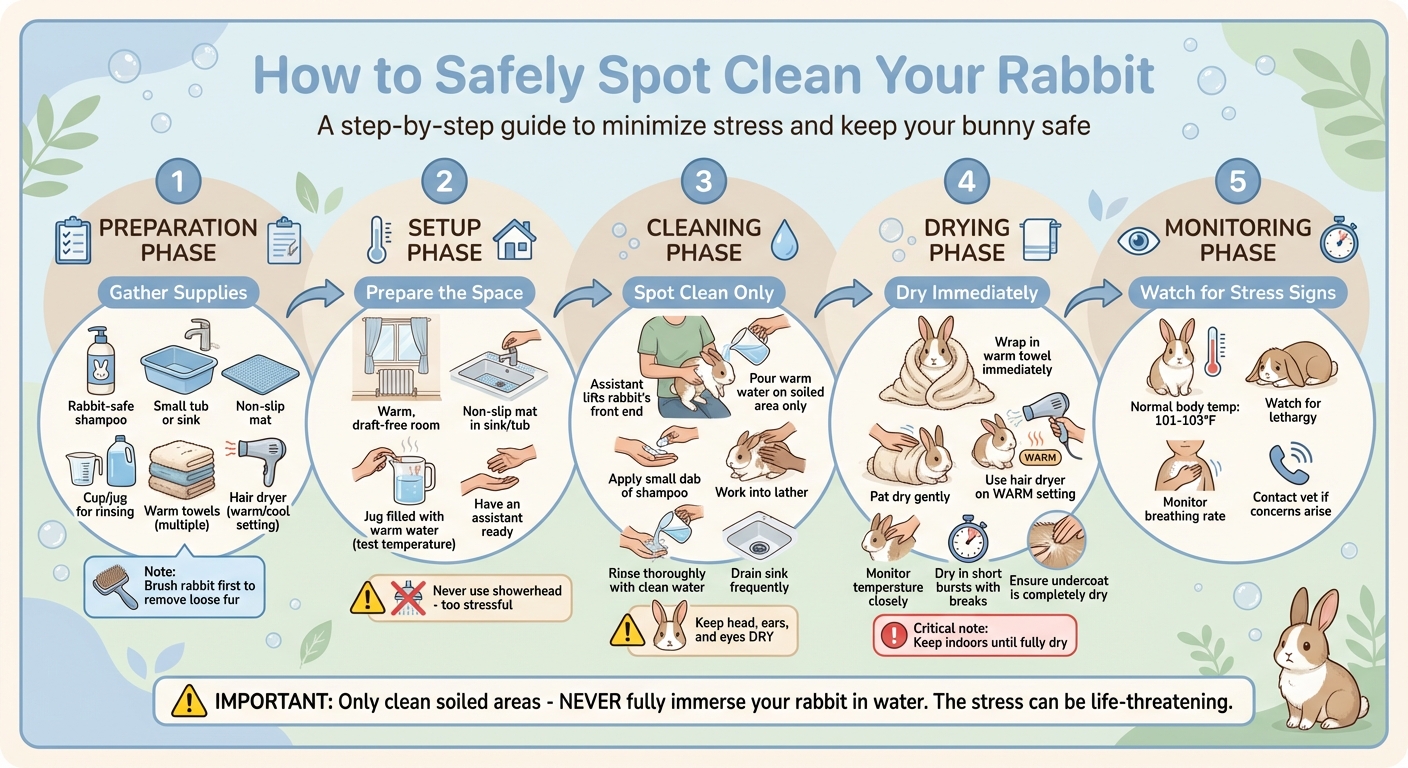
Safe Rabbit Spot Cleaning Step-by-Step Guide
When it comes to cleaning your rabbit, using shampoo safely and effectively is critical. Rabbits are delicate creatures, and unnecessary stress can lead to serious health risks. Since they’re prey animals, even minor stressors like water exposure can cause panic, potentially resulting in injuries like spinal fractures or limb damage. The goal is to keep water exposure to a minimum and handle your rabbit with care.
Getting Ready to Clean Your Rabbit
Preparation is key to ensuring the cleaning process goes smoothly. Gather everything you’ll need in advance: rabbit-safe shampoo, a small tub or sink, a non-slip mat, a cup or jug for rinsing, several warm towels, and a hair dryer set to "warm" or "cool". Before starting, brush your rabbit to remove loose fur and pinpoint the areas that require cleaning.
Set up in a warm, draft-free room to keep your rabbit comfortable. Place the non-slip mat in the sink or tub to provide stable footing. Fill a jug with warm water – make sure it’s comfortably warm to the touch. Avoid using a showerhead, as the noise and pressure can be overwhelming for rabbits.
Having an assistant is highly recommended. One person should securely hold the rabbit while the other focuses on cleaning. This teamwork ensures the process is both safe and efficient.
Cleaning Process Step by Step
When cleaning, focus only on the soiled areas – never immerse your rabbit fully in water. For situations like a "butt bath", your assistant can gently lift the rabbit’s front end, exposing just the hindquarters to the water. Pour warm water over the dirty area, apply a small dab of shampoo, and work it into a lather. Rinse thoroughly by pouring clean water over the spot; it’s important to remove all shampoo residue. Be sure to drain the sink frequently to prevent water from pooling.
Keep your rabbit’s head, ears, and eyes completely dry unless your vet advises otherwise. Speak softly and work calmly but efficiently to minimize stress.
Caring for Your Rabbit After Cleaning
After cleaning, proper care is crucial to keep your rabbit safe and comfortable. Wrap your rabbit in a warm towel immediately and gently pat them dry. Use a hair dryer on the "warm" setting, but monitor the temperature closely – rabbit skin is very sensitive.
Dry your rabbit in short bursts, allowing breaks in a warm area to prevent overheating. Ensure the undercoat is completely dry, as damp fur can lead to hypothermia or respiratory issues. Until your rabbit is fully dry, keep them indoors, even if they usually live outside. Remember, a rabbit’s normal body temperature ranges between 101°F and 103°F, and wet fur can cause rapid heat loss.
Keep an eye out for signs of stress. If your rabbit seems unusually lethargic or continues breathing rapidly after drying, reach out to your veterinarian without delay. Their well-being always comes first.
Other Ways to Keep Rabbits Clean
Cleaning Without Shampoo
Keeping your rabbit clean doesn’t always mean reaching for the shampoo. Simple grooming habits and maintaining a clean environment can do wonders. Start with regular brushing – once a week for short-haired rabbits and daily for long-haired ones. This helps remove loose fur before your rabbit swallows it during self-grooming, which is especially important since rabbits can’t vomit, and ingested hair can lead to dangerous blockages.
For small dirty spots, baby cornstarch (not talc) works well for light cleaning. Unscented baby wipes or a damp cloth can also handle surface dirt.
Pay attention to your rabbit’s scent glands, located near the genitals. Use a Q-tip dipped in warm water to gently clean away the brown, waxy buildup. During heavy shedding seasons – about every three months – pluck out loose clumps of fur with your hands to prevent matting or ingestion.
Preventing Hygiene Problems
Preventing hygiene issues is just as important as cleaning. Start with a clean living space. Daily spot-cleaning of the litter box and a thorough weekly cleaning of the habitat can keep your rabbit’s fur free of urine or feces. The cleaner their environment, the less likely they’ll need any sort of bath.
A fiber-rich diet, primarily made up of Timothy and oat hay, supports healthy digestion and prevents issues like "poopy butt", which results from soft stools. Managing your rabbit’s weight is also crucial. Overweight rabbits often struggle to groom their hindquarters, leading to persistent hygiene problems. As Rabbit Hole Hay puts it:
The best way to avoid the stress of bathing is to keep your rabbit clean in the first place. Regular grooming and a proper diet play a big role in this.
Knowing When to See a Vet
Sometimes, cleanliness issues can point to more serious health problems that require a vet’s attention. If your rabbit has persistent soiling of the hindquarters, it’s time to consult a veterinarian. This could indicate issues like arthritis, obesity, dental pain, or even bladder stones.
Keep an eye out for warning signs such as bald patches with flaky skin, watery eyes, nasal discharge, or open sores. If your rabbit stops grooming itself or develops chronic skin inflammation, don’t ignore it. As the Rabbit Welfare Association & Fund advises:
A trip to the vet is necessary to try to isolate any underlying problems so the situation can be rectified.
In emergencies like flystrike – where flies lay eggs or maggots infest your rabbit – seek immediate veterinary care. Never try to clean this yourself. By combining regular grooming, preventive care, and timely vet visits, you can keep your rabbit healthy and avoid the need for stressful full baths.
Conclusion
Rabbits are natural self-groomers, so they rarely need special shampoos or full baths. In fact, giving a rabbit a full bath can be dangerous, causing extreme stress that may lead to shock or even fatal injuries. As Dr. Carolynn Harvey, DVM, explains:
Bathing of rabbits, in general, is strongly discouraged because the stress of the bath itself can cause serious health problems, and has in some cases been linked to the death of the rabbit.
The key to keeping your rabbit clean lies in prevention. Regular brushing – weekly or even daily during heavy shedding seasons – helps remove loose fur and keeps their coat in good condition. Combine this with a clean living space and spot-cleaning techniques, such as using baby cornstarch or unscented wipes, and you’ll avoid the risks associated with full baths. If your rabbit stops grooming itself, it’s important to consult a veterinarian, as this could signal an underlying health issue.
To learn more about rabbit care and safe grooming methods, check out Little Pet Corner. By understanding and respecting your rabbit’s natural grooming instincts, you’ll help ensure their health and happiness.
FAQs
Why is it dangerous to bathe rabbits?
Bathing rabbits can pose serious risks. When wet, rabbits often panic, leading to frantic movements that could result in injuries like fractured spines or limbs. Their dense fur also takes a long time to dry, increasing the chances of hypothermia or developing respiratory infections. A safer alternative is spot-cleaning with a damp cloth when necessary, keeping them calm and out of harm’s way.
What are safe ways to clean a rabbit without bathing it?
Rabbits are naturally tidy creatures and rarely require full-body baths, which can actually do more harm than good. Instead, keeping your rabbit clean is all about regular grooming and targeted care. Start with brushing to remove loose fur and prevent tangles. This not only keeps their coat smooth but also reduces the risk of fur ingestion, which can lead to health issues.
If your rabbit gets dirty in specific areas, like the hindquarters, spot-cleaning is the way to go. Use a damp washcloth or an unscented baby wipe to gently clean the dirty spot. Afterward, pat the area dry with a towel to avoid any chilling.
For more stubborn messes, a dry bath using unscented cornstarch powder works wonders. Sprinkle a bit of powder onto the fur, gently massage it in, and then brush it out. This helps absorb moisture and neutralize any odors. In rare cases, if a deeper clean is needed, you can try a wet spot-clean with lukewarm water and a small amount of rabbit-safe shampoo. Just make sure to dry your rabbit thoroughly and keep them warm afterward.
By focusing on brushing, spot-cleaning, and the occasional dry or wet bath, you can keep your rabbit feeling fresh and comfortable without causing unnecessary stress.
When should I take my rabbit to the vet for hygiene concerns?
If your rabbit is dealing with hygiene problems beyond what regular grooming can handle, it’s time to reach out to a rabbit-savvy veterinarian. Keep an eye out for warning signs like persistent hair loss, bald spots, irritated or crusty skin, or excessive fur chewing. These symptoms might signal issues such as hormonal imbalances, nutritional gaps, arthritis, or skin infections – all of which need expert care.
Another concern is a messy or bad-smelling bottom, often caused by runny stool or urine leakage. This could point to deeper problems like dental issues, digestive troubles, or urinary infections. A veterinarian can conduct a thorough examination, including checking your rabbit’s teeth and possibly running blood tests, to pinpoint and address the underlying cause.
Also, don’t ignore sudden changes in your rabbit’s coat, scabs, dandruff-like flakes, or signs of parasites. Even if you’re not sure, a quick trip to the vet can catch potential problems early and help ensure your rabbit stays in good health.