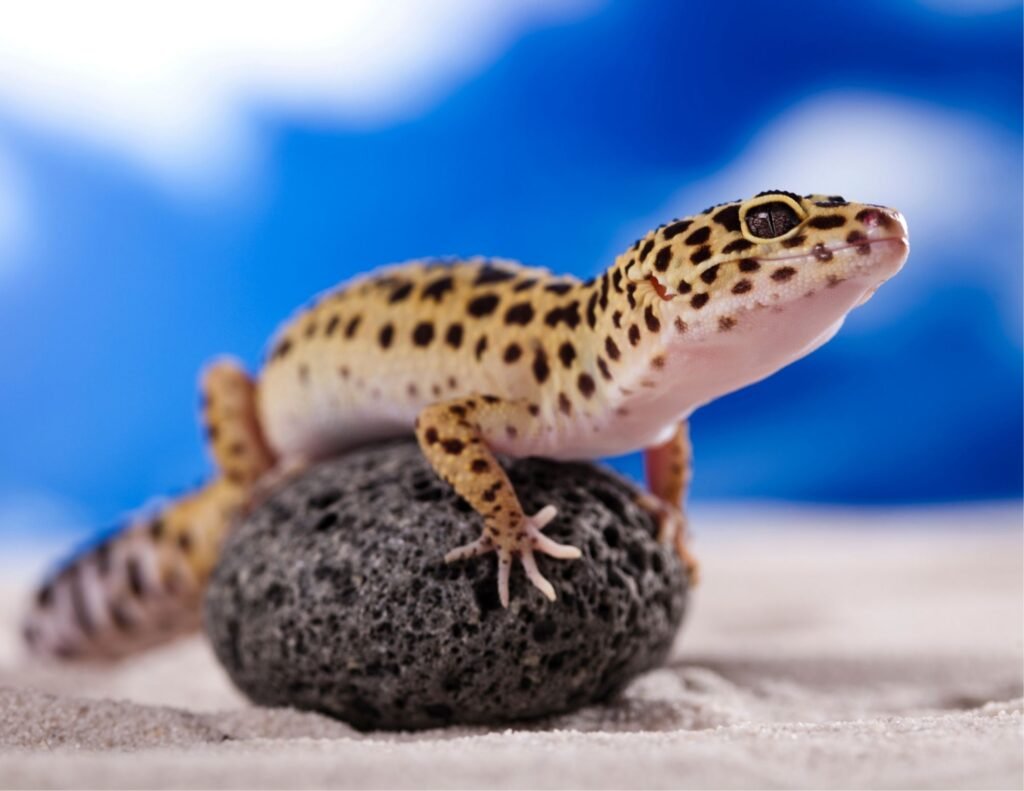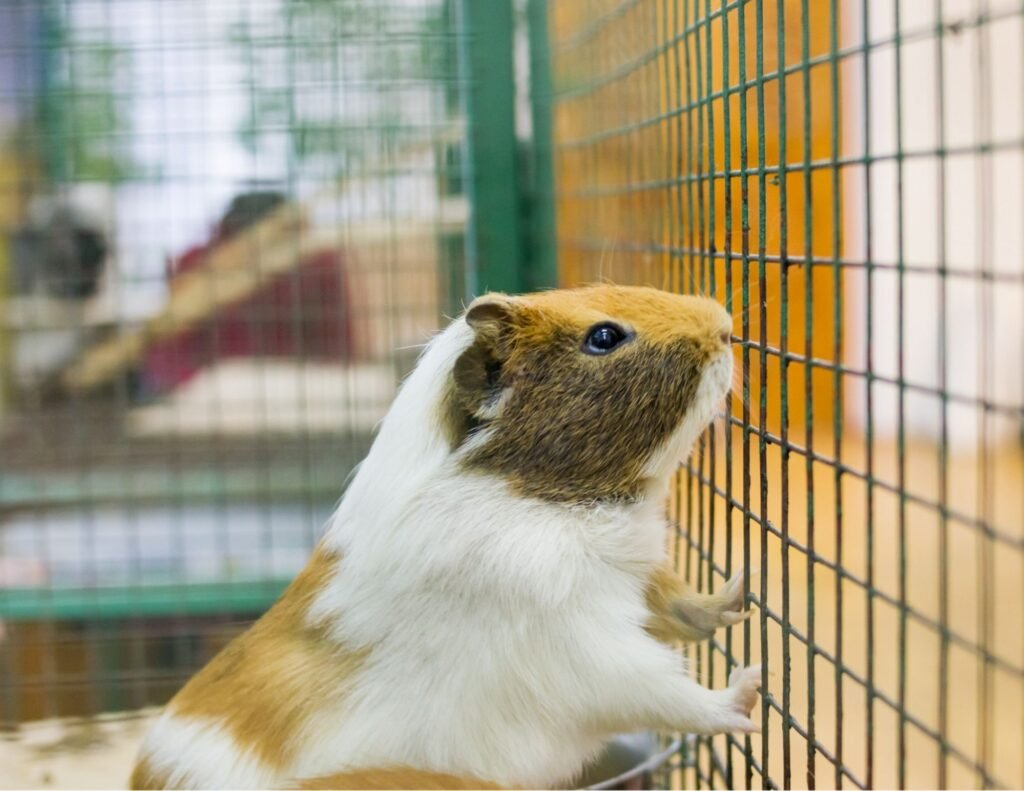

Small pets, like hamsters, rabbits, and guinea pigs, need more than just food and shelter to stay healthy – they need mental and physical stimulation too. Without it, they can become bored or stressed, leading to harmful behaviors like bar chewing, overgrooming, or even health issues like obesity and weakened immune systems. Enrichment toys are a simple way to keep your pet engaged, happy, and active by mimicking their natural instincts, such as foraging, digging, and climbing.
Key Takeaways:
- Why It Matters: Lack of stimulation can cause stress, boredom, and health problems in small pets.
- What They Do: Enrichment toys encourage natural behaviors like chewing, burrowing, and problem-solving.
- How They Help: Toys reduce stress, prevent destructive habits, and promote physical activity for better health.
- Safety Tips: Choose non-toxic materials, avoid sharp or broken toys, and rotate toys regularly to keep pets interested.
From puzzle feeders to tunnels and chew toys, these items can transform your pet’s daily routine into an engaging and healthy experience. Let’s dive into how you can choose the right toys and improve your pet’s quality of life.
DIY Small Pet Enrichment Toys
The Risks of Under-Stimulation in Small Pets
When small pets don’t get enough stimulation, the consequences can go far beyond simple boredom. A review of 214 studies revealed that traditional, non-enriched housing significantly increases illness and mortality rates in rodents. This is largely linked to weakened immune systems caused by reduced natural-killer cell activity. Katie James, dvm360 Associate Content Specialist, highlights the serious implications:
"A lack of environmental enrichment can lead to behavioral and health issues, which often end with the pet being relinquished to a shelter or rescue because the pet owner can’t handle the pet anymore".
Let’s take a closer look at the behavioral signs that indicate your pet might be struggling.
Signs Your Pet Is Bored or Stressed
Under-stimulated pets often exhibit behaviors that signal distress. For instance, mice and gerbils may chew on bars, birds might scream or pluck their feathers, sugar gliders could chew on their limbs, rabbits might excessively groom themselves (sometimes causing hair loss), and ferrets might become lethargic and gain weight. Dr. Laurie Hess, DVM, DABVP, explains how these behaviors can create a difficult cycle:
"The bird reaches sexual maturity and then it starts screaming and biting because it’s frustrated and wants more attention… The bird isn’t fun anymore, so the pet owner doesn’t want to be with it as much, which leads to more cage time. It’s kind of a vicious cycle".
Another concerning sign is prolonged inactivity while the pet’s eyes remain open, which can indicate chronic stress. Social species like rats, guinea pigs, and rabbits are particularly vulnerable; without companionship, they may become deeply depressed, and some rodents might even develop aggressive tendencies due to a lack of mental stimulation.
Why Small Pets Are More Vulnerable
These behavioral signs often stem from a deeper issue: the conflict between a pet’s natural instincts and the limitations of domestic life. For example, wild hamsters travel long distances each night, but many captive hamsters are confined to spaces that don’t meet their roaming needs. Similarly, wild rabbits spend about 70% of their waking hours feeding and foraging. When this instinct isn’t supported through enrichment, they may develop repetitive or compulsive behaviors. Interestingly, studies even show that rabbits might prioritize social interaction over food.
Because humans control every aspect of a pet’s environment, a lack of thoughtful enrichment can directly lead to psychological distress. For instance, guinea pigs without proper hiding spots tend to freeze more often – a clear sign of severe stress. Many small pets are also prey animals, which means they rely on secure hiding places or social groups to feel safe. Without these, they can remain in a state of constant high alert. Over time, this chronic stress not only impacts their behavior but also takes a toll on their physical health.
How Enrichment Toys Benefit Small Pets
Enrichment toys play a crucial role in keeping small pets happy and healthy by providing much-needed mental and physical stimulation. These toys not only entertain but also encourage natural behaviors, promoting a better quality of life for your furry companions.
Mental Stimulation and Problem Solving
Enrichment toys transform routine activities into brain-boosting exercises that keep your pet mentally sharp. Take puzzle feeders, for instance – they turn mealtime into a fun and rewarding challenge. Instead of simply eating from a bowl, pets engage in acquiring and manipulating their food. Dr. Liz Stelow, Chief of the Behavior Service at UC Davis Veterinary Hospital, explains:
"Satiety does not come from inhaling food and moving on. It comes from acquiring, manipulating, and consuming the food".
Foraging toys are another great example. They mimic natural hunting behaviors, encouraging pets to sniff, chase, and manipulate objects, which helps them solve problems rather than just react. Research even shows that mice living in enriched environments – complete with running wheels, tunnels, and chewable materials – experience fewer cognitive issues compared to those in bare cages. And it’s not just younger pets that benefit – senior animals also show improved mental health when regularly engaged with puzzles and other stimulating activities.
Dr. Sandra Mitchell, a veterinarian, highlights the importance of variety:
"Rats are fast to learn what is in the confines of their cages, so they rely on us to provide enough variety to keep them mentally stimulated".
Simple activities like hiding food around the cage, scattering it instead of using a bowl, or stuffing hay into toilet paper rolls can keep your pet mentally engaged for hours. These small challenges sharpen their minds and contribute to their overall well-being.
Stress Relief and Anxiety Reduction
Keeping a pet’s mind active doesn’t just fight boredom – it also helps reduce stress and anxiety. Enrichment toys provide productive outlets that can calm anxious behaviors. Chew toys made from safe materials like apple wood, willow, or seagrass allow pets to satisfy their natural chewing instincts, preventing them from gnawing on furniture or wires. For rabbits, who spend a large portion of their day foraging in the wild, these toys replicate their instinctive behaviors and help burn off excess energy.
Hiding structures and tunnels are essential for prey animals like guinea pigs and rabbits. These provide a sense of security and a safe retreat when they feel threatened. Similarly, digging pits filled with child-safe sand or shredded paper let gerbils and rabbits indulge in natural burrowing behaviors, which can promote emotional balance. Studies have even found that foraging activities can reduce aggression in rats.
To keep things exciting, rotate toys regularly. Introducing a "new" toy every few days and temporarily removing older ones helps maintain interest and prevents boredom-induced stress. Start with simpler toys to avoid frustration, gradually increasing the difficulty as your pet becomes more skilled. These stress-relieving activities are key to supporting your pet’s emotional health.
Physical Activity and Health
Physical activity is just as important as mental stimulation, and enrichment toys encourage movement that helps small pets stay fit. Tunnels, tubes, and climbing branches promote natural behaviors like hopping, stretching, and climbing. For highly energetic rodents, exercise wheels offer a safe way to burn off energy – wild Roborovski hamsters, for example, can run distances equal to three marathons in a single night.
Foraging toys also support weight management by encouraging pets to "work" for their meals. Scatter feeding or hiding food in cardboard tubes and hanging baskets mimics the natural behaviors of rabbits, which might roam vast areas in the wild. Briony, a nutritionist, underscores the importance of movement:
"Small pets need constant movement in order to prevent obesity, meaning enrichment toys are a great way of promoting movement and exercise".
Chewing toys are vital for pets like rabbits, guinea pigs, chinchillas, and degus, which have continuously growing teeth. These toys provide the abrasion needed to maintain dental health and prevent overgrowth. For climbing species like chinchillas and mice, adding vertical elements like shelves and ropes maximizes cage space and encourages natural climbing behaviors. These physical activities ensure your pet stays healthy and full of energy.
sbb-itb-e212914
Choosing the Right Enrichment Toys for Your Pet
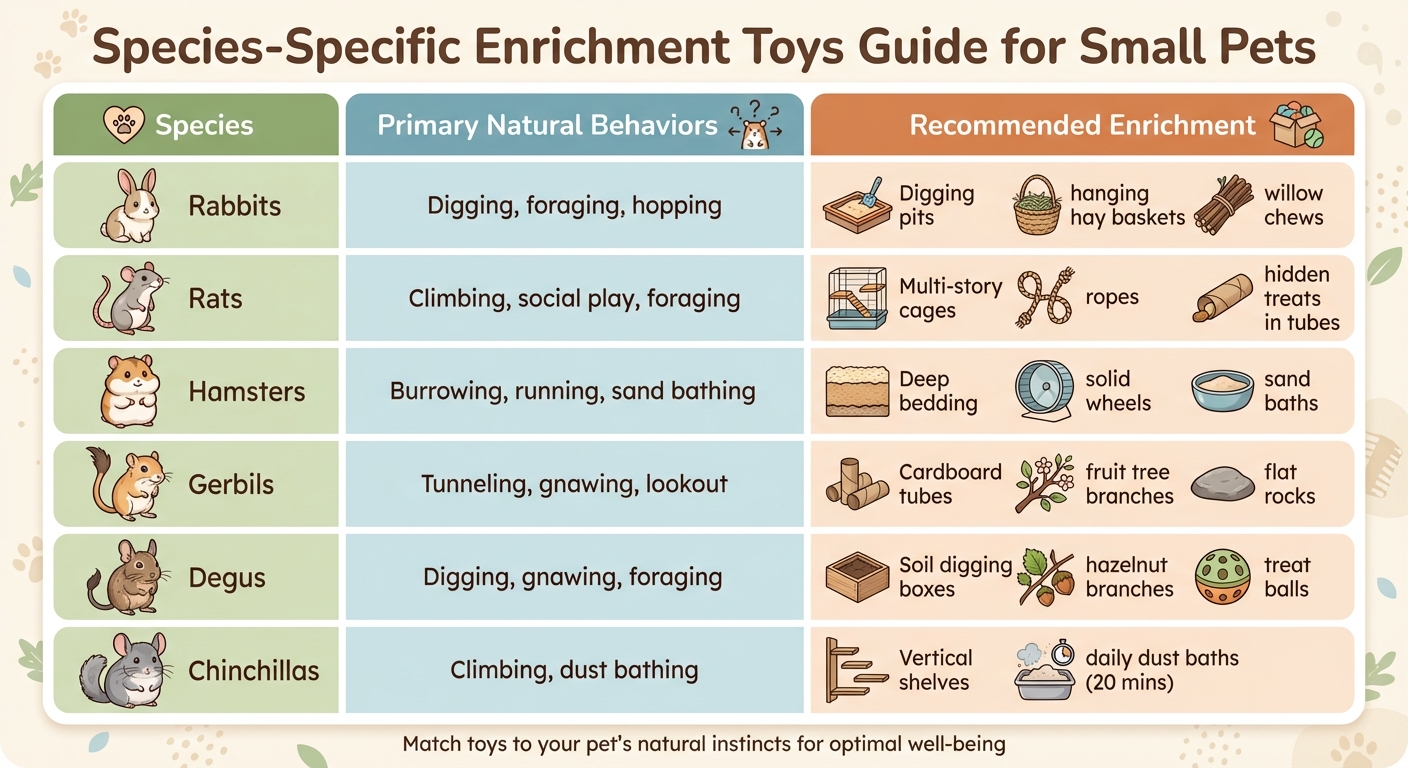
Species-Specific Enrichment Toys Guide for Small Pets
Matching Toys to Your Pet’s Natural Behaviors
To get the most out of enrichment toys, it’s essential to match them to your pet’s natural instincts. Each species has unique behaviors that can be supported through specific types of enrichment. For instance, rabbits love to forage and dig, while hamsters thrive on burrowing and running. The table below offers tailored recommendations for various pets:
| Species | Primary Natural Behaviors | Recommended Enrichment |
|---|---|---|
| Rabbits | Digging, foraging, hopping | Digging pits, hanging hay baskets, willow chews |
| Rats | Climbing, social play, foraging | Multi-story cages, ropes, hidden treats in tubes |
| Hamsters | Burrowing, running, sand bathing | Deep bedding, solid wheels, sand baths |
| Gerbils | Tunneling, gnawing, lookout | Cardboard tubes, fruit tree branches, flat rocks |
| Degus | Digging, gnawing, foraging | Soil digging boxes, hazelnut branches, treat balls |
| Chinchillas | Climbing, dust bathing | Vertical shelves, daily dust baths (20 mins) |
Choosing toys that align with these natural behaviors not only keeps your pet entertained but also promotes their physical and mental well-being.
Safety Considerations
When it comes to pet toys, safety should always come first. For example, avoid exercise wheels with spokes or wire mesh, as they can cause severe injuries to your pet’s feet or limbs. Dr. Liz Stelow emphasizes the importance of solid-surface wheels, which are much safer for small pets.
Materials also matter. Stick to non-toxic, pesticide-free woods for chewing. According to VCA Animal Hospitals:
"If a pet chews off pieces of a product, the product is not recommended for them. Even if not swallowed, hard products (hard plastic, bones, etc.) can cause injuries to our pets’ teeth".
Always supervise your pet when introducing a new toy and check regularly for signs of wear or damage. Broken toys or those chewed into sharp edges should be discarded immediately. Additionally, if your pet spends time outside their enclosure, make sure the area is safe by covering electrical wires and removing hazards like handles on paper shopping bags.
Rotating Toys to Maintain Interest
Even the most engaging toy can lose its charm if it’s always available. Rotating toys every few days can keep your pet excited and mentally stimulated. Dr. Sandra Mitchell suggests:
"You can put a ‘new’ toy in the cage every few days and take an ‘old’ one out for a few weeks; when you bring the ‘old’ toy back, your pet rats will feel like it is brand new again".
Consider setting up a "toy library" with a variety of options. During routine cage cleaning, swap out one toy for another to keep things fresh. While staple items like running wheels or hiding lodges can stay in the enclosure, moving them around occasionally adds variety. Start with simple toys that have large dispensing holes to avoid frustration, and gradually introduce more challenging options as your pet becomes more skilled. This rotation strategy not only prevents boredom but also helps curb destructive behaviors, ensuring a happier and healthier pet.
Conclusion
Enrichment toys play a key role in promoting the well-being of small pets. Without these, animals like rabbits, hamsters, rats, or guinea pigs can face chronic boredom and stress, which often lead to behavioral problems and even physical health issues. As Dr. Sandra Mitchell explains, "A content, happy rat is also more likely to be less stressed and healthier". This insight highlights the importance of creating enrichment activities tailored to your pet’s natural behaviors.
To tackle these challenges, focus on toys and activities that tap into your pet’s instincts. For instance, foraging is a powerful way to keep them engaged – replace the traditional food bowl with scatter feeding or foraging toys. This simple change can make mealtime more stimulating and satisfying.
Don’t overlook safety. Choose solid wheels, non-toxic materials like untreated wood, and inspect toys frequently to ensure they remain safe. Rotating toys every few days is another effective way to keep their environment fresh and engaging without spending extra money.
FAQs
What types of toys are best for keeping my small pet happy and active?
The best enrichment toys for small pets are those that tap into their natural instincts like exploring, chewing, climbing, and foraging. Tunnels and tubes – whether made of PVC, plastic, or even simple paper towel rolls – offer a fun way for rabbits and rodents to burrow and navigate their space. Climbing structures like ladders, rope bridges, and hammocks add vertical variety, giving pets the chance to exercise and engage in natural climbing behaviors. For pets that thrive on running, solid-surface exercise wheels (around 11 inches for rats) provide a safe and stimulating option.
Chew toys are a must-have for pets that need to gnaw regularly. Affordable choices include untreated wooden chews, cardboard boxes, and paper towel rolls. You can also get creative with DIY foraging toys – fill cardboard tubes with treats or hay and hang them in the cage for added fun. For a challenge, try rolling treat dispensers made from folded tubes to encourage problem-solving.
Activities can also play a big role in enrichment. Scatter hay or pellets around the cage to promote foraging, or hang root vegetables for a playful feeding challenge. Don’t forget, social interaction is just as important – whether it’s time spent with a compatible cage-mate or regular playtime with you. By combining engaging toys with interactive activities, you’ll keep your pet both physically active and mentally sharp.
How can I tell if my small pet is bored or stressed?
Boredom and stress can affect small pets in ways that might look similar, but certain behaviors can help you identify the issue. Common signs include repetitive actions like pacing, circling, bar-biting, or excessive chewing. Cats might meow constantly, over-groom themselves, or make unusual vocal sounds. For birds, rodents, and other exotic pets, behaviors like screaming, twitching, or even self-harm can be warning signs. More subtle indicators, such as a loss of appetite, hiding, aggression, or reduced activity, could also signal that something is off.
One way to stay on top of your pet’s well-being is by keeping a daily log of their behavior – tracking things like eating habits, activity levels, and social interactions. If you notice patterns of repetitive or withdrawn behavior, consider introducing enrichment activities. Adding tunnels, foraging puzzles, or rotating their toys can make a big difference in reducing stress and keeping your pet active and content.
What should I consider to ensure my pet’s toys are safe?
When picking out toys for your small pet, their safety should always be your top priority. Opt for items made from non-toxic, untreated materials, and steer clear of anything that might splinter, break into tiny pieces, or contain harmful chemicals. If you’re making DIY toys, plain cardboard or untreated paper tubes can be a great choice. However, avoid materials with coatings, ink, tape, or sticky labels, as these can pose a serious risk if your pet decides to chew on them.
For store-bought toys, size matters. Tunnels or tubes should be roomy enough to prevent your pet from getting stuck, and exercise wheels should have solid running surfaces to protect their feet and tails. Pay attention to details – smooth edges, secure ladders and ropes, and materials free from sharp points or splinters are essential. If you’re using an exercise ball, always supervise your pet closely, ensure it has proper ventilation, and be alert for any signs of overheating.
Make it a habit to inspect all toys regularly. If you spot any damage or wear, swap them out immediately. These simple steps can go a long way in keeping your pet safe while giving them the fun and stimulation they need to thrive.