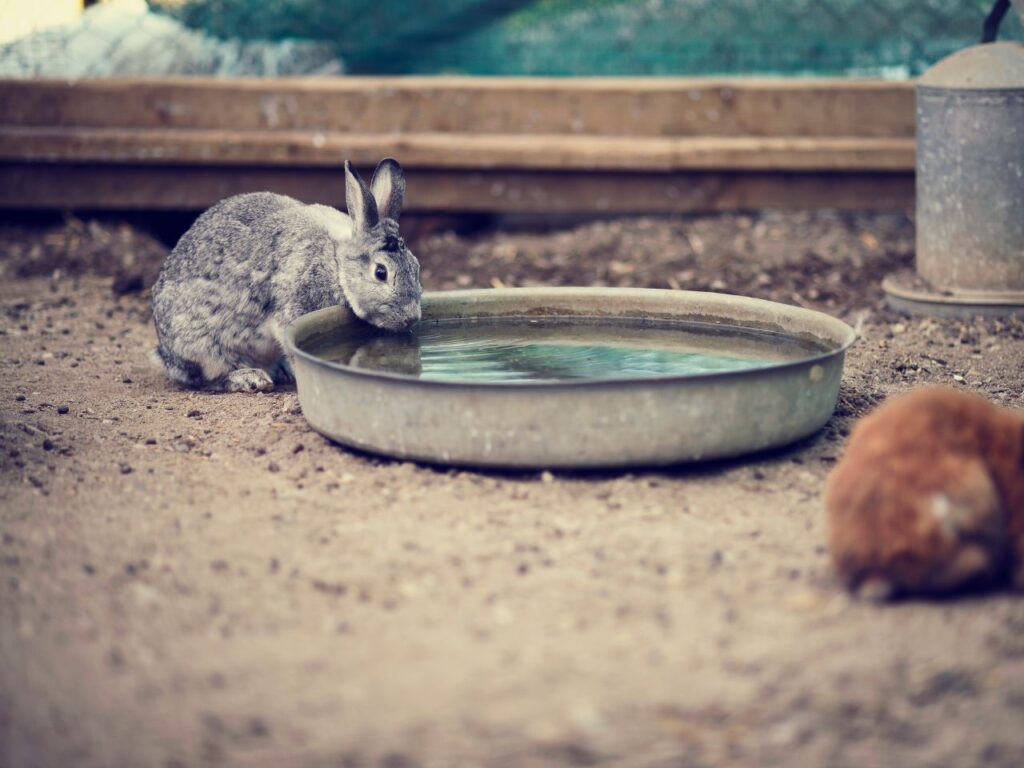
Regardless of the animal you have, you always want them to eat and drink healthily. However, sometimes that is not always the case, and you might notice that your rabbit is not drinking any water. This can cause several concerns, especially if you have never had a sick pet before. So, what kind of things should you do if your rabbit is not drinking water?
There are several things you can do, such as providing a bowl and a water bowl, placing fragrant herbs in the water, and ensuring the water is not too warm. However, the most important thing to do is ensure they are not sick or experiencing any similar issues. If that is the case, take them to the veterinarian right away to ensure they do not have a condition such as GI stasis or a similar issue.
Today, we will discuss different ways to help your rabbit drink more water, some reasons they may not be drinking enough water, and some symptoms of a dehydrated rabbit. Even if your rabbit is exceptionally healthy, it is essential to be aware of the symptoms ahead of time so you can be prepared for any potential issues.

8 Ways to Help Your Rabbit Drink More Water
We will review eight ways to help your rabbit drink more water. Mind you, not everything will work for your rabbits, so make sure you try different methods and ways to ensure your rabbit gets fluids down its body.
1. Add Some Drops of Unsweetened Fruit Juice
If you add a little bit of unsweetened fruit juice to your rabbit’s drink, they might be more prone to drinking it due to the flavors and sweeteners that are in there. Provide at least half a teaspoon of apple juice, pineapple juice, or carrot juice to the entire water bowl.
It is essential not to give them too much juice, as this will add a significant amount of sugar to their diet. However, making sure they get some can encourage them to drink more. Be sure to change the water daily to keep it fresh, especially if you choose this method.
2. Put Some Water on Their Daily Greens
Suppose you provide your rabbit fresh greens each day (kale, dandelion, lettuce, etc.) In that case, you can dip them in water, wash the food, but do not pat it dry.
Instead, we encourage you to leave the water on the leaves, as when your rabbit eats them, they will also be taking in some water into their body. It is essential to do the same thing if you offer any other fruits and vegetables too.
For example, if you give your rabbit some apples, do the same method as we mentioned above. Even if your rabbit is drinking healthy, this is still a good alternative way to replenish some fluids in their body.
Another note to add is to use longer lettuce leaves to scoop up water, which will encourage them to drink more as well. Additionally, your rabbit may drink the water that remains after consuming the treat, so be sure not to clean the bowl immediately afterwards.
3. Do Not Give Warm Water
There are very few people in life who enjoy drinking warm water casually, so it is essential to provide them with room-temperature water. Additionally, if a rabbit sees warm water, it will most likely not trust it and stay away from it anyway.
Another thing to keep in mind is that rabbits should not be in direct sunlight. If you have your rabbit near a window and keep the blinds open that face them directly, then the odds are that their food, water, and even themselves might get too hot, turning it into an uncomfortable environment for them to live in.
4. Provide Both a Bowl and a Water Bottle
Some rabbits do not prefer a water bottle, and other rabbits do not like a bowl to drink out of. However, the natural way for your rabbit to drink is out of a bowl.
Some rabbit owners may not like using bowls because their rabbit will knock them down fairly quickly, causing a mess in their cage and a bit of frustration on their end. In this case, it might be wise to buy a heavy ceramic dish so you can limit this from happening. Be sure to clean the bowls regularly to prevent mold or mildew from accumulating over time.
Additionally, you can invest in an automatic water dispenser to get the best of both worlds. Not only will the water bottle be out of the cage, but your rabbit will not be able to knock it over due to being attached to the cage itself.
Additionally, the water will automatically replenish, ensuring a constant supply of fresh water. Of course, you will have to refill the bottle, but it’s a good ‘work smarter, not harder’ alternative.
5. Put Natural Fragrant Herbs Inside the Bowl of Water
Adding natural, fragrant herbs to their bowl is similar to adding a bit of juice to their water. The biggest difference is that herbs can come from almost anywhere, whereas juice comes mainly from the store (unless you are ambitious and decide to make it yourself, of course).
You can add herbs like thyme, oregano, parsley, and dandelion to the water, which will give it a distinct flavor compared to plain water. However, try avoiding pungent herbs like peppermint, basil, or lemon balm.
It is also essential to ensure that neither you nor someone else has sprayed the lawn with pesticides, herbicides, or similar substances. For example, most people consider dandelions weeds, so they typically spray them. If someone in your family decides to use chemicals on your lawn, it is best to keep them away from your animals.
6. Make It Purified Water
Although tap water is perfectly acceptable for animals to drink (on most occasions), some rabbits are extremely finicky when it comes to what they eat and drink. Because of this, it might be wise to purify the water.
Some tap water has a lot of calcium buildup, while other places might have lead without us realizing it. Because of this, rabbits will notice a drastic difference between the two and might not prefer tap water.
If you already have a water filter, this would be perfect for ensuring they are getting what they want or need for their overall drinking habits. Try different types of water as well to determine which ones work and which do not.
7. Give Fresh Water Multiple Times a Day
As mentioned briefly above, it would be wise to change out their water multiple times a day, especially if you only provide your rabbit with a drinking bowl. Throughout the day, and due to their constant movements, some food, fur, or bedding may be inside the water. Because of this, your rabbit might want fresh water. We personally deal with this issue with our rabbits, so changing it at least twice a day might be a wise idea.
8. Syringe-Feed Your Rabbit for Emergencies
Of course, if all of the other options above fail, it is imperative to try to syringe-feed your rabbits. This is especially true if they are not eating anything at all, and you need to try to get some fluids into their bodies. Another thing to keep in mind is that if your rabbit is not drinking or eating, it may indicate a serious issue, and they should be taken to the vet as soon as possible.
What Are the Symptoms of a Dehydrated Rabbit?
Several signs indicate your rabbit is dehydrated. This includes the following:
- Not eating: This is the most reliable indicator that something is wrong with your rabbit.
- Acting lethargic: If your rabbit is not responding well to hardly anything, tilting over, or simply not moving around, then they are not feeling well or are sick.
- Thick and dark urine: Normal urine ranges from yellow to orange and sometimes red or brown, depending on the diet and what they have had. However, if you notice any dark brown or even blood in their urine, then this would indicate that your rabbit is not feeling well. Be sure to monitor it daily to ensure they remain healthy.
- Small, dark poop: If your rabbit’s poop decreases in size or is a complex, angular shape, then it is essential to seek medical attention for your rabbit immediately. Other concerns would be poop with mucus, diarrhea or absolutely no poop at all.
Why Does My Rabbit Not Want to Drink Water?
Although your rabbit not drinking water can immediately cause some concern, that might not always be the case. Your rabbit might not drink water for a few reasons, but one of the primary ones is that they are already consuming a diet rich in food with high water content, such as melons, berries, and dark, leafy greens. Because of this, it is wise to ensure they have regular bowel movements and urination as well.
Other reasons include the cleanliness of the water bowl or bottle, as mentioned above, the difference in water quality, warm water, or even a preference for having a bowl instead of a bottle.
Lastly, your rabbit might not be as active, meaning they will not drink as much as a more active one. Still, some other factors aside from this might include dental issues, stress, or simply the fact that they are sick, as mentioned previously.
For those bunnies with dental problems, it is essential to provide them with plenty of Timothy hay to ensure their stomachs function properly and their teeth remain healthy.
How Long Can a Rabbit Go Without Water?
Rabbits can only go a few hours without drinking water, so it is imperative to ensure you keep a steady supply for your rabbit every day. More so to the point, your rabbit cannot go more than 12 hours without fresh water.
If they do, then it can cause much dehydration and organ failure. Not only that, but your rabbit will experience digestive issues. Symptoms may include dark urine, reduced appetite, sticky saliva or gums, or lethargy.
How Do I Tell if My Rabbit Is Drinking Water?
The most clear sign to tell if your rabbit is drinking water is by seeing them do it, or watching the water bottle or bowl go down. If it is empty, then you know your rabbit is drinking plenty of water. This is especially true if you have just one rabbit.
Other ways include regular urination or bowel movements. Lastly, if your rabbit appears normal, then it is likely drinking water as well. If you genuinely wish to monitor them closely, consider keeping your bunny in your bedroom for closer observation.

Conclusion
To summarize everything in a nutshell, there are many ways to help your rabbit drink more water, but the biggest thing to remember is that when in doubt, do not compromise a rabbit’s health. It is essential to make sure they are well taken care of, regardless of whether they are sick or healthy.
If you need to learn more about caring for a rabbit, we recommend checking out our other articles to ensure you get all the information possible. For now, we wish you the best on your little pet journey!