
Guinea pigs need more than just food and shelter to stay happy and healthy – they need mental and physical activities that mimic their natural behaviors. This guide covers everything you need to know about keeping your guinea pig active, stress-free, and entertained. Here’s a quick breakdown:
- Why enrichment matters: Prevents boredom, reduces stress, and supports physical health.
- Key activities: Foraging, chewing, hiding, and social bonding.
- Habitat essentials: Spacious cages, hiding spots, and safe materials.
- Best toys: Tunnels, hay-based items, and puzzle feeders.
- DIY ideas: Cardboard hideouts, fleece forests, and muffin tin puzzles.
- Safety tips: Avoid exercise balls, steep ramps, and unsafe woods.
Understanding Guinea Pig Behaviors
Common Guinea Pig Behaviors
Guinea pigs are fascinating little creatures with behaviors deeply rooted in their instincts as prey animals and herd members. A large part of their day revolves around foraging and grazing, which is why enrichment activities should mimic these behaviors – think scattered feeding and hay-based exploration. You might also witness "popcorning", a joyful display where they leap and twist in the air, often a sign of happiness and excitement.
As prey animals, guinea pigs have a strong need for hiding and burrowing. They naturally avoid open spaces and rely on tunnels or hides to feel safe. Another instinctive behavior is scent marking, where they rub their chin or cheeks on objects to claim their territory. Communication is also key for these social herbivores. They "talk" through a variety of sounds, including wheeking, purring, and putt-putting, and they thrive when kept with companions. Interestingly, guinea pigs are crepuscular, meaning they are most active during dawn and dusk, though they tend to stay awake in short bursts throughout the day. These behaviors provide a blueprint for creating enrichment activities that cater to both their physical and emotional needs.
How Behavior Guides Enrichment Choices
By understanding these natural tendencies, you can design enrichment activities that cater directly to your guinea pig’s instincts. For example, scatter feeding – hiding pellets and vegetables around their enclosure or in hay piles – stimulates their foraging drive. To address their need for safety, provide hides with at least two exits, like a cardboard box with cut-out holes, so they never feel cornered or trapped.
Because guinea pigs are highly social, they thrive in bonded pairs or groups. In some countries, such as Switzerland, keeping them alone is even prohibited by law due to their strong need for companionship. To encourage burrowing, you can offer deep hay piles or create a "fleece forest" by hanging strips of fleece from the cage roof, giving them a place to hide and explore. Since guinea pigs are not built for climbing, it’s best to avoid steep ramps or multi-level enclosures that might lead to injuries.
"Giving your guinea pigs lots of cover and hiding places helps them feel safe – they’ll enjoy exploring and moving between their ‘safe’ places."
– Blue Cross
Every guinea pig is unique, so enrichment should be tailored to their individual personality, age, and past experiences. For instance, Katelynn Sobus, an experienced guinea pig owner, shared that while most of her pets loved supervised outdoor time, one guinea pig found it frightening. This highlights the importance of ensuring that enrichment activities are genuinely enjoyable and not stressful for your pet. By aligning enrichment strategies with their natural behaviors, you can create a stimulating and fulfilling environment that supports their overall well-being. Pay close attention to your guinea pig’s reactions and adjust activities as needed to keep them happy and healthy.
sbb-itb-e212914
Top Enrichment Ideas for Guinea Pigs
Best Toys for Guinea Pigs
Guinea pigs thrive with toys that cater to their natural instincts. Tunnels and hideouts are must-haves since these prey animals feel safest with places to retreat. The HayPigs!® Cavy Cannonball tilting tunnel (starting at $10.50) is a popular choice, boasting a 94% 5-star rating from 45 reviews. Edible hay tunnels pull double duty as both a cozy shelter and a snack source. Foraging and snuffle mats are another great option, encouraging guinea pigs to dig around for hidden treats. Look for machine-washable fleece mats with "leaves" for hiding snacks or consider edible hay mats for added fun.
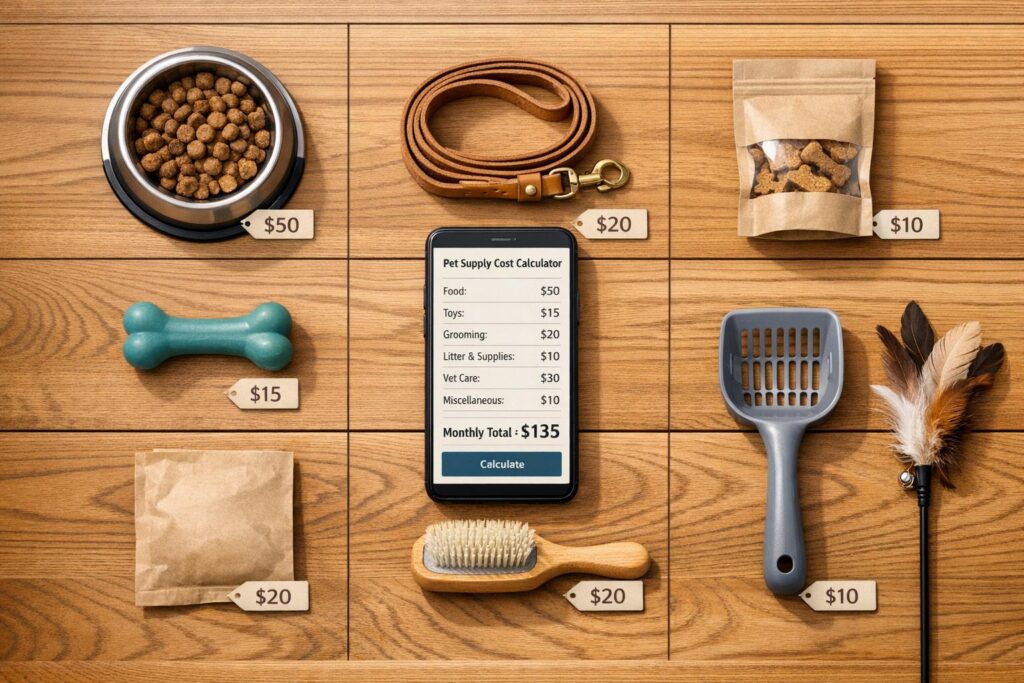
Chew toys are essential for maintaining dental health, as guinea pigs’ teeth never stop growing. Popular options include apple sticks, willow balls, and timothy hay waffles. The Kaytee Perfect Chews, for example, are priced at about $5.00. Treat dispensers like the HayPigs!® Circus Treat Ball (around $7.90) combine physical and mental stimulation, letting your guinea pig push the ball to release food. Puzzle games, such as those from Trixie (priced between $10.50 and $13.00), challenge pets to lift lids or slide disks to uncover hidden treats.
As Oxbow Animal Health explains:
"An enriched guinea pig is a happy guinea pig! Keeping boredom at bay can be easy and affordable with a fun rotation of accessories and toys."
To keep things interesting, rotate toys weekly during cage cleaning instead of leaving them all out at once. Skip exercise wheels or balls altogether – they can cause severe spinal injuries. When selecting wooden toys, ensure they’re made from safe materials like apple, willow, or birch, and avoid anything treated with toxic paints or sealants.
If you’re feeling crafty, homemade toys can also provide excellent enrichment.
DIY Enrichment Ideas
Homemade toys can be just as engaging as store-bought ones – and they’re budget-friendly, too. Cardboard is a guinea pig favorite. Try stuffing toilet paper or paper towel rolls with hay and treats, cutting a slit along the roll to prevent your pet from getting stuck. Shoe boxes and tissue boxes can be transformed into hideouts by cutting at least two entrance holes to ensure your guinea pig doesn’t feel trapped. You can also crumple plain paper into balls with hidden treats inside or fill paper bags with hay for a fun "foraging bag."
Fleece and fabric make for cozy, interactive setups. Create a "towel tent" by securing a bath towel across a cage corner with binder clips. Or, cut fleece scraps into strips to make a "fleece forest", offering both privacy and exploration opportunities. Check fabric toys regularly for fraying or chewing – ingesting fibers can lead to serious health issues. For chewable options, branches from apple, pear, or willow trees are excellent, but avoid wood from trees with pits, like cherry or peach, as they can be toxic. Use branches only from unsprayed trees, and ensure they’ve been aged for at least three months (fresh apple wood is sometimes safe).
Another fun idea is a muffin tin puzzle. Place treats in the cups and cover them with tennis balls or willow balls, encouraging your guinea pig to move them to reveal the reward. Always remove any staples, tape, or adhesives from cardboard before offering it to your pet.
Once your guinea pig has explored these setups, interactive activities can take their enrichment to the next level.
Interactive Activities with Your Guinea Pig
Guinea pigs are social creatures, and interactive activities help nurture their natural curiosity while strengthening your bond. Daily floor time – 15 to 30 minutes in a guinea pig-proofed space – lets them explore and run freely. Make sure the area is safe by removing hazards like electrical cords, small objects, and anything they could swallow. Keep other pets out of the room, and add varied textures like fleece, grass mats, and cardboard to stimulate their senses.
Trick training can be a fun way to engage with your guinea pig. Using healthy treats as rewards, you can teach them to spin in circles, stand on their hind legs, or even follow you around. For something more active, set up a small track with low barriers for a "racing pig" game. Or, try hide-and-seek by briefly hiding behind a blanket and peeking out when your guinea pig finds you. Tug-of-war with a clean sock stuffed with hay – gently pulling one end while your guinea pig nibbles the other – can also be a delightful game.
Bonding moments like lap time are equally important. Snuggle with your guinea pig, read aloud, or talk to them to help them get used to your voice and presence. Some guinea pigs even enjoy watching TV or listening to calm music. As pet writer Lindsay Pereira puts it:
"With gentle encouragement and calm movements, your pets will surely have fun while basking in the tender glow of your adoration."
However, avoid using harnesses, leashes, or exercise balls, as these can cause injuries, stress, or even permanent spinal damage. Focus on activities that keep your guinea pig safe, happy, and engaged.
Enhancing the Guinea Pig Habitat
Key Habitat Features
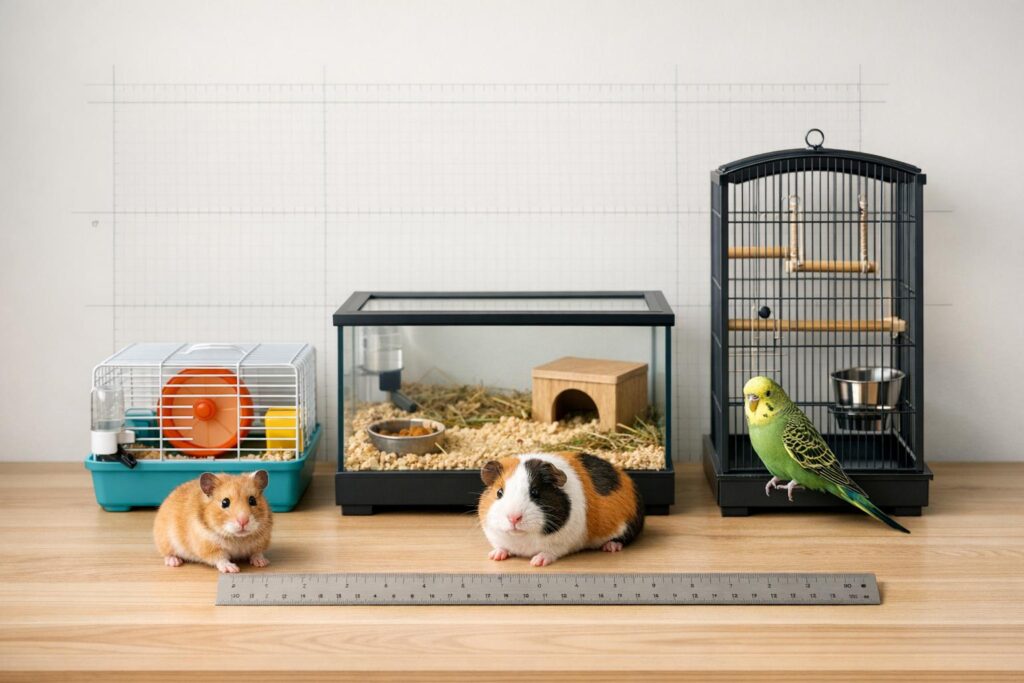
Your guinea pig’s cage is more than just a living space – it’s their entire world. Floor space is crucial: a single guinea pig needs at least 7.5 square feet, while a pair requires a minimum of 10.5 square feet (about 30" x 50"). The MidWest Guinea Habitat ($72.99) is a great option that meets these size requirements. Always opt for solid flooring to protect their feet; wire mesh can lead to painful injuries.
For bedding, fleece liners or paper-based options are ideal since they provide comfort and encourage natural burrowing. Avoid cedar, pine shavings, and straw, as these can release harmful oils or cause eye irritation. Guinea pigs are active for up to 20 hours a day, so make sure their habitat includes hideouts to help them feel secure and reduce stress. The Kaytee Small Animal Igloo ($11.95) is a popular choice, though wooden hideouts are better for airflow in warmer months.
Temperature control is also important. Keep their environment draft-free and within 60°F to 75°F to avoid overheating or cold stress. Dr. Lyle Cleary emphasizes:
"A guinea pig’s cage should be located in a central area of the house, as many of them enjoy socializing with their human companions".
To encourage their natural instincts, ditch the food bowl and scatter pellets around the cage or hide hay in cardboard tubes for foraging fun. Since guinea pigs aren’t natural climbers, stick to shallow ramps for safety. These habitat upgrades, paired with regular enrichment, ensure your guinea pig stays active and happy. Keep things fresh by occasionally updating their environment with new layouts or accessories.
Rotating Toys and Accessories
A well-designed habitat is just the beginning – ongoing changes keep your guinea pig mentally stimulated. Rotate toys weekly during cage cleaning to maintain their interest. As C and C Guinea Pig Cages advises:
"Ideally, rotate or refresh enrichment weekly. This prevents boredom and keeps your guinea pig curious".
However, avoid changing everything at once. Swap out 2–3 items at a time to prevent overwhelming your pet. A "toy library" – a storage box for unused toys – lets you cycle items in and out, making old toys feel new again. Rearrange hideouts, move water bottles, or shift tunnels every few days to add variety. Budget-friendly options like cardboard boxes with different hole patterns or paper bags stuffed with hay can also provide endless entertainment.
Before reintroducing toys, inspect them for wear and tear to ensure they’re safe – look for sharp edges, frayed fabric, or other hazards. Some guinea pigs, especially those with vision impairments, might find frequent changes stressful and prefer a consistent layout. Pay attention to how your pet reacts and adjust accordingly.
10 Tips to Keep Your Lazy Guinea Pigs Entertained! Simple, Fun and Easy Boredom Breakers!
Safety Tips and Best Practices
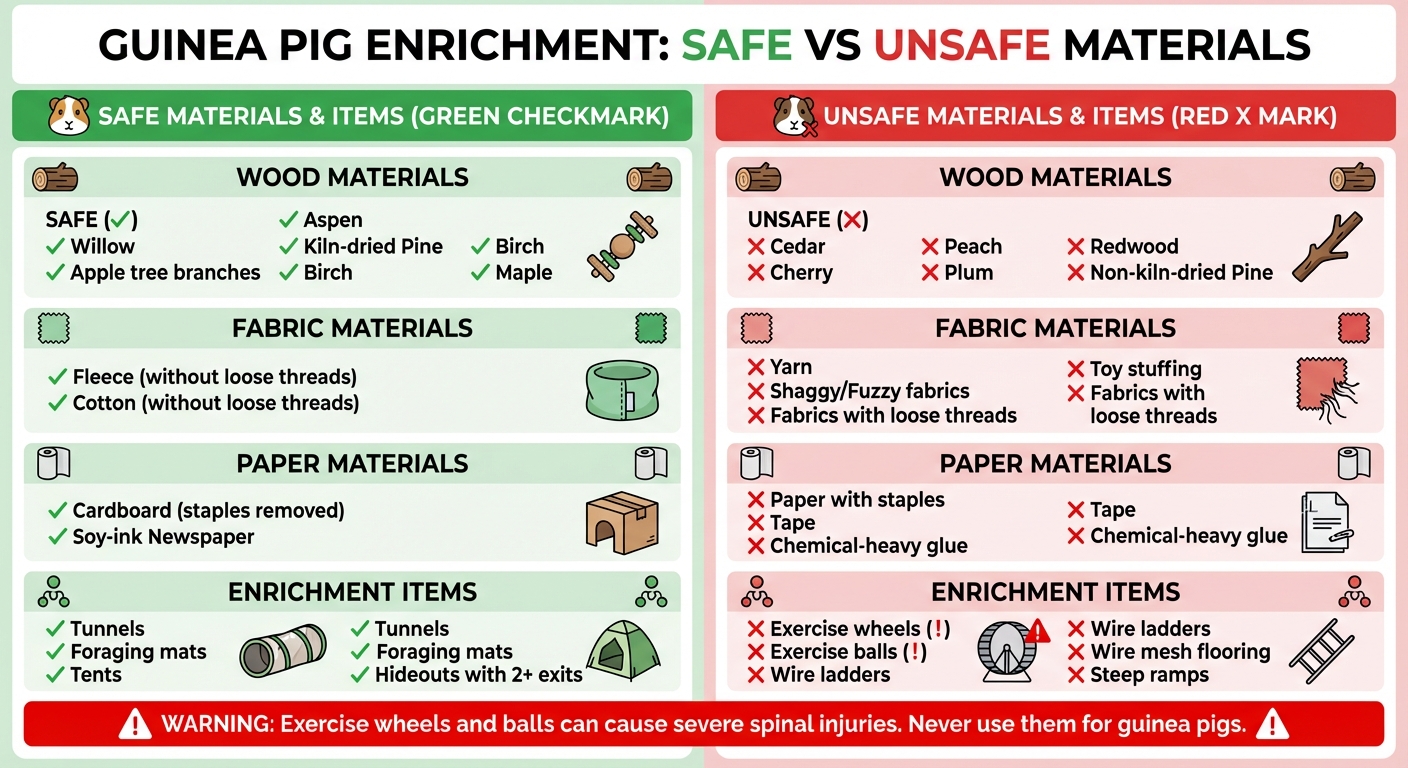
Safe vs Unsafe Materials and Toys for Guinea Pigs
Ensuring your guinea pig’s environment is both engaging and secure is key to their well-being. While enrichment ideas can bring fun and stimulation, safety should always come first.
Toy Safety Guidelines
Not all materials are safe for guinea pigs, so it’s important to choose wisely. For wooden toys, stick to untreated kiln-dried pine, aspen, willow, birch, maple, or apple tree branches. Steer clear of cedar and non-kiln-dried pine, which contain harmful oils, as well as cherry, peach, apricot, and plum branches, which are toxic. Cardboard can be a great option, but make sure to remove any staples to avoid injuries. Also, cut toilet paper or paper towel rolls lengthwise to prevent your guinea pig from getting its head stuck.
Certain items, like exercise wheels and balls, should be avoided altogether. These can cause serious spinal injuries since guinea pigs’ spines aren’t built to bend backward. Similarly, wire ladders or mesh flooring can result in broken bones or foot injuries. Avoid using yarn, fuzzy fabrics, small plastic parts, or loose stuffing, as these can pose choking hazards or lead to blockages. If you’re incorporating fleece or fabric items, always remove any hanging threads.
| Material Category | Safe Examples | Unsafe Examples |
|---|---|---|
| Wood | Willow, Apple, Aspen, Kiln-dried Pine | Cedar, Cherry, Peach, Plum, Redwood |
| Fabric | Fleece, Cotton (without loose threads) | Yarn, Shaggy/Fuzzy fabrics, Toy stuffing |
| Paper | Cardboard, Soy-ink Newspaper | Paper with staples, Tape, Chemical-heavy glue |
| Enrichment | Tunnels, Foraging mats, Tents | Exercise wheels, Exercise balls, Wire ladders |
Monitoring Your Guinea Pig’s Response
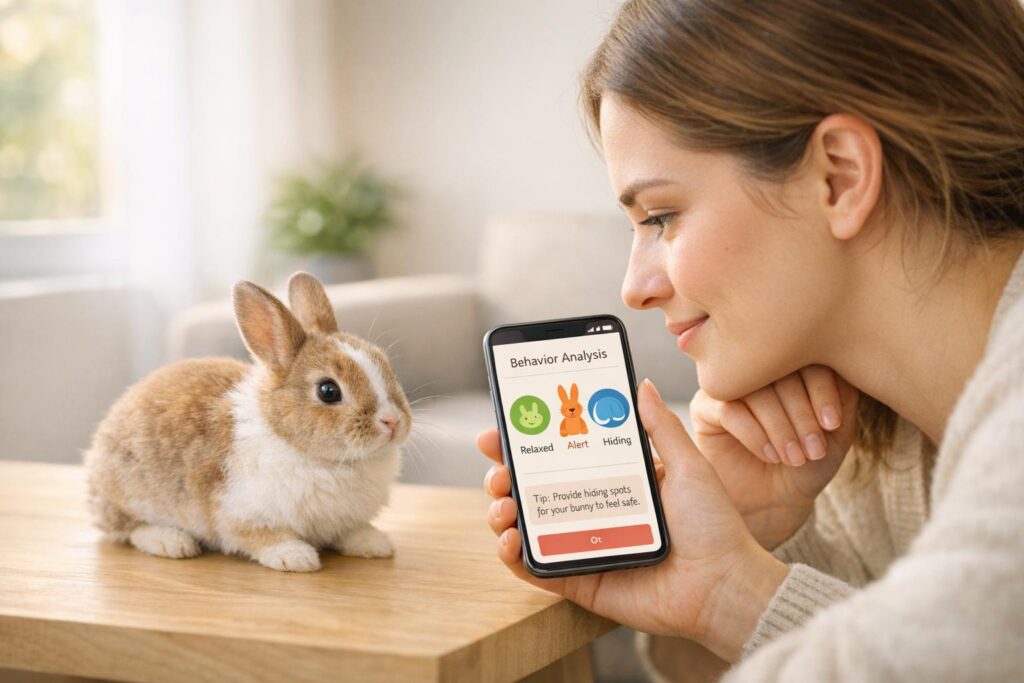
Pay attention to how your guinea pig reacts to new enrichment items. Signs of enjoyment include behaviors like popcorning (jumping and twisting in the air), making excited wheeking sounds, or purring during interactions. If your guinea pig climbs onto your lap or leg, it’s a clear sign they feel safe and comfortable.
On the flip side, if your pet freezes, hides, or shows fear, it might be overwhelmed or stressed. Always supervise when introducing new toys or objects, especially those made of fleece or plastic, to ensure they aren’t being chewed apart or ingested. Since guinea pigs are active for most of the day, they need constant access to safe enrichment. For shy guinea pigs, introduce new items slowly, allowing them to explore at their own pace.
Cleaning and Maintenance
Keeping your guinea pig’s habitat clean and well-maintained is just as important as providing engaging toys. Daily spot-cleaning and weekly deep cleans are essential for their health. Remove soiled bedding and clean litter boxes every day. Food bowls and water bottles should also be washed daily to prevent bacteria buildup. For a thorough weekly cleaning, use pet-safe all-purpose cleaners or a diluted white vinegar solution. Avoid harsh chemicals or scented cleaners, as guinea pigs have sensitive airways. As PetMD highlights:
"Guinea pigs have sensitive airways so good ventilation is a must" – PetMD.
Non-porous toys can be cleaned by soaking them in diluted vinegar, but make sure they are completely dry before putting them back in the cage. Discard any cardboard, paper, or hay-based items that get wet or dirty. Regularly wash fleece liners and fabric items, checking for loose threads or fraying that could harm your pet. Inspect water bottles daily to ensure they are functioning properly – blockages or leaks can lead to dehydration or damp bedding, which may cause health issues like bumblefoot or respiratory infections. Keeping the environment clean and dry is essential for your guinea pig’s overall well-being.
Conclusion and Key Takeaways
When it comes to enriching your guinea pig’s life, the focus should be on meeting their core needs: companionship, foraging opportunities, movement, and mental stimulation. Before diving into enrichment ideas, make sure the basics are covered. This includes providing enough living space – 7.5 to 10.5 square feet per guinea pig – a compatible companion to prevent loneliness, and unlimited access to high-quality hay, which should make up roughly 80% of their diet.
Start small and pay attention to how your guinea pigs react. Tailoring activities to their natural behaviors is key to keeping them engaged. For example, mimic their instinct to forage by scattering pellets or hiding vegetables in hay. As Blue Cross highlights:
"It’s much more satisfying for your guinea pigs to ‘find’ their own food instead of it being served up for them in a bowl!"
Switch up toys regularly to keep their interest fresh, and always ensure there are more hiding spots than there are guinea pigs to avoid territorial disputes. These simple changes can go a long way in creating a stimulating environment that supports their physical and emotional health.
Keep an eye out for positive behaviors like popcorning, happy squeaks, and adventurous exploration. On the flip side, if you notice aggression, avoidance of certain areas, or excessive hiding, it’s time to rethink your approach. Enrichment should always offer choice and control. If a toy or puzzle seems too frustrating, it’s better to remove it than force it. Since guinea pigs are active throughout the day, they thrive with constant access to safe, engaging activities that match their unique personalities and abilities.
FAQs
How do I know if enrichment is stressing my guinea pig?
Watch for signs of stress in your pet, such as hiding excessively, showing aggression (like teeth chattering or tossing their head), losing their appetite, or overgrooming. Nervous habits, including frequent freezing or irritability, can also signal discomfort. Make sure any enrichment activities match their abilities and don’t overwhelm them. Keep a close eye on their behavior and tweak activities as needed to ensure they stay comfortable and engaged.
What’s the safest way to give my guinea pig floor time?
To give your guinea pig safe floor time, create a secure, enclosed space using barriers like C&C grids. Make sure to eliminate potential dangers, such as electrical cords or small items they might chew or swallow. Always keep an eye on your guinea pig during floor time to avoid any injuries or mishaps.
How often should I rotate toys without upsetting my guinea pig?
To keep your guinea pig’s environment engaging and prevent boredom, switch out their toys every few days to a week. This timing strikes a balance – it keeps things fresh without overwhelming them with constant changes.