
Diabetes in guinea pigs is rare but manageable. It often results from high-carb diets, obesity, or genetics. Symptoms include excessive thirst, frequent urination, weight loss, and cloudy eyes. Early diagnosis and proper care can prevent complications like cataracts, urinary tract infections, or kidney issues.
Key Points to Manage Diabetes:
- Diet: Focus on unlimited hay (80%), leafy greens (15%), and low-sugar pellets (5%). Avoid sugary fruits, starchy veggies, and muesli-style feeds.
- Monitoring: Track weight weekly, observe water intake, and test blood or urine glucose levels at home.
- Treatment: Type 2 diabetes often improves with diet changes, while Type 1 may require insulin therapy. Oral medications like Metformin or Glipizide can help in some cases.
- Vet Care: Blood glucose tests and urinalysis confirm diagnosis. Regular check-ups ensure stable blood sugar and address complications.
Prognosis: With a high-fiber diet and consistent care, many guinea pigs with Type 2 diabetes achieve remission. Type 1 requires long-term insulin but can be effectively managed.
Next Steps: Learn how to spot symptoms, adjust diets, and provide daily care to help your guinea pig lead a healthy life.
Diabetes in guinea pigs
sbb-itb-e212914
What Is Diabetes in Guinea Pigs?
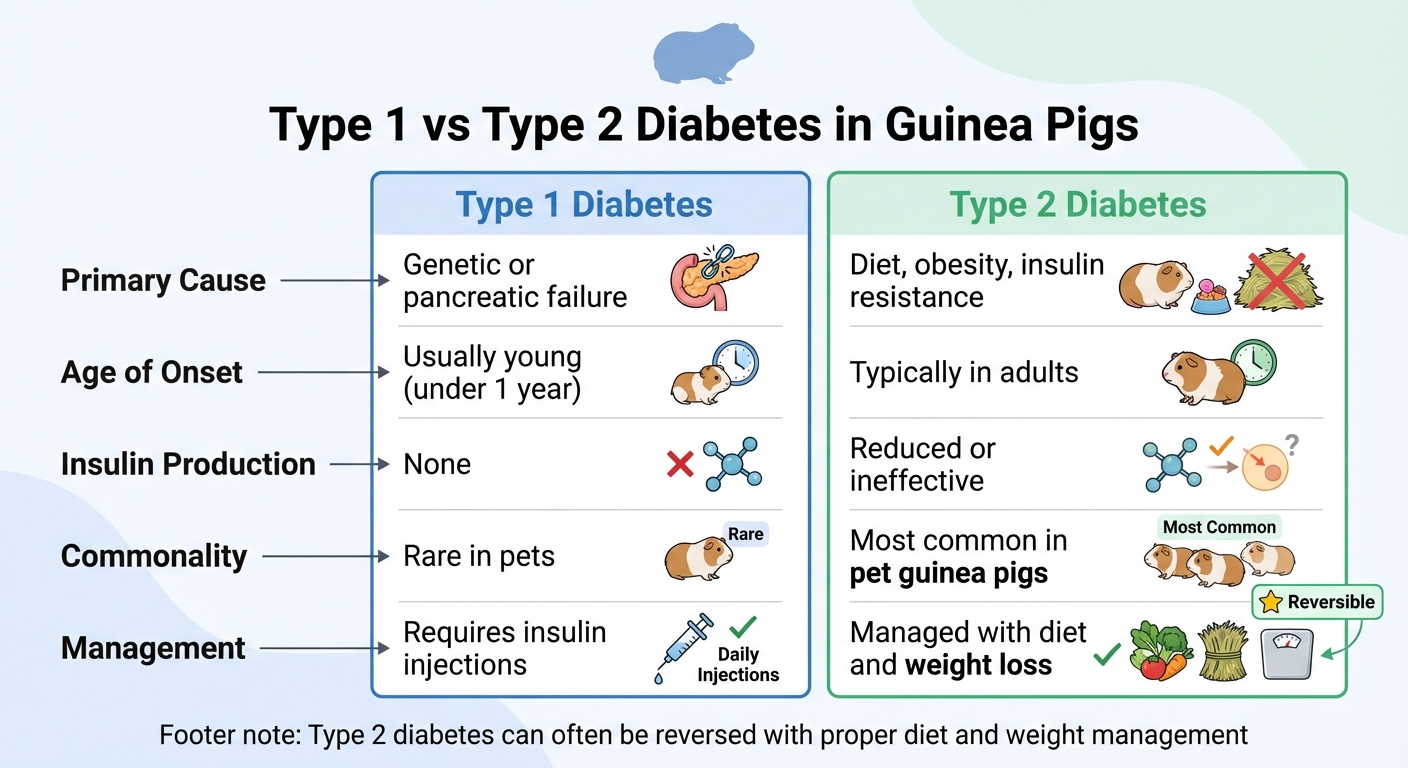
Type 1 vs Type 2 Diabetes in Guinea Pigs Comparison Chart
Diabetes mellitus is a condition where the pancreas doesn’t produce enough insulin. Insulin is the hormone responsible for regulating blood sugar and helping cells absorb glucose for energy. Without adequate insulin, sugar builds up in the blood instead of being utilized by cells, which can lead to weight loss and other health issues.
Interestingly, guinea pigs have insulin that is much less potent than that of other mammals – only about 1%–5% as effective. This difference means guinea pigs manage diabetes in unique ways. While diabetic dogs and cats often need daily insulin shots, many guinea pigs can control or even reverse their condition with changes to their diet.
Guinea pigs with diabetes are less likely to develop ketoacidosis, a dangerous condition caused by excessive ketones, which is common in other species. However, they are more susceptible to urinary tract infections because high sugar levels in their urine create an environment where bacteria thrive.
Now, let’s dive into the factors that can lead to diabetes in guinea pigs.
What Causes Diabetes in Guinea Pigs?
A diet high in carbohydrates, such as too much fruit, sugary snacks (like honey sticks), or muesli-based feeds, is the main cause of diabetes in guinea pigs. Obesity and genetic predispositions also play a role. Excess body fat disrupts insulin function, and certain breeds or genetic lines are more prone to the condition. Other triggers include stress, liver problems, viral infections, and the use of corticosteroid medications.
Understanding these causes helps in identifying and managing the two types of diabetes in guinea pigs.
Type 1 vs. Type 2 Diabetes in Guinea Pigs
Guinea pigs can develop both Type 1 and Type 2 diabetes, though Type 2 is much more common.
Type 1 diabetes occurs when the pancreas produces little or no insulin, often due to genetic factors or autoimmune issues. This type usually shows up in young guinea pigs, often under a year old, and requires lifelong insulin therapy.
Type 2 diabetes, on the other hand, happens when the body doesn’t produce enough insulin or becomes resistant to it. This form is strongly linked to poor diet and obesity. The positive side? Type 2 diabetes in guinea pigs can often be reversed with proper diet and weight management.
"As most diabetic guinea pigs are overweight and respond to dietary changes, a disorder resembling type II-DM in humans seems to be most prevalent in this species." – Theresa Kreilmeier-Berger et al., University of Veterinary Medicine Vienna
| Feature | Type 1 Diabetes | Type 2 Diabetes |
|---|---|---|
| Primary Cause | Genetic or pancreatic failure | Diet, obesity, insulin resistance |
| Age of Onset | Usually young | Typically in adults |
| Insulin Production | None | Reduced or ineffective |
| Commonality | Rare in pets | Most common in pet guinea pigs |
| Management | Requires insulin injections | Managed with diet and weight loss |
Properly identifying whether a guinea pig has Type 1 or Type 2 diabetes is essential for effective treatment and management.
Signs Your Guinea Pig May Have Diabetes
Spotting diabetes early in guinea pigs can make a big difference in managing the condition. Thankfully, these small pets often show clear signs when something isn’t right.
"Early detection often comes down to knowing what’s normal for your pet and spotting when things change." – Dr. Sam, Small Animal Veterinarian, Guinea Pigs Australia
One of the most noticeable signs is an increase in water consumption. If you’re refilling the water bottle more often, it could be a warning signal. This excessive thirst (polydipsia) often comes with frequent urination (polyuria). You may find larger wet patches in the bedding or notice your guinea pig sitting in damp spots, leading to matted, wet fur around its hindquarters – commonly referred to as a “wet bottom”.
Weight changes are another major clue. Diabetic guinea pigs often lose weight quickly, even if they’re eating the same amount – or more – than usual. This happens because their bodies struggle to process energy from food. On the flip side, obesity increases the risk of Type 2 diabetes, so sudden weight loss in an overweight guinea pig is especially concerning.
Another telltale sign is cloudy eyes. Diabetic guinea pigs can develop cataracts rapidly, sometimes within just weeks. The lenses might look cloudy, white, or have a bluish tint. Other signs include lethargy and, in some cases, a fruity or acetone-like smell on their breath, which suggests a buildup of ketones in the body.
Below are the key physical and behavioral symptoms that should prompt an immediate visit to the vet.
Physical Symptoms to Monitor
Certain physical symptoms are strong indicators of diabetes in guinea pigs. Excessive drinking, frequent urination, and unexpected weight loss are red flags. Keep an eye on your pet’s water intake and check the bedding for damp spots or rapid water depletion – these could point to diabetes.
Diabetic guinea pigs are also more prone to urinary tract infections and cystitis due to sugar in their urine, which creates an environment for bacterial growth. Signs of this include straining to urinate or damp fur around the rear end.
Weigh your guinea pig weekly using a digital scale. Even a small drop in weight can be an early warning, as weight loss can happen quickly.
Check their eyes for cloudiness or white spots in the pupils, as diabetic cataracts can develop fast and are a clear sign of the disease. Additionally, take note of any fruity or acetone-like smell on your guinea pig’s breath, as this indicates ketosis – when the body starts burning fat for energy instead of glucose.
While physical symptoms are crucial, don’t overlook behavioral changes that might reveal early signs of trouble.
Changes in Behavior and Appetite
Behavioral changes can sometimes appear even before physical symptoms become obvious. A diabetic guinea pig might seem less active, uninterested in its usual activities, or just generally “off.” This happens because high blood sugar levels prevent cells from getting the energy they need.
Increased hunger (polyphagia) is another common sign. If your guinea pig is eating more but not gaining weight – or even losing weight – it could signal an issue. The body’s inability to convert food into usable energy is often to blame.
"Losing weight can also happen because the energy cannot be absorbed properly, especially if the guinea pig was first too fat and suddenly loses weight." – Anne Raats-van den Boogaard, Animal Education
Pay close attention to any shifts in your guinea pig’s daily habits. Are they visiting the water bottle more often? Acting less social or responsive? Familiarity with your pet’s normal behavior will help you catch these early warning signs.
Getting a Diabetes Diagnosis
If you think your guinea pig might have diabetes, visiting a veterinarian is a must. The symptoms can resemble other health issues, like kidney disease, so professional testing is the only way to confirm what’s going on. Your vet will run a series of tests to identify diabetes and rule out other potential problems.
To make the visit less stressful for your guinea pig, consider bringing along a healthy cage mate. This not only helps with stress but also provides a baseline for comparison. Avoid giving any medications before the appointment, as accurate blood and urine samples are needed for proper diagnosis.
"Blood tests and urinalysis are essential to differentiate between diabetes and kidney disease."
- Monique Hanford, Founder, Guinea Piggles
Stress can temporarily raise blood sugar levels, so your vet might need to take multiple readings or use specialized tests to confirm the diagnosis. Below are some of the diagnostic methods your vet may use.
Diagnostic Tests Your Vet Will Use
Blood Glucose Test
Your vet will likely start by measuring blood glucose levels using a glucometer. A small blood sample, often taken from a toenail clip, is used for this test. Normal blood glucose levels for guinea pigs typically range between 4.9 and 15.9 mmol/L. However, stress or illness can cause temporary spikes in blood sugar, so repeat testing might be necessary.
Urinalysis
A urinalysis is another key test. Using a dipstick, your vet will check for glucose in the urine (glucosuria), which is abnormal in healthy guinea pigs. This test can also detect urinary tract infections, as sugar in the urine can encourage bacterial growth.
"A urine test will also help assess renal function, as well as looking for excess glucose being excreted into the urine."
- Dr. Sam, Veterinarian, Guinea Pigs Australia
Fructosamine Testing
Fructosamine tests provide an average of blood sugar levels over several weeks. A result above 271 µmol/L usually indicates diabetes.
Glucose Tolerance Test
In some cases, your vet might perform a glucose tolerance test. This involves fasting your guinea pig for 18 hours, followed by an oral dose of glucose. If blood sugar levels more than double within four hours, diabetes is confirmed.
Additionally, your vet will check for secondary issues like obesity, liver disease, or ovarian cysts, and determine whether your guinea pig has Type 1 or Type 2 diabetes. This distinction is critical, as the treatment plan – whether it’s dietary changes, medication, or a combination – depends on the type.
Feeding a Diabetic Guinea Pig
Diet plays a crucial role in managing diabetes in guinea pigs and, in some cases, can even reverse the condition. The focus should be on crafting a high-fiber, low-sugar meal plan that keeps blood sugar levels steady throughout the day.
"Treatment of diabetes is primarily dietary correction, encouragement of a healthy diet can control diabetes and, in some cases, reverse it."
A proper diabetic diet for guinea pigs typically consists of 80% hay, 15% fresh leafy vegetables and herbs, and 5% pellets. Maintaining a healthy weight is equally important, so overweight guinea pigs may need fewer pellets to promote gradual weight loss.
Building a High-Fiber Diet
The cornerstone of a diabetic guinea pig’s diet is unlimited grass hay. Varieties like Timothy, orchard, or botanical hay should always be available. Hay accounts for about 70% to 80% of their diet, providing essential fiber for digestion and naturally wearing down their teeth, which grow continuously.
Leafy greens are another key component, offering fiber and Vitamin C without adding much sugar. Great choices include romaine, green leaf, red leaf lettuce, and endive. Vegetables like bell peppers (all colors), broccoli, and asparagus also provide the necessary 10 to 50 mg of Vitamin C guinea pigs need daily. Fresh herbs such as cilantro and dandelion greens are excellent additions to their diet.
When it comes to pellets, opt for plain Timothy-based pellets that are high in fiber and low in carbohydrates. Adult guinea pigs only need about 1.5 to 2 tablespoons (roughly 1/8 cup) per day. Avoid alfalfa-based pellets for adult guinea pigs as they contain too much calcium and protein, which are unsuitable for non-pregnant guinea pigs.
"Chewing on hay not only will help wear down your guinea pig’s continually growing teeth but also will provide the fiber your pet needs for proper digestion."
- Laurie Hess, DVM, DABVP
Equally important is knowing which foods to avoid to prevent blood sugar spikes.
Foods That Can Harm Diabetic Guinea Pigs
Knowing what to exclude from your guinea pig’s diet is just as important as knowing what to include.
Sugary fruits should be completely avoided. Foods like apples, bananas, grapes, and berries can cause sharp increases in blood sugar levels. If you’ve been using fruit as treats, consider replacing them with hay-based treats or dried edible flowers.
Starchy and high-sugar vegetables such as sweetcorn, beetroot, carrots, and peas are also off the menu due to their high carbohydrate content.
"In my experience, guinea pigs that are fed a diet too high in sugar and carbohydrates such as excessive fruits and treats, are particularly at risk."
- Dr. Sam, Small Animal Veterinarian
Muesli-style feeds should be avoided entirely. These mixes encourage selective feeding, where guinea pigs eat only the sugary components and leave behind the fiber-rich parts. Additionally, steer clear of commercial treats containing added sugar, honey, molasses, seeds, or nuts. High-fat foods like seeds and corn can lead to obesity, which worsens insulin resistance.
| Food Category | Safe Options | Harmful Options |
|---|---|---|
| Hay | Timothy, Orchard, Botanical | Alfalfa (limit for adults) |
| Vegetables | Romaine, Bell peppers, Cilantro, Endive | Carrots, Sweetcorn, Beetroot, Peas |
| Pellets | Plain Timothy-based pellets | Muesli mixes, pellets with seeds or dried fruit |
| Treats | Fresh herbs, hay-based treats | Fruits, honey sticks, seeds, biscuits |
Always check the labels on pellets and treats for hidden sugars or high-carb fillers. Introduce dietary changes gradually, as guinea pigs can be picky eaters, and sudden adjustments may upset their digestion. With consistent dietary management, about one-third of diabetic guinea pigs may eventually regain the ability to regulate their glucose levels without medication.
Insulin and Other Medications
When dietary adjustments aren’t enough to manage blood sugar, medications become necessary. Although many diabetic guinea pigs respond well to a high-fiber diet, some cases require additional intervention. Type 1 diabetes, often diagnosed in guinea pigs under a year old, always needs insulin therapy because their pancreas doesn’t produce enough insulin. If dietary changes fail to show results within a few weeks, medication may also be required.
Interestingly, guinea pig insulin is only 1%–5% as potent as that of other mammals. This is one reason why veterinarians often try dietary management first. But when medication becomes unavoidable, there are effective options available.
How to Give Insulin Injections
If insulin is prescribed, you’ll likely administer a long-acting basal insulin like glargine (Lantus) once daily. The injection is given subcutaneously – under the skin – on the side of the chest or belly. Avoid injecting into the back of the neck, as thick fat deposits there can interfere with absorption.
"To avoid insufficient resorption through subcutaneous fat deposits in the back neck of guinea pigs, insulin was subcutaneously administered on the left or right side of the thorax or abdomen."
- Theresa Kreilmeier-Berger et al., Clinical Department for Small Animals and Horses
For precise dosing, use a 100-unit syringe with half-unit markings, as guinea pigs typically require very small amounts, such as 0.5 IU. For doses smaller than 0.5 IU, an electronic insulin pen like the Pendiq allows for 0.1 IU increments.
Research from the University of Veterinary Medicine Vienna demonstrated that daily doses of 0.5–0.75 IU of glargine effectively managed diabetes in two guinea pigs over a 1.5-year period.
Monitoring blood glucose at home is crucial. A veterinary glucometer like the WellionVet Belua on the "dog" setting provides the most accurate readings for guinea pigs. Blood samples are typically taken from the ear vein using the pinnae prick technique. It’s essential to watch for signs of hypoglycemia (low blood sugar), as this can be more dangerous than high blood sugar and may occur if insulin doses are too high.
When insulin isn’t suitable or doesn’t fully control Type 2 diabetes, oral medications may be an option.
Other Treatment Options
For guinea pigs with Type 2 diabetes who still produce some insulin, oral medications can be helpful. Glipizide (commonly used in the US) and Glyburide (used in Canada) are sulfonylureas that stimulate the pancreas to release more insulin. Another option is Metformin, which works by improving the body’s insulin sensitivity.
| Treatment Type | Best For | Common Medications |
|---|---|---|
| Insulin Therapy | Type 1 or diet-resistant Type 2 | Glargine (Lantus), NPH, PZI |
| Oral Medication | Type 2 (non-insulin dependent) | Glipizide, Glyburide, Metformin |
| Dietary Management | Primary treatment for Type 2 | High-fiber hay, leafy greens |
While diet remains the cornerstone of diabetes management, medications provide additional support when blood sugar levels remain uncontrolled. It’s also important to address any underlying issues that may trigger diabetes, such as ovarian cysts or the use of steroid medications. For example, removing ovarian cysts or stopping steroid treatments can sometimes resolve diabetes without the need for long-term medication. Regular check-ins with your veterinarian are essential to fine-tune medication dosages and ensure the best results. Interestingly, about one-third of diabetic guinea pigs may eventually go into remission, regaining the ability to control their blood sugar without medication after a period of treatment.
Daily Monitoring and Home Care
Keep a close eye on your guinea pig’s condition every day, especially between vet visits. Look for changes in water intake, appetite, urination habits, and activity levels – these can give you clues about how stable their blood sugar levels are. Use a digital scale to weigh your guinea pig weekly (in ounces or grams) for precise tracking. Sudden weight loss might mean their body is burning fat and protein for energy instead of glucose. Also, check their bedding for damp spots, which can signal increased urination.
Measuring Blood Sugar at Home
Testing blood sugar at home can give you real-time insights without the added stress of a vet visit, which might temporarily raise blood sugar levels. Start by testing every 7–10 days. Once levels are stable, you can test less often – every few weeks, and eventually every 3–4 months.
Blood glucose testing usually involves collecting a small drop of blood, either from the ear or by carefully clipping a toenail. Since this process can be tricky, it’s best to get guidance from your vet.
For a less invasive option, consider urine testing. Glucose dipsticks can detect sugar in the urine when blood sugar exceeds the renal threshold. While not as precise as blood testing, they’re a stress-free way to monitor trends between vet visits. Keep in mind that guinea pigs naturally have high glucosamine levels in their urine, which historically led to overdiagnoses of diabetes.
If your guinea pig is on insulin, always have honey or glucose syrup handy. At the first sign of hypoglycemia, apply a small amount to their gums and contact your vet immediately. Blood sugar readings below 50 mg/dL or above 300 mg/dL require prompt veterinary attention.
Along with testing, keeping a detailed health log is key to spotting patterns and managing care effectively.
Keeping a Health Record
Pair your daily observations with a thorough health log to help you and your vet track trends and adjust care as needed. Record details like the date and time of glucose readings, medication doses, food intake, and any noticeable behavioral changes. Physical symptoms such as eye cloudiness (a potential sign of cataracts), persistent dampness around the rear ("wet bottom"), or signs of urinary tract infections should also be noted – these are common complications in diabetic guinea pigs.
| Category | Measurement | Indicator |
|---|---|---|
| Weight | Weekly in ounces or grams | Sudden loss suggests the body isn’t using glucose effectively |
| Hydration | Daily water bottle levels | Increased thirst may point to high blood sugar |
| Elimination | Urination frequency and wet spots | Excess sugar forces the kidneys to work harder |
| Physical Signs | Eye clarity and "wet bottom" | May signal diabetic complications like cataracts or infections |
| Behavior | Energy and appetite changes | Shifts often align with blood sugar fluctuations |
"as many as 1/3 of diabetic piggies eventually regain the ability to regulate glucose without further support from medication"
This hopeful statistic from Patricia Simon of Guinea Lynx highlights the importance of tracking your guinea pig’s progress. Your health log can help identify when medication might be reduced or discontinued. Be sure to note any stressful events, as stress can temporarily raise blood sugar, mimicking a worsening of diabetes.
Preventing Health Complications
Keeping a close eye on your guinea pig’s health is key to avoiding complications. Diabetes in guinea pigs can lead to several secondary issues, like cataracts. These occur when the eye lens becomes cloudy or white due to high blood sugar, which causes glucose and sorbitol to build up in the lens. This process can lead to cataracts forming quickly. The best way to slow or prevent this is by maintaining steady blood sugar levels through a high-fiber diet and, if needed, insulin therapy.
Urinary tract infections (UTIs) and cystitis are other concerns. Elevated glucose in the urine creates a perfect breeding ground for bacteria, often leading to painful bladder infections. You might notice unusual sounds when your guinea pig urinates, which could signal a problem. Offering a few drops of plain, unsweetened, water-diluted cranberry juice may help. Research shows this can reduce bacterial adhesion in the bladder and lower UTI risk by up to 50%, but avoid any cranberry products with added sugars. Keeping your guinea pig dry is also crucial, as prolonged dampness can increase the risk of UTIs.
Frequent urination can lead to "wet bottom", which may cause skin infections like urine scald, hair loss, and secondary bacterial issues. To prevent this, clean the bedding every 3–4 days and spot-clean soiled areas daily. Adding absorbent liners, such as puppy pads or newspapers, beneath the primary bedding can help. Trimming the hair around the hindquarters also reduces the chance of infections.
If a UTI is diagnosed, treatment usually involves a two-week course of antibiotics. Always handle infections promptly and carefully, as guinea pigs are sensitive to many medications.
Chronic high blood sugar and elevated blood pressure can strain the kidneys, increasing the risk of chronic kidney disease over time. Watch for sudden increases in water consumption, as this could signal kidney stress or an approaching flare-up. Maintaining stable blood sugar levels through diet and monitoring is essential to protect kidney health.
A case study highlights how early intervention can make a big difference. In April 2021, the University of Veterinary Medicine Vienna reported on two 9-month-old female guinea pigs with diabetes. One had already developed cataracts. When dietary changes failed to lower blood sugar – measured at 38.4 mmol/L – researchers introduced a treatment of 0.5 IU of glargine insulin once daily. Over the next 1.5 years, the insulin therapy successfully resolved glucosuria and stabilized the cataracts, halting further progression. This example shows how proactive care can effectively prevent serious complications in diabetic guinea pigs.
Living with a Diabetic Guinea Pig
Keeping a consistent routine and creating a stable environment are just as important as proper diet and medical care when it comes to supporting your guinea pig’s health. Beyond daily monitoring, making long-term adjustments to their lifestyle plays a major role in their overall well-being.
Can Diabetes Go Into Remission?
In some cases, guinea pigs with Type 2 diabetes may experience a reversal of symptoms through a high-fiber diet and regular exercise. While not every guinea pig will achieve remission, proper diet and weight management can help some regain better control over their blood sugar levels without the need for medication. However, Type 1 diabetes, which is more common in younger guinea pigs, typically requires ongoing insulin therapy.
"In some cases the signs and symptoms will be reversed and the Guinea pig will go into remission when the diet is corrected, therefore generally speaking the prognosis is good." – VetHelpDirect
Patricia Simon, founder of Guinea Lynx, conducted an informal survey that found about one-third of diabetic guinea pigs eventually managed their glucose levels without medication. Additionally, research has shown that insulin-dependent diabetes can be successfully managed with daily insulin glargine injections (0.5 IU). This treatment normalized blood glucose levels and resolved glucosuria for over 1.5 years in some cases.
To encourage remission or maintain stable blood sugar levels, focus on a diet made up of about 80% high-quality hay, while limiting pellets to 5% of their diet – approximately one egg-cup full per day. Eliminate fruits, biscuits, and muesli-type feeds, and promote exercise by providing a spacious enclosure and scattering food to encourage natural foraging behavior.
Setting Up a Comfortable Living Space
A calm and stable living environment is key for diabetic guinea pigs. Alongside proper diet and medication, a well-organized habitat can help maintain steady blood sugar levels and reduce stress. Since diabetic guinea pigs often drink and urinate more frequently, keeping their space dry and clean is essential to prevent skin infections. Check their bedding daily and replace it often, using absorbent liners or puppy pads.
"Clean, soft bedding is essential, as diabetes can increase the risk of infections, especially if your guinea pig is sitting in damp areas." – Dr. Sam, Small Animal Veterinarian
If your guinea pig develops vision problems, such as cataracts – an issue commonly linked to diabetes – try to keep the cage layout the same. Avoid moving water bottles, food bowls, or hideouts so your pet can navigate using familiar landmarks. Speak softly when approaching them to avoid startling them. Providing multiple hiding spots and plenty of room for movement can also help lower stress, which supports their overall health.
Keep an eye on your guinea pig’s water intake and weight, as sudden changes could signal that their condition is not under control. With consistent care and a supportive environment, many diabetic guinea pigs can lead comfortable and happy lives for years.
Conclusion
This guide has walked you through the essential steps for managing diabetes in guinea pigs – from recognizing early symptoms to ensuring long-term care. Successfully managing diabetes requires early detection, consistent monitoring, and sticking to a well-planned, high-fiber, low-sugar diet. If you spot any of the warning signs mentioned earlier, schedule a veterinary visit promptly. Blood glucose testing and urinalysis are crucial to confirm the diagnosis and rule out other issues, such as kidney disease.
Diet plays a central role in diabetes care. With the right dietary adjustments, many guinea pigs can achieve remission and regain control over their glucose levels without needing medication.
"With the right care and attention, many guinea pigs with diabetes can live a good quality life and may even reach remission." – Dr. Sam, Small Animal Veterinarian, Guinea Pigs Australia
Daily monitoring is equally important. Track your guinea pig’s water intake, weight, and urine glucose levels. For those requiring insulin, work closely with your veterinarian to fine-tune dosages and watch for signs of hypoglycemia. A clean and stable living environment is also key to reducing the risk of infections.
For more resources on small pet health, nutrition, and care, visit Little Pet Corner. Their expert tips and detailed guides can help you ensure the best possible life for your guinea pig. By following these steps and maintaining a strong partnership with your veterinarian, you can support your guinea pig in living a happy and healthy life.
FAQs
How can I tell diabetes from kidney disease?
To tell the difference between diabetes and kidney disease in guinea pigs, focus on specific symptoms. Diabetes typically leads to excessive thirst, frequent urination, noticeable weight loss, and sometimes cataracts. A diagnosis is confirmed through elevated blood sugar levels. Kidney disease, however, often presents with lethargy, a decline in overall body condition, and signs of toxin buildup, such as jaundice. Accurate diagnosis requires blood and urine tests, which are crucial for determining the right treatment approach.
What are the safest treats for a diabetic guinea pig?
When it comes to treating a diabetic guinea pig, sticking to their natural diet is key. The best options are low-sugar, low-fat treats that align with their nutritional needs.
Some great choices include small portions of high-fiber leafy greens like romaine lettuce, kale, or parsley. These are both healthy and safe for your furry friend. However, sugary fruits and commercial treats should be avoided at all costs since they can cause dangerous blood sugar spikes.
Focus on natural, low-calorie, high-fiber foods to keep your guinea pig both happy and healthy. For tailored advice, it’s always a good idea to consult your veterinarian. They can help you make the best decisions for your pet’s specific needs.
When should I test glucose at home vs. call my vet?
Testing your guinea pig’s glucose levels at home can help you keep track of their blood sugar and spot any irregularities. If you observe signs of diabetes or get unusual readings, reach out to your veterinarian right away. They can offer expert advice and create a care plan that suits your pet’s unique health requirements.