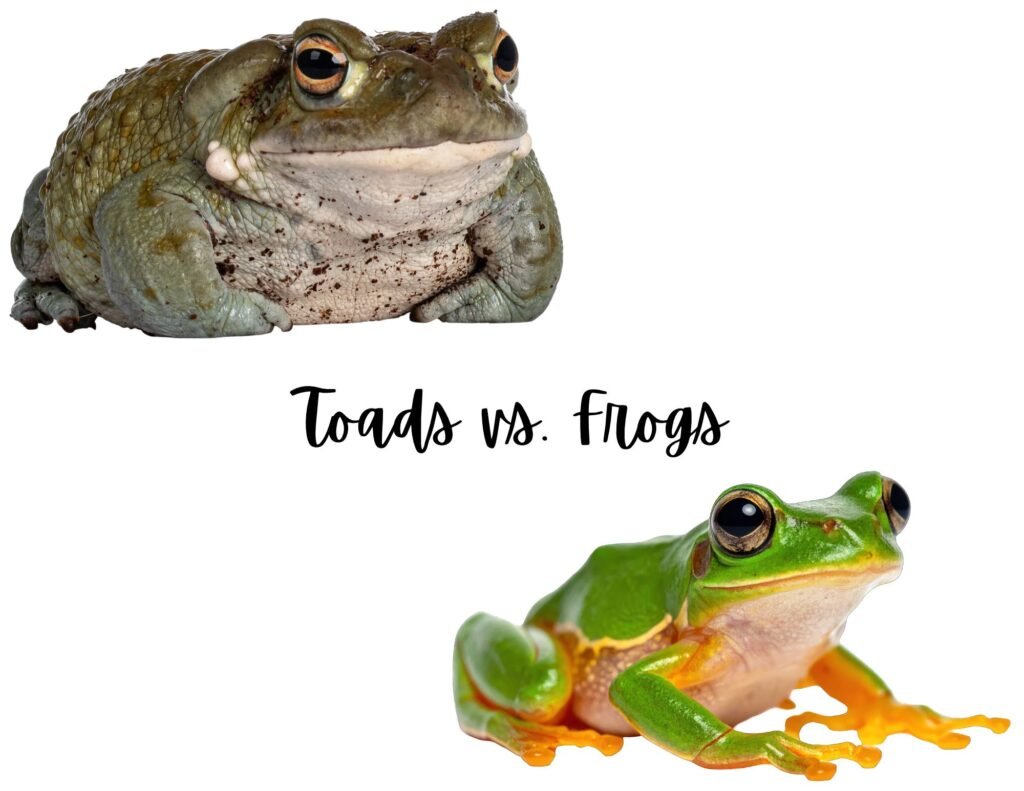
If you aren’t exactly an outdoorsman, you’d be forgiven for not immediately noticing there is a discernible difference between toads and frogs, especially when taking into account that, at a glance, they have a very large number of similarities, ranging from their eyes, overall shape, and mobility, but that is where the overlapping lifestyles cease; in the most simplified context, toads prefer dry environments, whereas frogs need their habitats to be a bit more moist for them to feel comfortable.
What Is the Main Difference Between a Frog and a Toad?
Before considering one of these two amphibians as a pet, it’s worth noting how you can best craft a lifestyle that will keep them healthy, safe, and capable of leading an enjoyable life, then ultimately asking whether or not your lifestyle lines up easily enough to facilitate giving either of these little guys or girls the life they deserve.
Before breaking down each need, it’s worth noting you’ll want to invest in a respectably sized tank. Both of these animals have different needs as far as tanks are concerned that vary greatly depending on the species, with large toads like the Cane and Marine needing upwards of 50 gallons minimum to let them remain mobile whilst being incredibly large; on the other hand, you have smaller frogs, like the African Dwarf Frog, that could get by on a simple 5-gallon tank.
1. Initial Cost
Acquiring any of these amphibians will cost you something, either through buying the frog from someone else or catching one outside and then investing in a tank afterward. Assuming you aren’t going for a rare species as a first-time owner, you’ll likely spend anywhere from $5 to $60 for frogs and a similar range for toads, again, assuming you aren’t going for a special species.
Unfortunately, the biggest investment in owning either a toad or a frog is the enclosure itself, along with the decorations and mandatory additions that turn a simple glass tank into a proper habitat for your new friend.
Toads are technically cheaper to house and set up because they don’t need nearly as much decoration and additional scenery as frogs do, mainly because toads are less inclined to climb and scuttle up smaller decorations for resting and exploration. Meanwhile, frogs are ambitious amphibians, seeking to clamber up anything they can get their webbed toes on.
Between the two, you can expect to pay anywhere from $130 to $500 for frogs (talk about sky-high) and $50 to $150 for toads (rock-bottom prices!). Puns aside, frogs cost more and technically require more upkeep than toads; talk about being a stickler.
2. Appearances
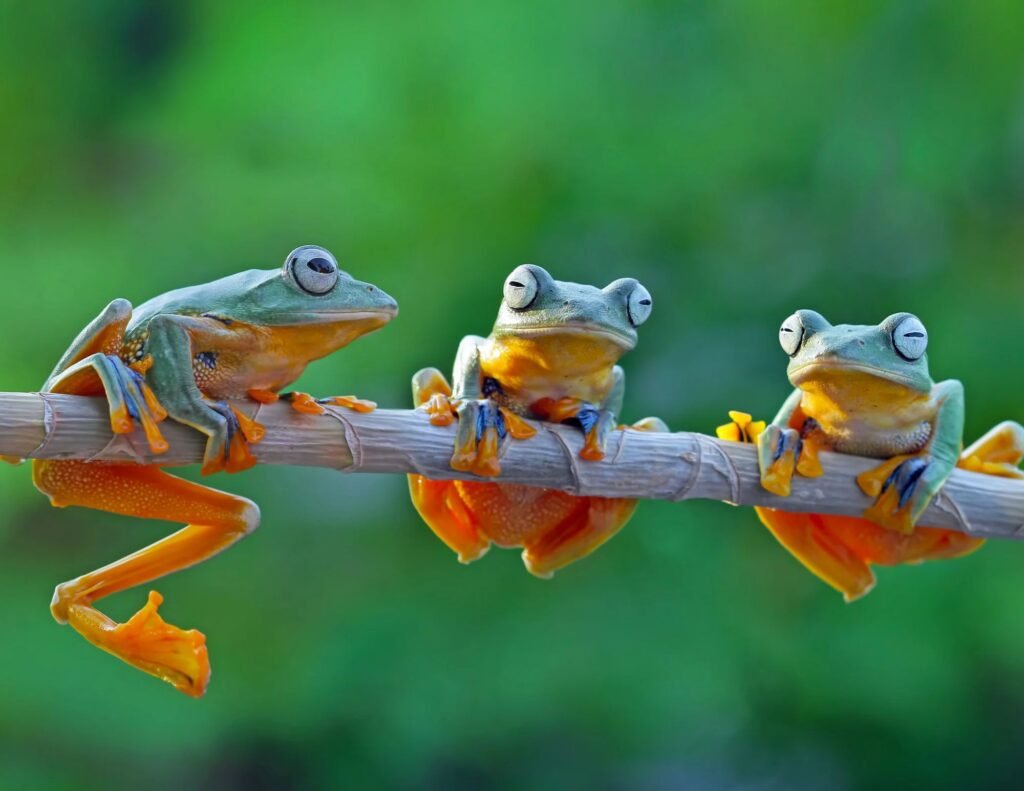
Aesthetically, frogs can come in a literal kaleidoscope of colors, blending vivid blues, greens, and reds into some pretty dazzling options. Granted, the species of frog heavily defines what colors are available, and more exotic colors often have more specific needs to stay healthy. Still, color isn’t the only dashing feature frogs have, as they can also come in spots, specks, and other unique patterns. Because frogs typically prefer moist environments, they often look highly glossy as well!
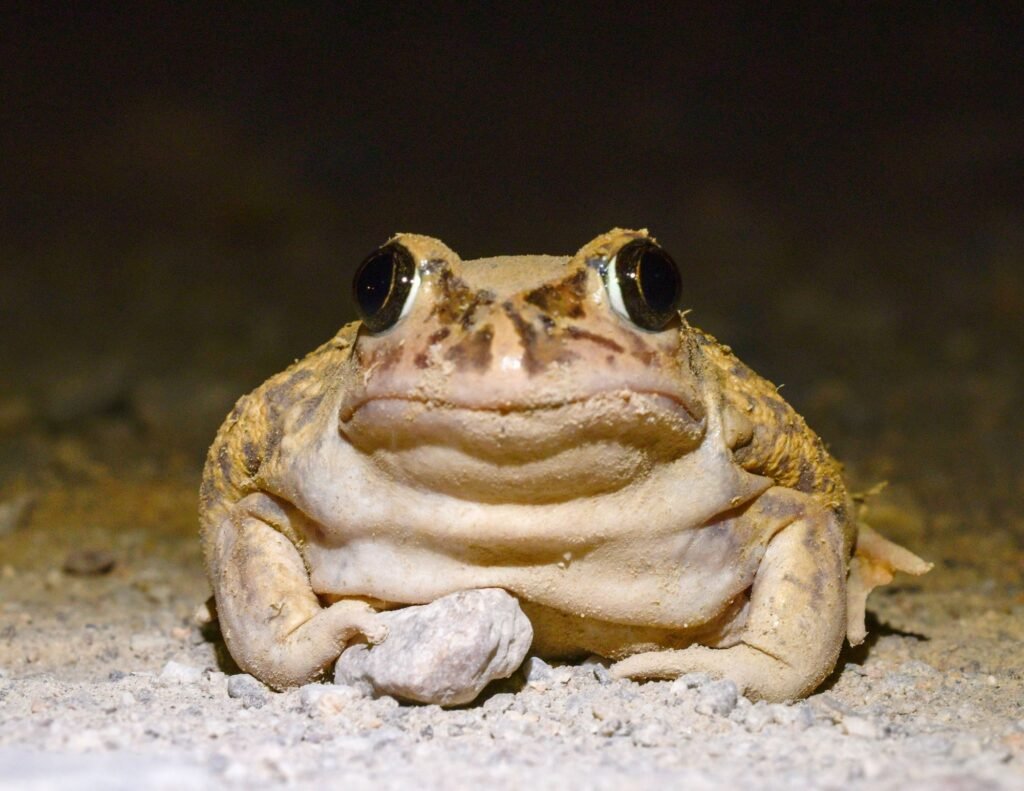
Toads, on the other hand, often come from a different stock and look bulkier and larger than their cousins. Some toads maintain a wide variety of color patterns, though most aren’t nearly as vivid as the options frogs get, largely because of where they live and which color codings help them blend in long enough to survive.
Setting aside any color variant, frogs are usually very smooth and slender, partially due to how active they are, whilst toads are bigger and swap wide color ranges for unique textures that can come in bumps, ridges, and at times almost leathery, primarily due to how dry they get.
3. Lifespan
Evidently, the larger size and less mobile lifestyle do wonders for the toad in nature, as they typically live anywhere from five to fifteen years. Meanwhile, frogs on average only live about two to ten years, but those numbers are strictly in the wild. With a loving home, that lifespan can almost double in some cases.
Assuming both amphibians are well-bred and have no hidden health issues, complications, or further incidents, a frog can live at least fifteen years, with some species living up to a whopping forty years. Toads, on the other hand, have the same capstone of forty years on the high end, but the low end is twenty, making them amazing pets for those looking for a long-term friend!
4. Behavior/ Socialization
Regarding other frogs and toads, neither creature inherently requires or desires active companionship; most circumstances lead to confrontation rather than multiple frogs or toads bonding together or enjoying each other’s company, and interactions can get hostile depending on the specific species you intend to purchase.
A good example is the Pacman Frog, which, left to its own devices, is a simple enough pet. Still, when attempting to own several in the same enclosure, they can quickly become hostile, and even display cannibalistic traits that obviously make it a poor choice for group housing attempts.
Through this social lens, the change isn’t that different; in fact, under most circumstances, they’re directly indifferent, with the best-case scenario being that they associate your approach with food, tolerate you holding them, or tolerate you being near. Neither toads nor frogs are social animals and can’t form loving bonds like cats and dogs.
If you are hoping to get a multi-colored friend that is happy to cuddle and nuzzle into you, you might want to see a different pet, as both toads and frogs are notoriously taken as “observation pets,” meaning you want to just gaze upon their comings and goings, without directly interacting with them, or opting to love them from afar.
5. Sleep Schedule
Like us, both toads and frogs have a sleep schedule they like to keep, and both are pseudo-nocturnal, most active at night when they are least likely to be noticed and preyed upon by keen-eyed hunters.
The way these two amphibians sleep is slightly different, however, as frogs enter a state called “protosleep,” which is akin to closing their eyes and resting, but being ready to react at a moment’s notice with hypervigilance on their surroundings, be it from potential threats or, more optimistically, potential meals.
Toads, on the other hand, care very little about predators in a reactive sense; they prefer the art of subterfuge and camouflage to stay safe, which pairs well with their somewhat immobile lifestyle, taking to hiding under rocks, logs, or even burying themselves entirely. Toads sleep throughout the day, hiding from the sun and predators, and become more active at night, seeking food or a new place to hide before the sun comes up again.
6. Diet
Despite their appearance, both frogs and toads are somewhat savage, in that they are carnivores and will literally eat anything living that can fit inside their mouth, and obviously not harm them for the attempt, with large toads being documented eating small mice and snakes (alongside the more obvious insect choices alongside slugs and worms), with frogs having a very similar diet. Still, the scope is a tad narrower due to their size.
Speaking of tads, or more importantly, tadpoles, they both share more similarity here as well, with their young being strict herbivores, eating algae, pollen, and other plant materials to make up the vast majority of their meals, and undergoing a very unique change as they mature, pivoting directly from this herbivore diet to something more meaty, often indulging in whatever bugs happen to fall into the water, or sit directly on the surface of it.
7. Cost
As we spoke on cost above, that was more so the expectation of what it would cost you to get the frog, and obviously the enclosure, decorations, thermometers, and everything else that would give your hopping friend a stable life; here we speak more towards generalized upkeep, and expected expenses on more of a by-the-month basis.
A vast majority of this investment, from both a toad and frog perspective, would go towards whatever food you opt to go with, opting to rotate food sources regularly to prevent stagnation, and keep your pet interested in the “hunting” side of its feeding time, even if these are purely for enrichment purposes.
Assuming we keep the cost of veterinary visits out of the equation, since this is more of a once-every-X-month scenario, you can expect to spend $10 to $40 per month on both creatures, depending on their diet and tank-cleaning needs.
Pros and Cons of Owning a Toad
Owning a toad has some pretty interesting perks; for starters, they have an exceptional lifespan, meaning you not only get to observe these guys growing into full adulthood, but they will continue to stay alongside you for years to come, potentially becoming a family pet even if you originally got them at the young age of, say, fifteen or so.
Additionally, they don’t take much effort to care for and are perfect for people with busy lifestyles because they are low maintenance, don’t really need interaction, and probably shouldn’t have any; they will let you live your best life while they enjoy theirs.
On the other hand, toads aren’t social animals, and don’t rightly care if you are there or not, so you won’t exactly get a fulfilling interaction by taking care of them, and not reciprocation (unless created from you associating them approaching the tank when you do), but again, this is a learned behavior, not truly compassion and caring.
Another con is that while holding your toad, you or someone else may startle it, causing it to urinate, and this urine can indeed live up to the legend of creating unsightly warts on the area it coats, which isn’t ideal for most people.
Pros and Cons of Owning a Frog
Frogs are truly a sight to behold, even more so depending on the species you get, and given that both frogs and toads are more “at-a-glance” kind of pets, the more spectacular an appearance they have, the more you get out of owning one personally. Frogs can make pretty grand declarations with their vivid, stunning colors.
Assuming you take the time to shop around, speak with breeders, and hand-pick a frog that not only has the precise color you want, but a specific pattern, you can get a pet you are literally always happy to see, which is important considering the dynamic of the relationship, even more to the point that frogs are very active creatures, with them climbing up and down fake tree limbs, alongside rocks, or even the edges of the enclosure; they can be very entertaining to observe.
Unfortunately enough, a vast majority of the negatives that ring true of toads also sound off for frogs as well; they are ultimately pets you cannot easily interact with, and any attempts to do so are very much to the detriment of the animal itself, with you potentially scaring it or harming it if it panics and attempts to leap away from you and it lands poorly.
Frogs, however, have a more unique negative aspect in that you need to be very diligent about how you set up their enclosure from a decorative standpoint, as you’ll need to make sure they have places to investigate, climb on, and situate themselves to get optimal lighting (at weird angles), and give unique habitats that may have you cleaning the enclosure itself more often than you’d like, perhaps even repairs for tanks that need certain amounts of water, which obviously entails unique cleanup options.
Which One Is the Best Animal for You?
The best amphibian for you mostly comes down to what you find most aesthetically pleasing. Vibrant color enthusiasts will likely enjoy a frog more than a toad, as some exist as animated rainbows. Still, for those of us who do not enjoy as much visual stimulation, either from the pet moving constantly or colors that are bursting at you from a glance, a toad will potentially make a better partner for you.
You should also consider tank upkeep and maintenance, as well as the animal’s lifespan. In most cases, toad owners don’t need to clean their tanks nearly as often as frog owners, and their lifespans are much longer, meaning you won’t go through heartbreak from your animal leaving your loving care as soon.
Final Words
Take time to think about which quirk or aesthetic matters most to you. Which one you wouldn’t mind gazing upon from afar before making a final choice. Since the food options and general upkeep are largely the same for both animals, you are really only choosing between colors and activity at the end of the day. Bear in mind, more keen owners may opt for rarer breeds of either species, and this will come with more specific costs and niche settings to make that animal feel at home, but again, think long term for both your sake and your pet’s!