
Finding the Perfect Home for Your Small Pet
When it comes to caring for small animals like hamsters, guinea pigs, or rabbits, one of the most important factors is providing enough room to roam. A well-sized enclosure isn’t just about luxury—it’s about their physical health and emotional happiness. Many pet owners underestimate the space their furry friends need, which can lead to stress or illness over time. That’s where a tool like ours comes in handy, helping you figure out the ideal dimensions for a cozy, safe habitat tailored to your pet’s species and group size.
Why Space Matters for Tiny Companions
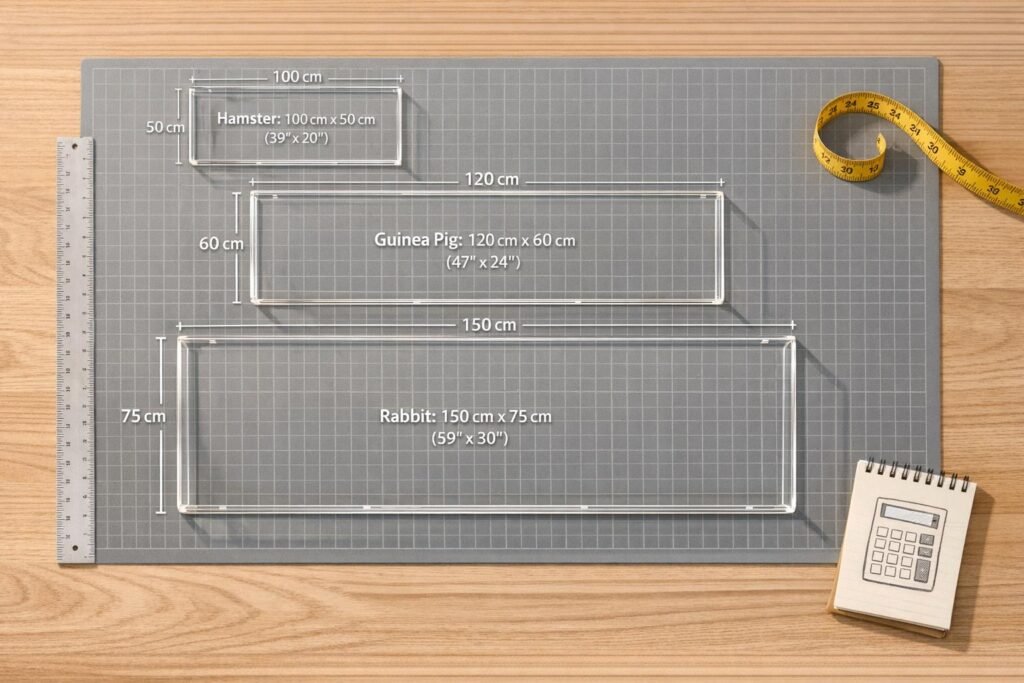
Different small animals have unique needs. A single guinea pig, for example, requires a baseline of about 7.5 square feet, while rabbits often need even more to hop around comfortably. Add in a buddy or two, and those requirements grow. Beyond just square footage, the layout of their living area plays a role—think wide-open floor plans for running or vertical additions for climbing. By understanding these needs, you can create an environment where your pet feels secure and stimulated. Whether you’re setting up a new cage or rethinking an old one, getting the measurements right is the first step to being a great pet parent.
FAQs
Why does habitat size matter so much for small pets?
Small pets like hamsters, guinea pigs, and rabbits need enough room to move, play, and rest without stress. Cramped spaces can lead to health issues like obesity or behavioral problems such as chewing or aggression. For instance, guinea pigs are social and active, so they thrive with ample floor space to explore. Our calculator uses minimum guidelines from vet-recommended sources to ensure your pet isn’t just surviving but truly thriving in their environment.
Can I use a smaller cage if I let my pet out often?
While free-roaming time is fantastic for exercise and mental stimulation, a habitat should still meet minimum size standards. It’s their safe haven for sleep, eating, and downtime, so it needs to feel spacious even when they’re inside for longer periods. Think of it as their bedroom—it should never feel like a closet! Use our tool to find a baseline, then add playtime outside the cage as a bonus.
What if my pet needs vertical space or extra features?
Some pets, like hamsters and rabbits, benefit from vertical space for climbing or burrowing. Our calculator includes a note with the results if your pet type might need multi-level setups or enrichment like tunnels and hideouts. Floor space is the priority for health, but adding height or toys can make their home even better. For specifics, check with a vet or species care guide to match your pet’s unique quirks.