Nurturing Your Small Pet with a Custom Diet Plan
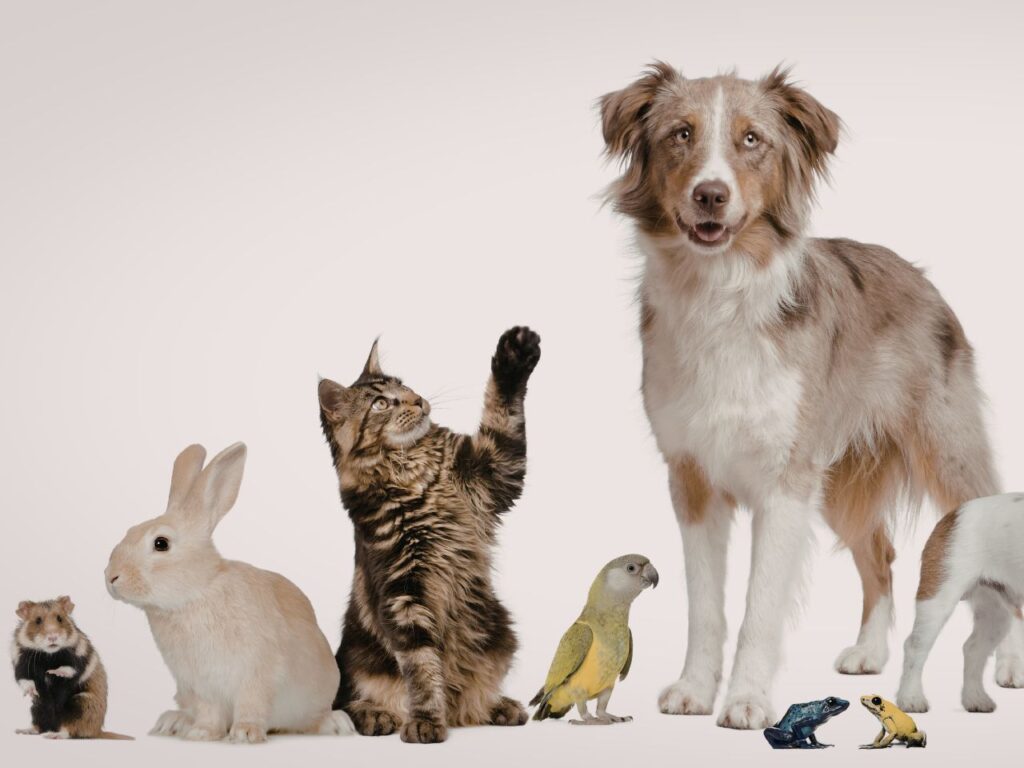
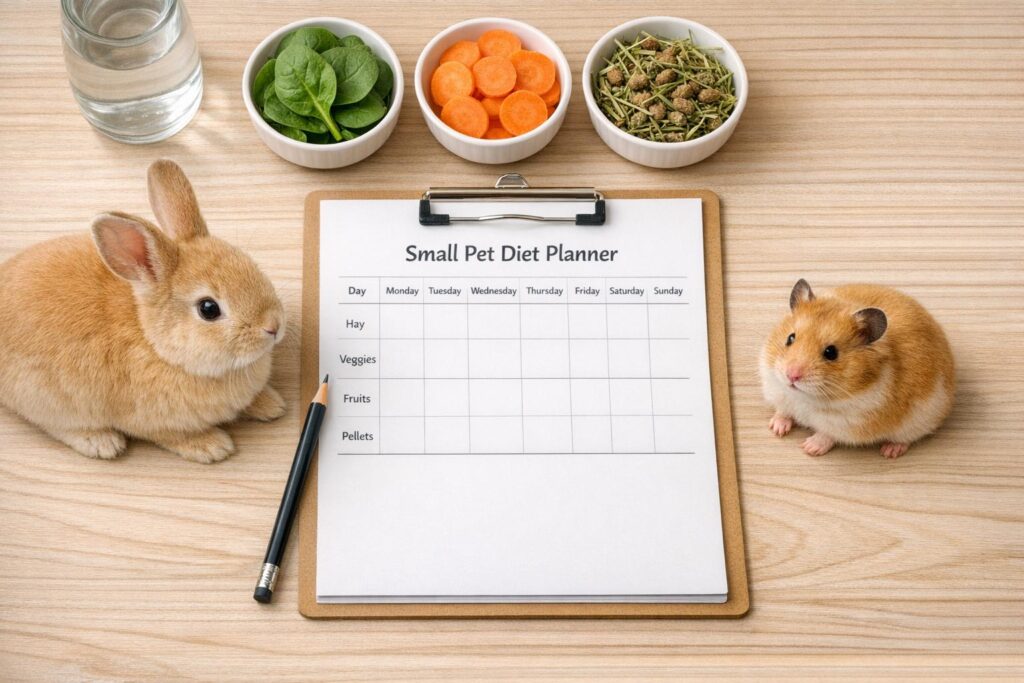
Caring for a small pet—be it a curious hamster, a bouncy rabbit, or a playful guinea pig—comes with the responsibility of ensuring they get the right nutrition. Many owners struggle to figure out the perfect balance of pellets, hay, and fresh veggies, especially when each critter has different needs based on age or activity. That’s where a tailored feeding guide can make all the difference, helping you provide meals that support their growth and vitality.
Why Nutrition Matters for Small Animals
Small pets have delicate systems, and an improper diet can lead to health issues like obesity or dental problems. For instance, rabbits need plenty of hay for digestion, while ferrets require protein-rich options. A well-thought-out nutrition strategy keeps their energy up and their coats shiny. By understanding their specific requirements, you can avoid common pitfalls and give them a diet that’s just right. Tools that simplify this process are a game-changer for busy pet parents who want the best for their little companions without hours of research.
Keep your furry friend thriving with a plan that fits their lifestyle!
FAQs
How accurate is this diet planner for my small pet?
This tool uses a vetted nutritional database tailored for small animals like hamsters, rabbits, and ferrets, so it’s pretty spot-on for general needs. It considers factors like age and activity to suggest balanced portions. That said, every pet is unique—if they’ve got specific health issues or quirky eating habits, I’d recommend chatting with your vet to tweak the plan.
Can I use this planner for multiple pets at once?
Right now, the planner is designed to create a diet for one pet at a time. If you’ve got a whole crew of small critters, just run through the tool for each one separately. It’s quick, and you’ll get a tailored plan for each of your furry pals based on their individual stats.
What if my pet won’t eat the suggested foods?
Hey, pets can be picky eaters, just like us! If they’re turning up their tiny noses at the recommended portions of hay or veggies, try introducing new foods slowly by mixing them with their favorites. Keep an eye on their weight and energy levels, and if things don’t improve, a vet visit might help uncover any underlying issues.