
Guinea pigs are one of the best small critters you can have in your own home. Not only do they not take up much space, but they are incredibly entertaining and cuddly. Guinea pigs, also known as cavies, need lots of assurance that their environment is safe and friendly. Because of this, you might be considering whether a guinea pig’s cage can be covered at night, especially if you want to give them the best life you possibly can.
To answer you straightforwardly, it is not recommended to cover a guinea pig cage at night because they may have trouble breathing. However, you may still cover it, but only under specific circumstances, like if there is another animal in your home that you are trying to protect the guinea pigs from. Also, it is important to use a specific type of material, such as mesh cloth instead of a heavy-duty blanket, to ensure there is enough breathing room.
In this article, we will discuss reasons why people may want to cover a guinea pig cage and reasons to keep it uncovered so you can see the pros and cons of each scenario.
We will also discuss whether you can cover their cage halfway while leaving the other half open, as well as what type of cover works best for guinea pig cages. Overall, we have a wide variety of topics to discuss so you can become more knowledgeable on the subject. We encourage you to continue reading for more.
What Are the Reasons People Want to Cover a Guinea Pig Cage?
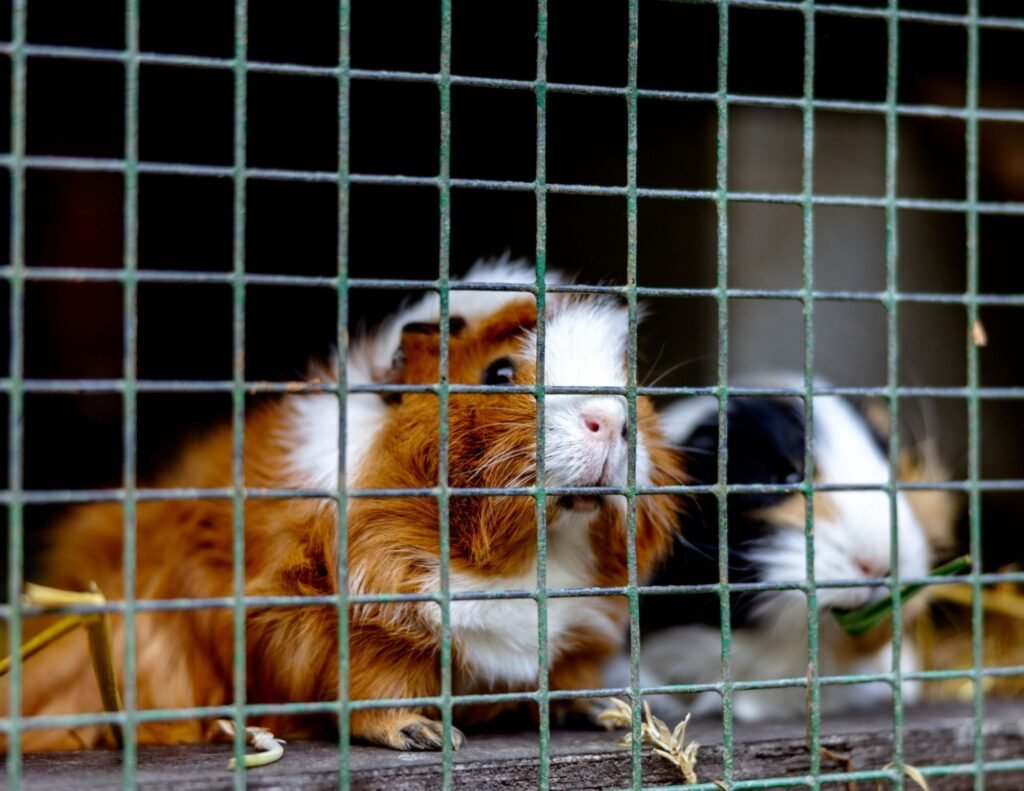
As mentioned above, there are many reasons why people would want to cover a guinea pig cage. Because guinea pigs are prey animals, they naturally want to hide in huts or other spaces if they hear a loud noise, get startled, see another animal, or something of the like.
Due to their instincts, as their owners, you may want to ensure they remain as calm as possible or try not to interrupt them as much. So, let us review the reasons below.
1. Temperature Control
One of the biggest reasons people may want to cover up their guinea pig cages is cold weather, especially in winter when it may get drafty. This could be due to many reasons, like the cage being placed near a window or door, the house being older, small gaps and cracks in the walls, or poor insulation.
2. Preventing Disturbances
Some homes might be extremely loud, especially if you have a lot of people in the house. Alternatively, you might have cats, dogs, or other animals that might startle your guinea pig throughout the day, especially if you are not there. In this case, you may want them to be covered to prevent any disturbances or anxiety from popping up.
3. Protection From Perceived Threats
As mentioned above, other pets might be the problem when it comes to guinea pigs feeling safe, especially if you have birds. Because guinea pigs are prey animals, they are typically afraid of birds. Even if you do not have birds, guinea pigs will inevitably get scared when you approach them, especially if they are still learning who you are as a person for the first few months of you having them.
On top of this, if you do not approach them slowly, regardless of how long you have had your pet, they might immediately hide from you. Although you may not consider yourself a perceived threat, they will still attempt to hide from you, which is why it is wise to give them plenty of hiding spaces.
4. Calming Effects
Some guinea pig owners believe that covering their cage provides a sense of calm instead of giving them anxiety. This might depend on the guinea pigs themselves, so it is wise to monitor their behavior after covering their cage.
However, because guinea pigs like to hide from anything that might scare them, having something that covers them up, like a cage cover, might be the best choice. Another thing to consider is that providing a cover for new arrivals might help reduce any anxiety they may be feeling until they get used to their environment.
5. Prevent Your Guinea Pigs From Escaping
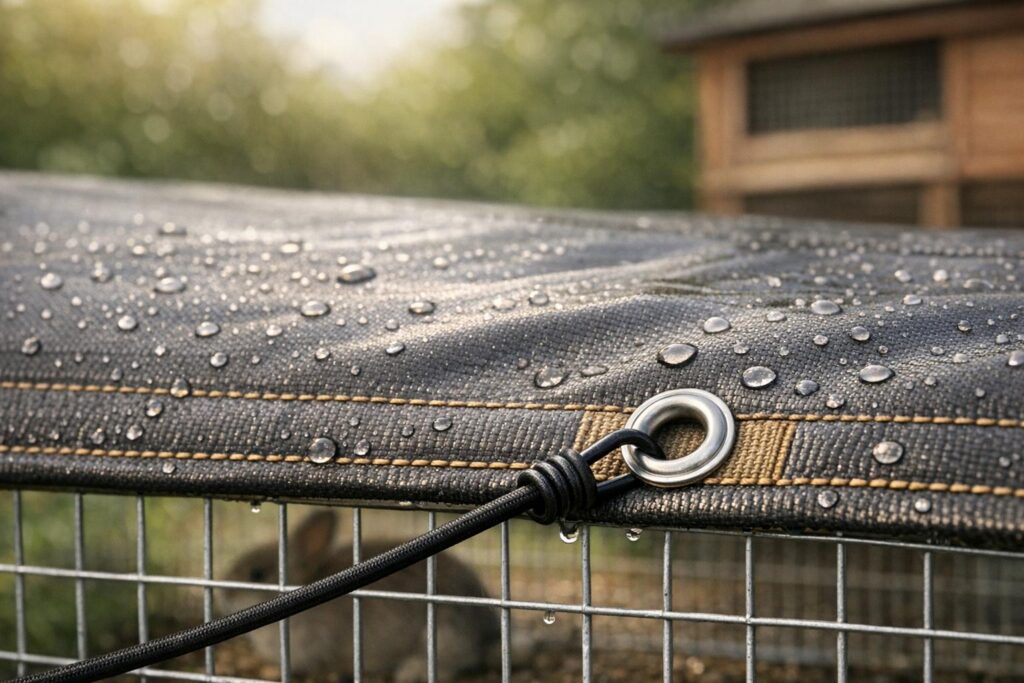
When done right, the cover may help prevent your guinea pig from escaping, especially if there is an open area. This would require clamps or something similar to ensure the blanket does not move spaces.
6. Draft Protection
Suppose the only place you can put the guinea pig cage is right by the AC unit, window, or somewhere there is a draft. In this case, it is wise to provide a cover for their cage to ensure they are protected from the draft. However, guinea pigs can develop upper respiratory infections; it is wise to keep them in a space without drafts to support their overall well-being.
What Are the Reasons to Keep Guinea Pig Cages Uncovered?
Aside from the reasons people want to cover a guinea pig cage, there are plenty of reasons why cavy owners do not wish to keep their cages covered. This is especially true if their cage is on the floor and does not have a roof or top part. Even so, let us review reasons why you might want to keep it uncovered before we enter any more questions on keeping their enclosure concealed.
1. Guinea Pigs Are Active at Night
Guinea pigs are considered crepuscular animals, which means they are not diurnal or nocturnal. Instead, they take naps here and there, and in essence, they are mostly active during dawn and dusk. If you cover your guinea pigs’ cage, they will not be able to play, explore, and run in their surroundings because they feel frustrated or trapped. For this reason, many cavy owners opt to keep their cage free from covers.
2. Their Mood and Habits Remain Good
Guinea pigs form good bonds with other guinea pigs, but more importantly, with their owners. If you cover their enclosures, their moods and habits might suffer. For example, instead of being cheerful and playful, they might bite or become aggressive to their companions or even you, especially if left alone for too long.
Note: If you are a visual person, it might be more difficult for you to remember your guinea pigs, whereas if they are uncovered, your subconscious will remind you to play with them more. The more you play with your guinea pigs, the more social and less aggressive they will be.
Another thing to consider is that your cavies’ eating habits might suffer if their cage is closed off as well, which could lead to malnourishment or dehydration. For example, some guinea pigs love taking food from your hands, which provides more socialization. However, if their cage is closed off from your room (or wherever they are), then they might have a more difficult time seeing you and asking for food and water.
3. Easier Breathing
Depending on what kind of sheet or blanket you use, guinea pigs might have a very difficult time breathing. Because of this, lots of guinea pig owners may keep their cages covered to allow easier breathing. However, as we reviewed earlier, some guinea pig owners keep it covered during the cold-weather season to ensure they do not get too cold.
Even still, guinea pigs will inevitably breathe easier when they are uncovered, so it would be wise to research how to keep the room they are in less drafty, if that is the case.
4. May Sleep Better
Guinea pigs sleep better in dark places because they are prey animals. However, if their cage is continuously covered, they might confuse that with being able to sleep wherever. In return, a covered cage can cause sleeping problems. However, allowing their cage to be open and uncovered allows guinea pigs to sleep better because their natural rhythm can take place.
5. Keep the Stress Down
Guinea pigs can easily become stressed, especially if there are lots of changes being made. For example. if you have your guinea pig cage uncovered but all of a sudden start covering it, they might start chewing on the cage or become uneasy. For this reason, many cavy owners will opt to keep their cages uncovered.
On top of this, guinea pigs will most likely get more bored if it is covered, making it a less stimulating environment for them. This is not good because guinea pigs need lots of mental stimulation to ensure they do not feel depressed or lonely.
Another thing to keep in mind is that if a guinea pig feels sad or stressed, this could lead to health concerns, like hair loss or gastrointestinal problems.
6. They Will Not Escape Their Cage
The type of cage your little furry friend has will determine whether they can escape or not. For example, if you have an enclosure that does not have a roof or top cover, the guinea pig might attempt to move it.
If not secured properly, then the blanket might fall, which may allow your guinea pig to escape their cage. Because of this, guinea pig owners might be concerned about their overall well-being and keeping them secure, which is why they may want to keep the cage uncovered.
Is There Any Time When You Would Need to Cover a Guinea Pig’s Cage?
The best time to cover your guinea pig cage is in the evening, when the temperature drops and there is little to no movement in the house. This is because your guinea pig could get cold, which means they are more susceptible to getting sick. On top of this, having a cover may help your guinea pig sleep better. However, during the daytime, the cover should be off to ensure your guinea pig does not feel secluded.
Can You Cover Half of a Guinea Pig Cage?
Covering half of your guinea pig cage is acceptable because they will still have that sense of security while also being able to explore in the “field,” so to speak.
Imagine, if you will, that your guinea pig is in the wild and goes under a rock, log, or small cave to hide after being able to explore an open grassy plain. However, when they hear something that may scare them, they can go back into the dark areas or hiding space to ensure they feel that sense of security.
Because of this, having half of their cage covered will be perfectly okay, especially since half of their cage is open and they can still breathe very well. This might also help with any draft coming from a specific area.
What Should You Consider Before Covering a Guinea Pig Cage?
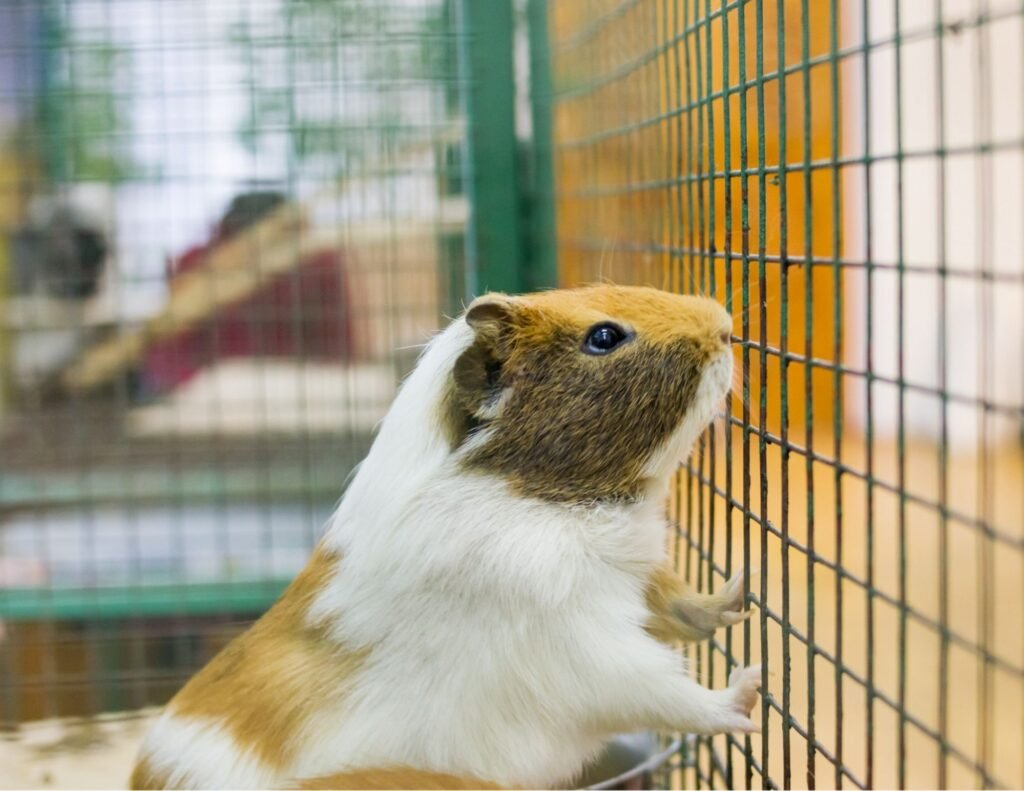
Before covering a guinea pig cage, you should consider a few things, like making sure it is not a heavy-duty bedspread that holds a lot of weight and may fall on top of your animals. Even still, let us review them all below.
1. Easy-to-Remove Cover
It is wise to get a cover that is easy to remove, especially if you are going to take it on and off from day to night. For example, Exotic Nutrition offers a 22″D x 33″W x 36″H cover that fits perfectly around guinea pig cages made from polyester material. Not only is it durable, but it is also machine-washable, which is another thing we will go over.
2. Plenty of Airflow
Guinea pigs might get anxious or unable to breathe if they do not have enough airflow. Because of this, it is wise to ensure they have plenty of oxygen before leaving them. If you sense they are not getting much air after covering them up, then it would be wise to leave them uncovered or cover part of their cage while the rest stays open.
3. The Size of the Cover
If the cover is extremely large, like a queen-size cover, then that will be much too large to put on top of a guinea pig cage. However, if you use something smaller, like a twin bed sheet that is not too thick, then this might be suitable to cover the cage with. Even still, it is wise to ensure they can breathe, as the last thing you want is to cut off circulation from your guinea pig!
4. Breathable Mesh Materials
Anything that you cover your guinea pig cage with should be made out of mesh or breathable material. Some of these materials might be linen, bamboo, or polyester (an engineered synthetic). These fabrics allow good circulation and do not retain much moisture, unlike cotton.
Even still, it is wise to ensure the fabric is lightweight enough. Another thing you can invest in is a cage cover, which provides plenty of breathability for the guinea pigs while keeping them from escaping.
5. Ensure the Cover Is Washable
If the cover is not machine-washable, or just washable in general, then it will become really gross and unusable. Since the sheet or cover is going to be near or on a guinea pig cage, it is important to ensure you can wash it thoroughly to remove any odors.
We recommend washing the cover at least once a week when you do your weekly cage clean. Another option is to buy another cover so it is on there once you are done cleaning. This will save you the time of waiting for the dirty one to be done before putting it back on.
What Are the Pros and Cons of Covering a Guinea Pig Cage?
There are pros and cons to covering up your guinea pig cage. For a quick and easy way to see them, we have made a quick chart to show them to you more easily.
| Pros | Cons |
| Protects from predators (kids, animals, loud noises, etc.) | May worsen their breathing |
| Provides extra darkness (more hiding spaces and no sun in their eyes) | Could change their mood and food behavior |
| Keeps the drafts out (AC and cold air) | Can be very stressful due to lack of stimulation and too dark |
| Helps the temperature be stable during the winter. | Being covered might cause sleeping issues |
When Should You Uncover a Guinea Pig Cage?
It is best to uncover a guinea pig cage in the morning, when it is time to get up and moving! This could be an indicator for your guinea pigs that it is time to put fresh food and water in their enclosure. Once your cavy realizes the routine, they will be thrilled to see your face every morning, allowing more of a bond to be formed.
Final Thoughts
To summarize everything in a nutshell, although guinea pigs can technically be covered at night, it might not be the wisest thing to do. However, we recommend monitoring your cavies’ behavior if they are covered for several nights in a row to ensure their overall health is okay. If you notice they are starting to feel unwell or seem stressed, it is best to leave their enclosure uncovered.
Make sure you keep their cages uncovered during the daytime as well so they do not feel secluded from everything. If you have any more questions about guinea pigs, we recommend reading our other articles to ensure you have the best knowledge on them!