
Hamsters often face reproductive health challenges, especially as they age. Common issues include uterine infections, tumors, pregnancy complications, and cysts. These problems can severely impact their health and require early detection for effective treatment. Symptoms like lethargy, abnormal discharge, swollen abdomen, or behavioral changes are warning signs. Regular vet visits, balanced diets, and proper care are crucial for prevention.
Key Points:
- Common Disorders: Pyometra, uterine tumors, dystocia, mastitis, and ovarian cysts.
- Symptoms to Watch: Foul-smelling discharge, abdominal swelling, lethargy, or unusual behavior.
- Causes: Genetics, poor diet, stress, infections, or unsuitable living conditions.
- Treatment: Antibiotics, hormone therapy, or surgery (e.g., spaying).
- Prevention: Provide a balanced diet, maintain clean and quiet habitats, and schedule regular vet checkups.
Early intervention is critical – if you spot concerning symptoms, consult a vet immediately.
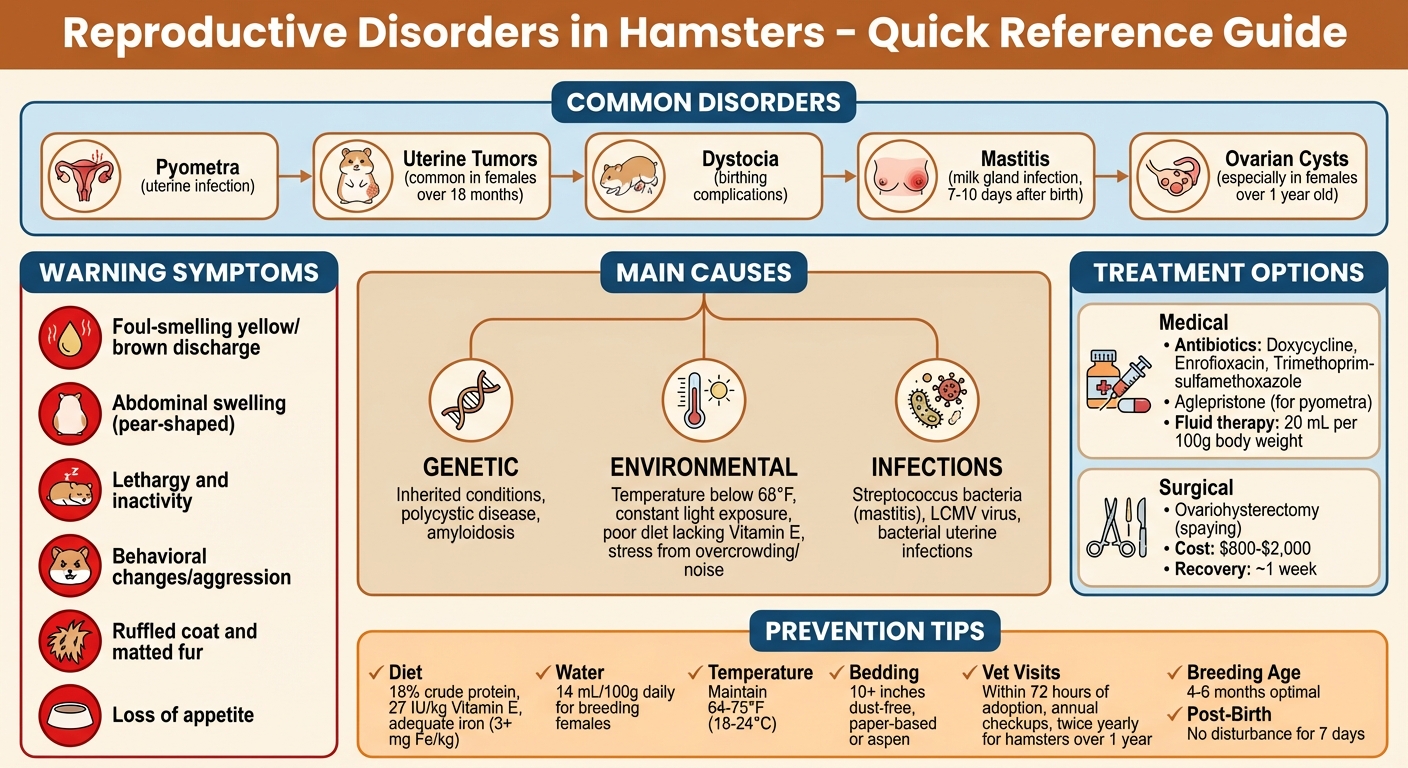
Common Reproductive Disorders in Hamsters: Symptoms, Causes, and Prevention Guide
What Causes Reproductive Disorders in Hamsters
Reproductive disorders in hamsters can stem from genetic predispositions, environmental conditions, and infections or other health issues. Each of these factors plays a role in compromising reproductive health.
Genetic Factors
Some hamsters are born with inherited conditions that can hinder their ability to reproduce. Dr. Katherine E. Quesenberry emphasizes:
"A number of genetic defects are associated with various types of hamsters, so breeding hamsters without having knowledge of their genetic heritage is not recommended."
Female hamsters, in particular, are prone to certain conditions. Polycystic disease, for instance, causes fluid-filled cysts to form in the ovaries and uterus, especially in females over one year old. Another common issue is amyloidosis, a condition where dense protein deposits accumulate in organs, leading to systemic health problems that can impair reproduction.
But genetics is only part of the story – environmental factors also play a significant role.
Environmental and Care-Related Factors
The environment a hamster lives in has a direct impact on its reproductive health. For example, temperature is critical. If the temperature drops below 68°F, it can lead to infertility, smaller litter sizes, or even spontaneous abortions. In extreme cases, temperatures below 41°F may cause hamsters to enter torpor, a state similar to hibernation. Lighting also matters – exposure to constant light for just three days can disrupt a female hamster’s estrous cycle and trigger persistent estrus.
Diet is another key factor. Many seed-based diets lack Vitamin E, which is essential for fetal nervous system development and ensuring healthy births. A commercial rodent chow with about 24% protein provides better nutritional balance. Stress is yet another concern. Overcrowding, excessive noise, or frequent handling – especially during the first week after giving birth – can lead mothers to abandon or harm their pups. Without proper nesting materials, female hamsters may feel insecure, which can result in smaller litters or infertility.
Beyond these environmental influences, infections and health complications can further endanger reproductive health.
Infections and Other Health Problems
Bacterial infections pose significant risks to reproductive health. Mastitis, often caused by Streptococcus bacteria, inflames the milk glands 7 to 10 days after birth, sometimes prompting mothers to abandon their pups. Uterine infections, particularly common in older females, can lead to a foul-smelling yellow or brown discharge. Additionally, the Lymphocytic Choriomeningitis Virus (LCMV) may be passed from an infected mother to her unborn pups.
Other health issues also complicate reproduction. Uterine tumors are frequently seen in females over 18 months old, causing symptoms like abdominal swelling and persistent bleeding. Birthing complications, such as pups becoming stuck in the birth canal or incomplete uterine shedding, can create life-threatening scenarios. These issues often intersect with genetic or environmental vulnerabilities, making early detection and intervention crucial.
Symptoms and How Disorders Are Diagnosed
Catching reproductive disorders in hamsters early can make a big difference in treatment outcomes. Since hamsters are experts at hiding symptoms, it’s important to watch closely for any warning signs.
Physical Symptoms to Watch For
One major red flag is unusual vaginal discharge. A creamy white, stringy discharge every four days is typical during a hamster’s estrous cycle. However, discharge that’s yellow, brown, bloody, or foul-smelling could point to infections or tumors. Another concerning sign is a sudden increase in abdominal size, especially in females that aren’t pregnant. This could suggest uterine tumors, ovarian cysts, or fluid buildup. If you notice a pear-shaped abdomen or feel lumps during regular weigh-ins, it’s time for a vet visit.
Mastitis, an infection of the milk glands, is another condition to be aware of. It usually shows up 7 to 10 days after giving birth, with symptoms like swollen, inflamed glands that may leak pus or mucus. Other physical signs to keep an eye on include a ruffled coat, trouble walking, and matted fur around the genital area.
Next, consider how your hamster’s behavior might signal a problem.
Behavioral Changes That Might Indicate Issues
Behavioral shifts often appear before physical symptoms. Lethargy is a common early sign; a hamster that stops exploring or playing could be dealing with pain or an infection. Pregnant females might act restless as they approach their due date. On the flip side, sudden aggression, a sharp drop in appetite, or unusual actions like cannibalism or abandoning their litter can point to underlying issues. These behaviors could be tied to infections like mastitis or stress-related complications.
Once symptoms are noted, veterinarians rely on specific diagnostic methods to confirm what’s going on.
How Veterinarians Diagnose Problems
After observing symptoms, veterinarians conduct detailed exams to pinpoint the issue. A physical exam is the starting point, where the vet palpates the abdomen to check for masses, lumps, or fluid-filled cysts. They’ll also inspect the perineal area for any abnormal discharge. Monitoring the hamster’s body temperature is another key step, as their normal range is between 98°F and 101°F.
To get a closer look, imaging tools like ultrasounds and CT scans help identify tumors, cysts, or fluid buildup. Lab tests, including bacterial cultures and blood or urine analyses, are also essential. These tests can confirm infections and help differentiate between conditions. Factors like discharge color, consistency, and odor, along with changes in eating, drinking, and behavior, provide valuable clues for diagnosis.
Treatment Options for Reproductive Disorders
Once your veterinarian has diagnosed a reproductive issue in your hamster, they’ll suggest a treatment plan tailored to the condition’s severity. The approach may involve medication or, in more serious cases, surgery.
Medications and Medical Treatments
For bacterial infections like mastitis or pyometra, antibiotics such as Doxycycline, Enrofloxacin, and Trimethoprim-sulfamethoxazole are commonly prescribed. However, not all antibiotics are safe for hamsters. Drugs like penicillin, ampicillin, erythromycin, and cephalosporins can disrupt gut bacteria and potentially be fatal. Dr. Katherine E. Quesenberry highlights the risks:
"Using antibiotics on your hamster could endanger your pet’s life".
Always consult your veterinarian before administering any medication, including over-the-counter or human drugs.
For non-surgical management of pyometra, Aglepristone is often used. This medication blocks progesterone, helping to relax the cervix and promote drainage. While antibiotics alone rarely resolve pyometra, Aglepristone targets the hormonal root of the issue. Additionally, dehydrated hamsters may need fluid therapy, such as saline or lactated Ringer’s solution, at a dosage of 20 mL per 100 grams of body weight. Pain relief and supportive care, like bismuth subsalicylate for gastrointestinal discomfort, can also aid recovery.
If medical treatments don’t work or the condition is advanced, surgery may be the only option.
When Surgery Is Needed
Surgical intervention becomes necessary when medications fail or the condition is severe. Ovariohysterectomy (spaying) is the preferred procedure for treating pyometra, polycystic disease, and uterine tumors, as it removes the infection source and prevents recurrence. HamsterAnswers emphasizes:
"Surgical removal of the uterus and ovaries is the only cure for pyometra."
In cases of closed pyometra – where pus cannot drain – surgery is critical to prevent life-threatening complications like uterine rupture or sepsis. Other emergencies, such as intussusception (intestinal folding during pregnancy) or cysts at risk of bursting, also require immediate surgical attention.
Surgical costs typically range from $800 to $2,000, so discussing all options with your veterinarian is important. Keep in mind that some vets may hesitate to perform surgery on hamsters older than six months due to the heightened anesthesia risks for small animals.
Post-Treatment Care and Recovery
Proper post-treatment care plays a key role in ensuring your hamster’s recovery. Most hamsters heal within about a week with attentive care. Veterinarians usually prescribe painkillers and a short course of antibiotics to prevent secondary infections. For liquid medications, use a dropper carefully to avoid accidental overdoses.
Protect the surgical site, as hamsters may groom or bite at their stitches, potentially causing complications. Clean and sanitize their food containers, water bottles, and bedding. Provide a warm, dry, and quiet environment to support healing. If your hamster refuses to eat, syringe feeding with oral glucose or electrolyte solutions may be necessary. Watch for signs of diarrhea, which could indicate that antibiotics are upsetting their gut bacteria.
Finally, handle your hamster gently during recovery. Instead of picking them up directly, use a small container to move them, as they may act defensively if startled.
sbb-itb-e212914
How to Prevent Reproductive Disorders
When it comes to reproductive health in hamsters, prevention is always the best approach. While early diagnosis and treatment are crucial for addressing issues, taking proactive steps can help minimize risks and keep your hamster healthy. By focusing on proper nutrition, creating a suitable living environment, and prioritizing veterinary care, you can significantly reduce the likelihood of reproductive problems.
Feeding a Balanced Diet
Nutrition plays a key role in supporting reproductive health. A diet containing 18% crude protein and 27 IU/kg of Vitamin E is essential for maintaining healthy reproductive cycles and ensuring proper fetal development. Without these nutrients, issues like stillbirths or maternal infanticide can occur. Iron is equally critical during pregnancy; diets with insufficient iron – around 3 mg Fe/kg – can lead to high prenatal mortality rates.
To meet these dietary needs, replace seed-based mixes with high-quality pelleted food. Supplement this with fresh vegetables and limit fruit intake. Female hamsters, especially those breeding, require significantly more water than males. Ensure breeding females have access to 14 mL/100g of water daily, compared to 5 mL/100g for males.
Providing Good Living Conditions
Environmental factors are just as important as diet when it comes to reproductive health. Keep your hamster’s habitat at a stable temperature between 64°F and 75°F (18°C to 24°C) to avoid issues like torpor, which can negatively affect reproduction. Offering at least 10 inches of dust-free bedding supports natural burrowing behavior, reducing stress for breeding females. Opt for paper-based or aspen bedding, as cedar and pine shavings can irritate their respiratory systems.
Pregnant females need plenty of shredded paper or hay for nesting. Without these materials, they may abandon or even cannibalize their litters. Position cages in quiet areas, away from loud or high-frequency noises, as hamsters are highly sensitive to sound. Housing them individually – except during controlled breeding – also prevents territorial aggression. After birth, avoid disturbing the mother and pups for at least seven days to reduce stress and prevent infanticide.
Scheduling Regular Vet Visits
Regular veterinary checkups are essential for early detection of potential health issues. Schedule an initial vet visit within 72 hours of bringing your hamster home to identify any pre-existing conditions and establish a baseline weight. Dr. Katherine E. Quesenberry highlights the importance of early vet visits:
"Bring your hamster to a veterinarian for a health checkup as soon as possible. An early medical visit can identify health problems and also establishes a medical record".
Adult hamsters should have annual checkups, while those over one year old need exams twice a year to monitor for cysts, tumors, or organ failure. During these visits, veterinarians check for abdominal masses and any signs of infection, such as unusual discharge. For breeding hamsters, a prenatal checkup ensures the mother is healthy, and pups should see the vet when they are about a month old. Keep an eye out for daily warning signs like hunched posture, inactivity, or abnormal discharge, and address these concerns promptly.
Conclusion
Key Takeaways
Hamster reproductive health can be influenced by several factors, including stress, poor nutrition, aging, and infections. Female hamsters face unique challenges such as uterine infections (pyometra), tumors, ovarian cysts, and mastitis. These risks increase significantly in older females, particularly those over 18 months of age. Behavioral changes, like cannibalism, may also point to underlying reproductive issues, often triggered by stress.
Early detection plays a crucial role in managing these problems. As Dr. Katherine E. Quesenberry explains:
"Problems that are noticed early are easier to solve".
Be alert to symptoms like vaginal discharge, abdominal swelling, or changes in behavior. If you notice hemorrhagic vaginal discharge, seek emergency care immediately. Regular check-ups are vital since hamsters, due to their small size, can decline rapidly when health issues arise.
Preventing reproductive problems starts with proper care. Provide a balanced diet, maintain a stress-free environment, and schedule routine veterinary visits. Breeding females require extra attention – breed them between 4 and 6 months of age, avoid disturbing mothers and their pups for at least seven days after birth, and ensure pregnant hamsters receive prenatal checkups.
Additional Resources
For ongoing care and expert advice, consult a veterinarian who specializes in exotic animals. You can find qualified professionals through exotic animal vet directories or your state’s veterinary medical society listings. Make sure to choose a clinic that offers 24-hour emergency care, as some reproductive issues demand immediate attention.
For more tips and detailed guides on hamster care, visit Little Pet Corner. Their resources cover everything from nutrition and housing to preventive healthcare for small pets.
FAQs
What are the early warning signs of reproductive health issues in hamsters?
If your hamster shows signs of reproductive health issues, you might notice a swollen or bloated abdomen, abnormal vaginal discharge (like blood or pus), reduced appetite, or lethargy. Female hamsters may also experience irregular or missed heat cycles, especially if their breeding patterns are disrupted.
Spotting these symptoms early is crucial. Reach out to a veterinarian promptly, as timely care can greatly improve your hamster’s chances of recovery and overall well-being.
How can I create a healthy living environment to prevent reproductive problems in my hamster?
To help reduce the risk of reproductive problems in your hamster, focus on creating a calm and well-maintained living environment. Start by selecting a cage with a solid bottom – this prevents injuries – and ensure it’s spacious enough for your hamster to move freely. For Syrian hamsters, aim for at least 10 × 12 inches, while dwarf hamsters need a minimum of 8 × 10 inches. Avoid cages with wire floors, as they can harm your pet’s feet.
Maintain a room temperature between 65°F and 75°F with humidity levels around 40%–60%. Keeping the environment stable can help prevent hormonal issues. Provide consistent lighting – 12 to 14 hours of light per day – to minimize stress, which can contribute to reproductive challenges. Use soft, dust-free bedding like shredded paper or aspen shavings, and give your hamster nesting materials such as tissue paper to encourage natural behaviors.
If you have both male and female hamsters, it’s best to house them separately unless you’re an experienced breeder. Regularly clean the cage and include toys or tunnels to keep your hamster active and reduce stress. These steps promote a healthier environment and can help lower the chances of reproductive issues.
When should I consider surgery for my hamster’s reproductive health issue?
Surgery is often considered a last resort for hamsters dealing with serious reproductive issues, especially when medications fail to provide relief. Conditions like pyometra – a severe uterine infection – or polycystic disease, which involves painful fluid-filled cysts in the ovaries or uterus, may require spaying. This procedure can address the issue and help prevent dangerous complications, such as ruptures or recurring infections.
If your hamster shows warning signs like a swollen abdomen, loss of appetite, rapid weight loss, persistent vaginal discharge or bleeding, or signs of pain (such as avoiding being touched), it’s crucial to consult a veterinarian. Diagnostic tools like ultrasounds or X-rays can help confirm conditions such as large cysts or closed pyometra, where surgery might be the only way to save your pet’s life.
Although spaying can be life-saving, it’s a major surgery for a small animal like a hamster. Work closely with your vet to carefully assess the risks and benefits. If you notice any concerning symptoms, don’t delay seeking care – quick action can make all the difference in ensuring your hamster’s health and recovery.