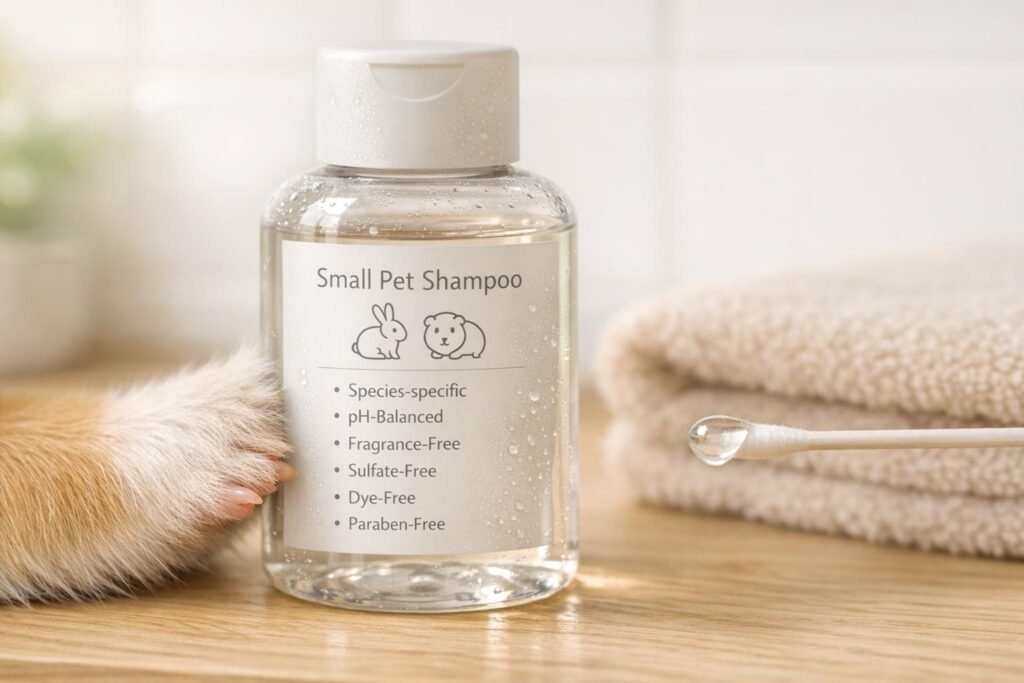
How to Choose Safe Shampoo for Small Pets
Choose species-specific, pH-balanced, fragrance-free shampoos; avoid sulfates, dyes, parabens, and always patch-test on small pets.

Choose species-specific, pH-balanced, fragrance-free shampoos; avoid sulfates, dyes, parabens, and always patch-test on small pets.
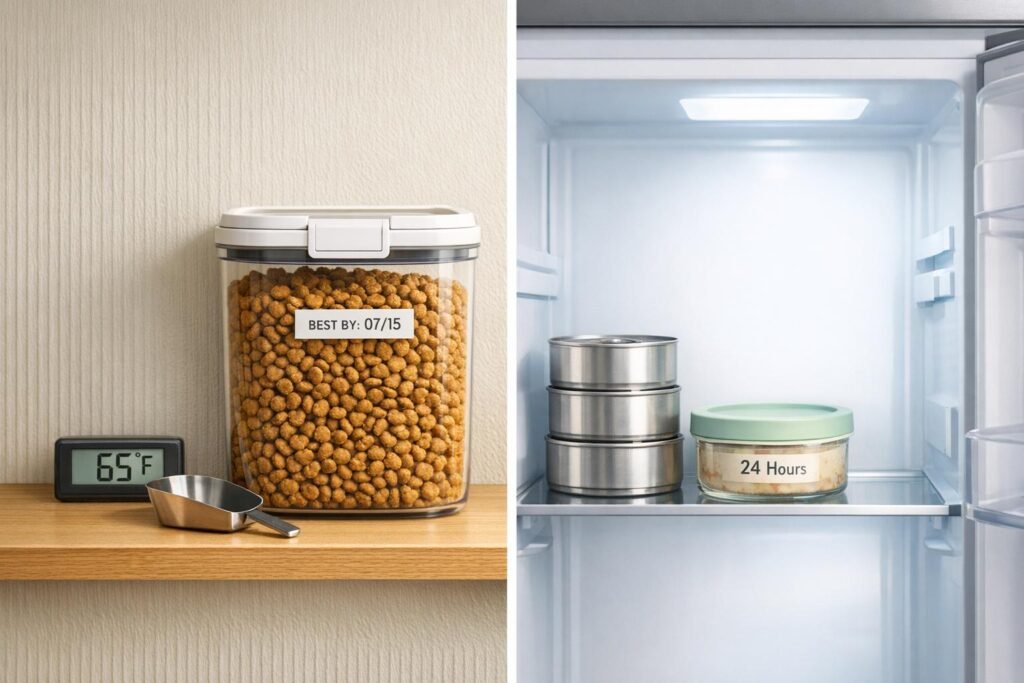
Safe storage guidelines for dry kibble and canned wet food: temperatures, containers, shelf life, and common mistakes.
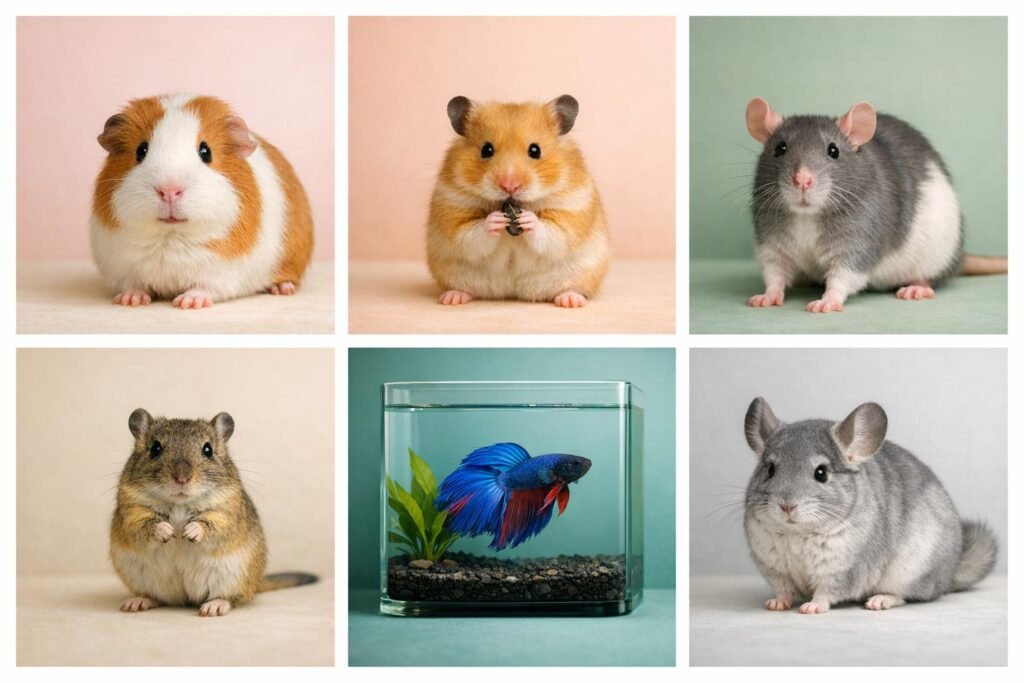
Care, costs, space, and handling tips for guinea pigs, hamsters, rats, gerbils, bettas, and chinchillas to help first-time owners.
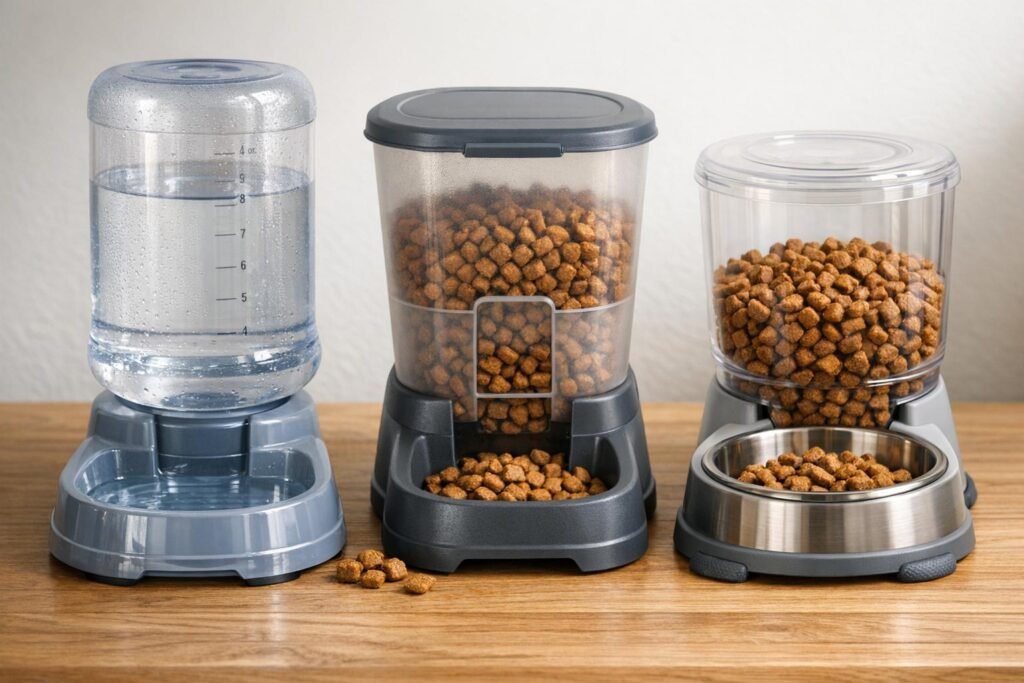
Compare affordable gravity feeders under $30 for cats, rabbits, and small dogs—capacity, materials, and stability tips.
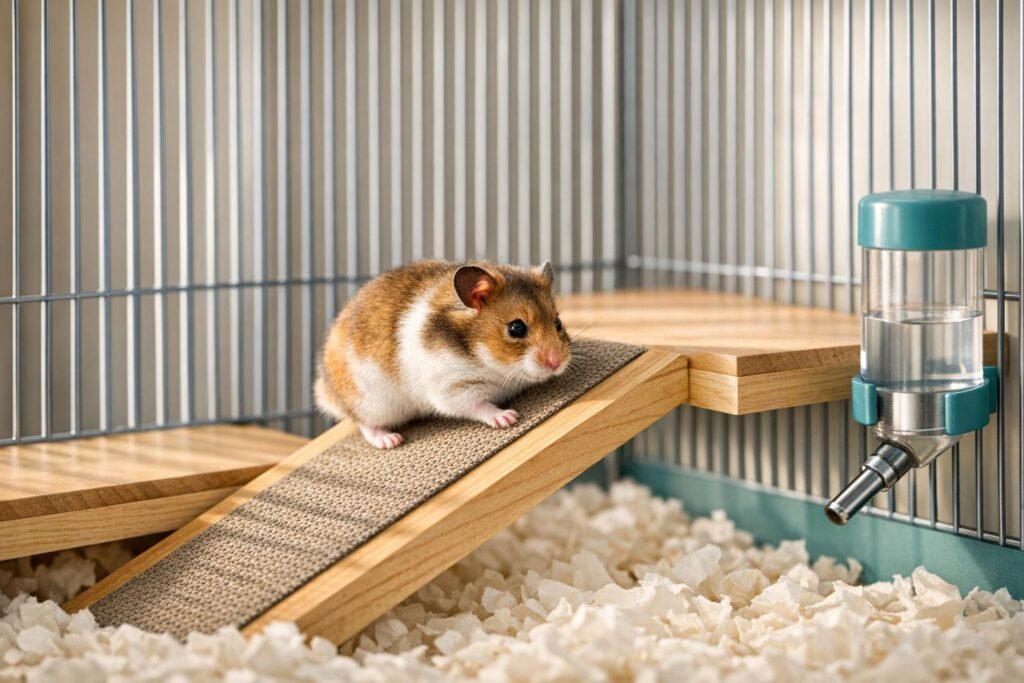
Limited climbing space harms small pets’ physical and mental health; proper cage size, bar spacing and solid surfaces reduce injuries.

Ten common human foods that can sicken or kill rabbits, guinea pigs, hamsters, and pet birds — symptoms and simple safety tips.
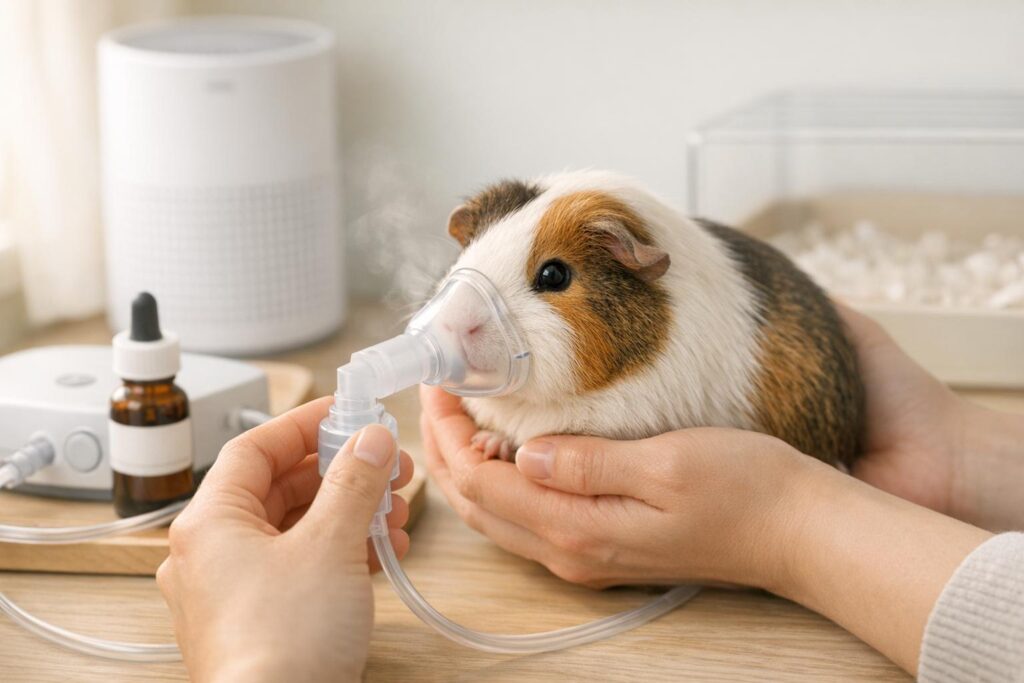
Manage chronic respiratory conditions in small pets with vet-guided meds, improved air and bedding, proper nutrition, and emergency oxygen readiness.
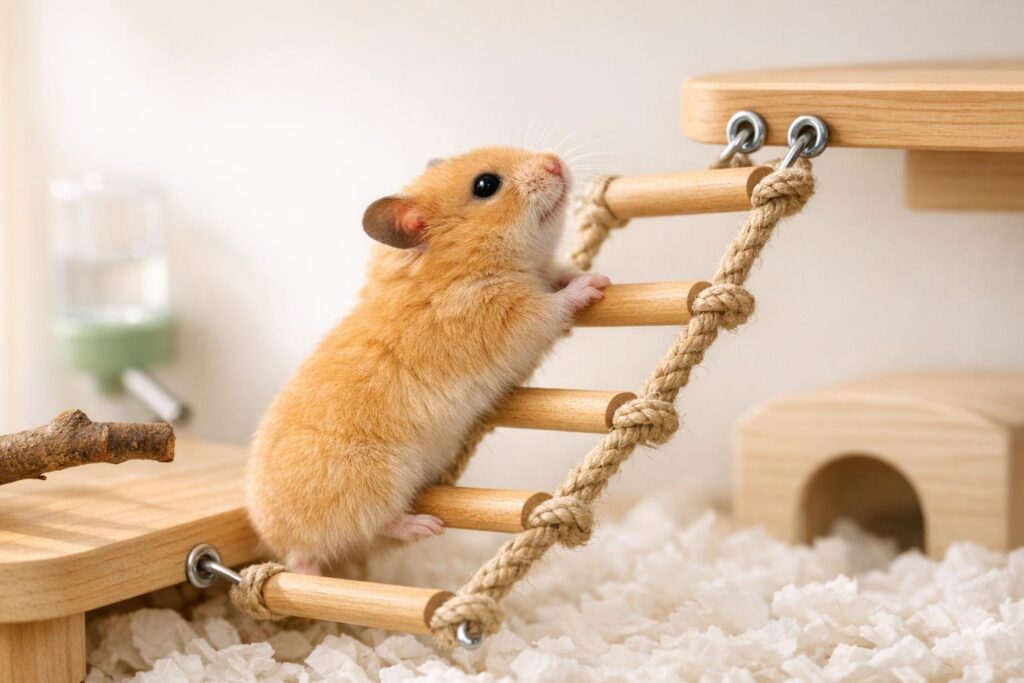
Climbing structures like ropes, ladders, and platforms boost small pets’ fitness, lower stress, and encourage natural behaviors with safe setup tips.

When you first get a guinea pig, you are considering multiple factors, such as how much it costs to feed

For animal lovers, you should have different types of pets in your midst. However, it might concern you if you