
Diabetic ketoacidosis (DKA) is a serious and life-threatening condition that affects small diabetic dogs. It happens when a lack of insulin leads to high blood sugar and the buildup of acidic ketones in the bloodstream. Early symptoms like increased thirst, urination, and appetite loss can quickly escalate to severe signs such as vomiting, rapid breathing, and collapse. Without immediate veterinary care, DKA can be fatal.
- Main Causes: Missed insulin doses, undiagnosed diabetes, or other illnesses like pancreatitis or infections.
- Symptoms to Watch For: Vomiting, fruity breath odor, lethargy, and dehydration.
- Treatment: Emergency care includes IV fluids, insulin therapy, and constant monitoring.
- Prevention: Consistent insulin doses, regular glucose monitoring, and prompt treatment of other health issues.
Small dogs are especially at risk due to their size and quicker metabolic changes. If you suspect DKA, act fast and get your dog to a vet immediately.
Diabetic Ketoacidosis in Dogs & Cats: Emergency Recognition, Treatment, and Survival Guide
What Is Diabetic Ketoacidosis (DKA)?
How Diabetic Ketoacidosis Affects Small Dogs’ Body Systems
Diabetic ketoacidosis (DKA) is a serious and potentially life-threatening condition marked by high blood sugar, the presence of ketones in the blood, and metabolic acidosis.
"Insulin acts as a gatekeeper between the body’s cells and the bloodstream. The cells need glucose for energy and to function appropriately, and insulin ensures that the amount remains under control." – Katie Grzyb, DVM
When insulin is absent or insufficient, the body’s cells can’t access glucose for energy, even when blood sugar levels are high. In response, the body releases glucagon and stress hormones, which prompt the breakdown of fat stores for energy. This process produces ketone bodies – beta-hydroxybutyrate, acetoacetate, and acetone. While these ketones can serve as a temporary energy source, they are acidic. As they accumulate, they lower the blood’s pH, leading to the dangerous acidosis that characterizes DKA. Let’s explore what triggers DKA in small dogs and how it impacts their bodies.
What Causes DKA in Small Dogs?
DKA occurs when stress hormones like cortisol, adrenaline, and glucagon interfere with insulin’s ability to regulate blood sugar. Common triggers include undiagnosed diabetes, missed insulin doses, or concurrent illnesses. Research indicates that about 70% of dogs diagnosed with DKA have at least one other medical condition. Among these, pancreatitis is the most common, affecting around 40% of cases, followed by urinary tract infections (20%) and Cushing’s disease (15%). Other contributing factors include pneumonia (6%), kidney infections, heart disease, cancer, surgery, and physical injuries.
Small dogs are particularly vulnerable during both the onset and treatment of DKA. Their lower body mass makes them more prone to rapid metabolic changes. During treatment, they face a higher risk of fluid overload, requiring precise adjustments to fluid therapy. Additionally, certain breeds, such as Miniature Schnauzers, are more susceptible to pancreatitis, further increasing their risk.
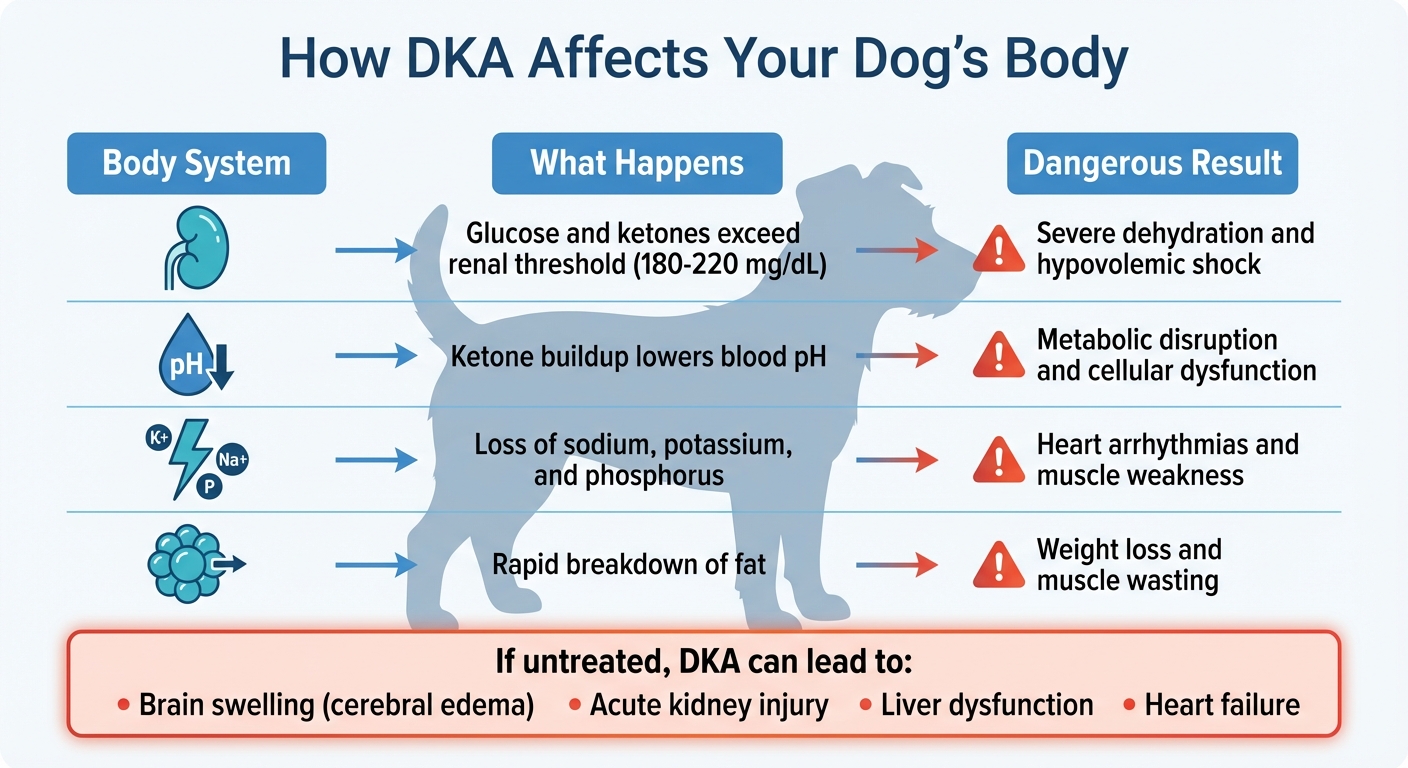
How DKA Affects Your Dog’s Body
As blood sugar and ketone levels rise, they can surpass your dog’s renal threshold – typically between 180 and 220 mg/dL. When this happens, glucose and ketones spill into the urine, causing osmotic diuresis. This process draws large amounts of water and essential electrolytes (like sodium, potassium, phosphorus, and magnesium) out of the body, leading to dehydration and hypovolemic shock. The resulting electrolyte imbalances can cause heart arrhythmias and muscle weakness. Meanwhile, the acidic blood disrupts normal cellular function, and you may notice your dog breathing rapidly and deeply – a pattern called Kussmaul respiration – as their body tries to correct the acidosis.
| Body System | What Happens | Dangerous Result |
|---|---|---|
| Kidneys | Glucose and ketones exceed renal threshold | Severe dehydration and hypovolemic shock |
| Blood Chemistry | Ketone buildup lowers blood pH | Metabolic disruption and cellular dysfunction |
| Electrolytes | Loss of sodium, potassium, and phosphorus | Heart arrhythmias and muscle weakness |
| Fat Stores | Rapid breakdown of fat | Weight loss and muscle wasting |
If untreated, DKA can lead to severe complications like brain swelling (cerebral edema), acute kidney injury, liver dysfunction, and heart failure. Veterinary care is essential, as the condition can escalate from mild symptoms to a life-threatening emergency in just hours. These disruptions highlight the urgency of treatment, particularly for small dogs.
Symptoms of DKA in Small Dogs
Catching diabetic ketoacidosis (DKA) early can save your dog’s life. Dr. Ellen Behrend, VMD, PhD, DACVIM, highlights this point: "Vomiting is typically not something that occurs in uncomplicated diabetes cases… If diabetes goes untreated, the dog can go into diabetic ketoacidosis (DKA), where you see vomiting, lethargy and a poor appetite". Below, we’ll explore both the early warning signs and the more severe symptoms that demand urgent attention.
Early Warning Signs
In the early stages, DKA symptoms can be easy to miss, especially in dogs already managing diabetes. Look for changes like an increase in thirst and urination that go beyond your pet’s usual habits. You might notice mild lethargy, a drop in appetite, or even subtle changes to their coat. Unexpected weight loss is another red flag. These signs might seem minor at first, but they can quickly escalate if left unchecked.
Severe Symptoms Requiring Immediate Care
When DKA progresses, the symptoms become much more alarming and demand immediate action. Persistent vomiting is a clear sign that veterinary care is needed right away. Rapid, deep breathing – known as Kussmaul breathing – indicates severe acidosis. A sweet, fruity odor on your dog’s breath points to dangerously high ketone levels. Severe dehydration may show up as dry or tacky gums, sunken eyes, and skin that doesn’t bounce back when pinched. In the most advanced stages, your dog could experience extreme weakness, confusion, or even collapse.
According to Garden State Veterinary Specialists, "Diabetic ketoacidosis in dogs can turn from concerning to critical in just hours, making it one of the most dangerous complications of canine diabetes". Immediate veterinary intervention is crucial – statistics show that around 70% of dogs with DKA survive when treated promptly and aggressively.
What to Do If You Suspect DKA
Diabetic ketoacidosis (DKA) is a serious condition that demands immediate attention. According to VCA Animal Hospitals, "If left untreated, diabetic ketoacidosis is fatal". If you notice severe symptoms in your dog, your first and most critical step is to get them to a veterinarian as quickly and safely as possible. Here’s how to handle the situation.
When to Contact Your Veterinarian
Act quickly when you notice alarming symptoms. Signs like persistent vomiting, rapid or labored breathing, extreme weakness, collapse, or a fruity-smelling breath require emergency care right away. Garden State Veterinary Specialists cautions that "Waiting too long can allow DKA to worsen, potentially leading to coma or even death". Even if the symptoms seem mild – like a slight increase in thirst or a small drop in appetite – it’s still important to contact your veterinarian promptly. These minor signs can escalate quickly.
Before heading out, check your dog’s gum color, breathing, and overall responsiveness. Then, call the veterinary clinic to let them know you’re on your way so they can prepare for your arrival.
How to Transport Your Dog Safely
Keeping your dog calm and comfortable during transport is essential. Place them on a soft blanket or their usual pet bed to minimize stress. If your dog is alert, you can offer small sips of water to help with hydration, but avoid giving too much to prevent vomiting.
Before leaving, gather important items like your dog’s insulin, recent blood glucose readings, a list of medications, and notes on when symptoms started, the last insulin dose, and recent feeding times. If you have a home testing kit for ketones, you can check levels quickly, but don’t let this delay your trip to the vet.
The priority is getting professional care as soon as possible. Once at the clinic, your veterinarian will focus on stabilizing your dog with fluids, insulin, and close monitoring.
sbb-itb-e212914
Veterinary Treatment for DKA
When you arrive at the veterinary clinic, the immediate priority is to reverse the effects of diabetic ketoacidosis (DKA) and stabilize your dog’s condition. Treatment typically involves addressing dehydration, carefully reducing blood sugar levels, and restoring electrolyte balance. On average, dogs with DKA stay in the hospital for about six days, though this can vary depending on how severe the condition is and whether other illnesses are present.
Fluid Replacement Therapy
The first and most critical step in treating DKA is intravenous (IV) fluid therapy. Excessive urination caused by DKA leaves dogs severely dehydrated, and rehydration is essential before other treatments can take effect. Veterinarians usually begin with small fluid boluses – around 10 to 20 mL per kilogram of body weight – to restore blood pressure and improve circulation. These fluids not only rehydrate but also help dilute the high levels of glucose in the bloodstream. For smaller dogs, fluid rates are carefully adjusted to avoid overloading the heart and lungs.
Insulin Administration
After rehydration is underway, the next step is insulin therapy. Short-acting insulin is administered to gradually lower blood sugar and ketone levels. The process is slow and controlled, with blood sugar typically reduced by 50 to 75 mg/dL per hour to prevent complications from sudden drops. Many veterinary clinics use a constant-rate infusion (CRI) system for insulin, which allows for precise adjustments based on hourly blood sugar readings. Starting insulin therapy within the first six hours of arrival can speed up the resolution of ketones and acidemia.
Continuous Monitoring and Support
DKA treatment requires constant monitoring and intensive care. Veterinary staff check blood glucose levels every 1–2 hours and assess electrolytes every 4–6 hours. This close observation is crucial because fluid and insulin therapies can cause shifts in electrolytes, leading to potential deficiencies. Along with these checks, your dog’s heart rate, breathing, blood pressure, and overall alertness are monitored to detect any complications early. To reduce stress from repeated blood draws, many clinics use a central venous or sampling catheter.
In addition to managing DKA, veterinarians often address other underlying health issues. About 70% of dogs with DKA have concurrent conditions, such as pancreatitis (seen in roughly 40% of cases) or urinary tract infections (present in about 20% of cases).
Preventing DKA in Small Dogs
Managing your dog’s diabetes daily is crucial in preventing diabetic ketoacidosis (DKA). With consistent care and attention to their health, you can lower the chances of this potentially life-threatening condition.
Daily Diabetes Management
The cornerstone of DKA prevention is consistent insulin administration. Make sure to give your dog insulin at the same times every day, strictly following your veterinarian’s instructions. Store the insulin as directed – usually at a specific temperature – and always check the expiration date. Some types of insulin need to be rolled gently instead of shaken, so follow the handling guidelines provided with your dog’s prescription.
A steady diet is also key. Feed your dog consistent portions at regular intervals to keep blood sugar levels stable. Under your vet’s guidance, you might include high-fiber foods like brown rice or quinoa to slow glucose absorption. Avoid sugary treats, high-carb foods like bread and pasta, and fatty items that can lead to pancreatitis – a condition linked to about 40% of DKA cases.
"Consistent insulin administration is the key to preventing diabetic ketoacidosis. Give insulin at the same times each day and follow your veterinarian’s dosing instructions precisely." – GSVS
Exercise can affect your dog’s insulin needs, so consult your vet before increasing activity levels. Spaying your dog can also help manage hormonal fluctuations that may contribute to insulin resistance. Additionally, keep a small amount of corn syrup or honey on hand. If your dog shows signs of low blood sugar – like tremors or weakness – applying a bit to their gums can provide temporary relief.
This daily routine builds a strong foundation for keeping your dog healthy and preventing complications.
Monitoring Your Dog’s Health
Keeping a close eye on your dog’s health is just as important as daily management. Maintain a log of insulin doses, appetite, and water intake to detect any changes early. If your dog appears lethargic or loses their appetite, especially when blood glucose levels exceed 240 mg/dL, use urine test strips to check for ketones. Many pet owners find tools like point-of-care glucometers or continuous glucose monitors, such as the Abbott Freestyle Libre, helpful for tracking glucose levels without frequent needle pricks.
"The key to preventing a recurrence of diabetic ketoacidosis is to be very aware of your dog’s glucose levels throughout the day, as well as the pattern of his blood glucose levels over the span of several days to several weeks." – Tammy Hunter, DVM
Be alert for signs of trouble, including excessive thirst, frequent urination, or a sweet, fruity smell on your dog’s breath – these can signal rising ketone levels. Regular lab tests, like urinalysis and urine cultures every six months, can catch hidden infections that might lead to DKA. Since around 70% of dogs with DKA also have other illnesses, addressing even minor health issues quickly is critical to avoiding a metabolic crisis.
Conclusion
Diabetic ketoacidosis (DKA) is a serious condition that requires immediate action. Key warning signs to watch for include excessive thirst, vomiting, rapid breathing, or a fruity odor on your dog’s breath. Recognizing these symptoms early can make all the difference, as timely veterinary care often leads to recovery and a return to normal life.
Treatment typically involves intensive fluid therapy, insulin administration, and close monitoring of electrolytes. This comprehensive approach halts ketone production and corrects the dangerous acid buildup in your dog’s body. Veterinary teams work tirelessly to stabilize your pet and address any underlying health problems contributing to the crisis.
Prevention is the best defense against DKA. Stick to a consistent insulin routine, check blood glucose levels regularly, and pay attention to any changes in your dog’s behavior or appetite. Since approximately 70% of DKA cases are linked to other health issues like urinary tract infections or pancreatitis, addressing even minor concerns promptly is essential. Always keep your veterinarian’s emergency contact information on hand and act quickly if you notice anything unusual.
FAQs
What are the signs of diabetic ketoacidosis in small dogs?
Diabetic ketoacidosis (DKA) is a serious medical condition that demands immediate attention. Be alert for symptoms like excessive thirst and urination, vomiting, lethargy or weakness, rapid or deep breathing, a sweet, fruity smell on the breath, loss of appetite, weight loss, and dehydration. If you notice any combination of these signs, reach out to your veterinarian without delay – DKA can escalate quickly and become life-threatening.
Small dogs with diabetes are particularly at risk, making regular health checkups and blood sugar monitoring essential. Acting early can greatly improve their chances of recovery.
What should I do right away if I think my dog has diabetic ketoacidosis (DKA)?
If you think your dog might have diabetic ketoacidosis (DKA), don’t wait – reach out to an emergency veterinary clinic right away or head to the nearest vet as soon as possible. DKA is a severe condition that can quickly become life-threatening, so immediate care is crucial.
Watch for signs such as vomiting, extreme tiredness, fast breathing, or a fruity smell on their breath. Acting quickly could be the key to improving your dog’s chances of recovery and safeguarding their health.
How can I help prevent diabetic ketoacidosis in my small diabetic dog?
Diabetic ketoacidosis (DKA) is a serious condition that can escalate quickly in diabetic dogs if their insulin levels drop too low. To help minimize the risk, sticking to a consistent care routine is key.
Administer your dog’s insulin injections at the same time every day, and never skip a dose. Regularly check their blood sugar levels using a home glucometer or through veterinary appointments. If you notice any sudden changes in their readings, reach out to your veterinarian right away. Make sure your dog always has access to fresh water and eats on a regular schedule – if they go more than 12 hours without eating, contact your vet immediately.
Routine veterinary visits are essential for monitoring your dog’s health, adjusting insulin doses, and identifying any other potential issues. Maintaining a stable daily routine, including moderate exercise and minimizing stress, can also help regulate their blood sugar and reduce the chances of DKA.