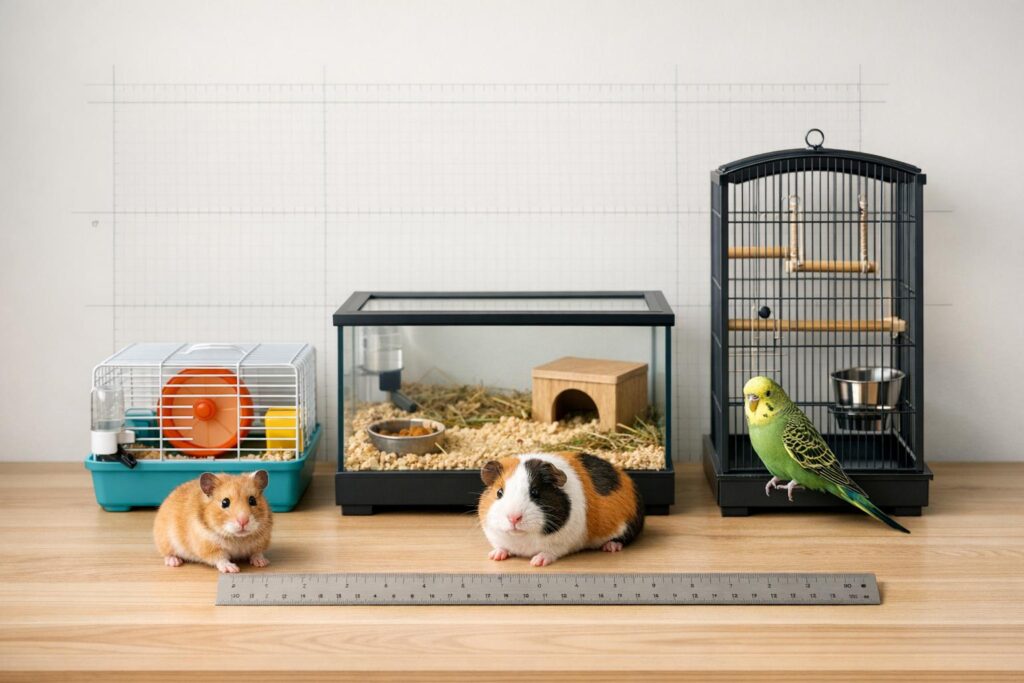
Want to keep your small pets safe? Here’s a quick guide to pet-proofing your home. Small animals like rabbits, guinea pigs, birds, or even tiny dogs and cats are naturally curious, which can lead them into danger. From exposed wires to toxic plants, everyday items in your home could pose serious risks. Here’s what you need to do:
- Secure furniture: Anchor heavy items like bookshelves and TVs to prevent tipping.
- Remove toxic plants: Replace harmful plants like lilies or philodendrons with pet-safe options like spider plants or Boston ferns.
- Store chemicals safely: Lock away cleaning products, pesticides, and medications.
- Eliminate choking hazards: Keep small items like coins, batteries, and sewing supplies out of reach.
- Create safe zones: Use pet gates, set up cozy spaces, and ensure outdoor areas are fenced and free of hazards.
DIY Puppy Proofing: 7 Quick Tips to Pet Proof Your Home
Securing Furniture and Household Items
Unsecured heavy furniture can be a real hazard, especially if you have pets that love to climb or explore. Here’s how to keep your furniture stable and your home safe.
Stabilizing Heavy Furniture
Large pieces like bookshelves, dressers, and freestanding flat-screen TVs can easily tip over if pets push against them or climb on them. To prevent accidents, use anti-tip anchoring systems. Look for kits with steel cables and metal hardware – they’re built to last and offer reliable protection.
When installing an anti-tip kit, always secure the anchors to solid wood parts of the furniture, such as the top, sides, shelves, or drawer dividers. Avoid attaching them to thin back panels or particle board, as these won’t hold up well. For the wall side, use a stud finder to locate wall studs, which are typically spaced 16 inches apart. Anchoring screws directly into these studs ensures a strong hold.
For a secure fit, drill pilot holes using a bit that matches the screw’s core diameter. Use coarse-thread screws, and for ½-inch drywall, go with screws at least 1⅝ inches long to ensure they grip at least 1 inch into the stud.
If you like to rearrange your furniture often, consider systems with detachable pins, like the Hangman TK-400. These allow you to move furniture temporarily without sacrificing safety. Avoid using generic L brackets, plastic straps, or zip ties – they tend to wear out quickly and require constant upkeep.
Removing Toxic Items and Potential Hazards
Small pets are naturally curious, often exploring the world with their mouths. While this behavior is endearing, it can also be dangerous if harmful items are within reach. Taking steps to identify and remove potential hazards is essential for keeping your furry friends safe.
Identifying and Replacing Harmful Plants
Many common houseplants can pose serious risks to small animals. For instance, lilies are especially harmful to cats – even a tiny amount of pollen can lead to kidney failure. Sago palms are another threat, containing toxins that can damage the liver and nervous system in both dogs and cats. Similarly, azaleas and rhododendrons can cause heart issues or even seizures.
Other popular indoor plants like philodendrons and pothos contain calcium oxalate crystals, which can irritate the mouth and throat, causing drooling and difficulty swallowing. Dieffenbachia, or dumb cane, can lead to severe oral discomfort. To create a safer environment, swap out these toxic plants for pet-friendly options such as spider plants, Boston ferns, parlor palms, ponytail palms, or African violets.
Before introducing new plants into your home, consult the ASPCA‘s toxic plant database to ensure they’re safe for pets. Remember, even non-toxic plants can cause stomach upset if eaten in large amounts, so it’s a good idea to discourage your pets from chewing on greenery altogether.
Once plants are addressed, turn your attention to chemical hazards that could harm your pets.
Securing Harmful Chemicals
Household chemicals can be extremely dangerous to pets if ingested or even inhaled. Keep cleaning products, pesticides, fertilizers, automotive fluids, and medications in secure locations out of reach. Locked cabinets or high shelves are excellent options for storing these items safely.
Consider adding child safety locks to cabinets, particularly those under kitchen and bathroom sinks where cleaning supplies are often kept. Always store these products in their original containers with labels intact, as the labels provide vital information in case of an emergency. Never transfer chemicals into food or drink containers, as this could lead to confusion and remove important safety details.
In the garage, secure hazardous substances like antifreeze, gasoline, pest control products, and weed killers in locked storage. Antifreeze is particularly dangerous due to its sweet taste, which can attract pets; even a small amount can be deadly. If using rodenticides or insecticides, place them in areas completely inaccessible to your pets and avoid applying them near pet food, water bowls, or sleeping areas.
Also, don’t forget the bathroom – keep toilet lids closed to prevent pets from drinking water treated with cleaning chemicals.
Eliminating Small Choking Hazards
Small objects around the house can be serious choking hazards or cause intestinal blockages if swallowed. Coins, for example, are not only a choking risk but can also be toxic – modern pennies (minted after 1982) contain zinc, which is harmful when ingested.
Batteries are another major concern. If bitten, they can leak corrosive chemicals and cause burns, while button batteries, often found in watches and small electronics, are particularly dangerous due to their size and ease of swallowing. These can lead to severe internal injuries.
To prevent accidents, store small items like coins, batteries, toy parts, hair ties, and paper clips in secure locations. Sewing supplies, including needles, pins, buttons, and thread, should also be kept in containers that pets can’t access. Thread and yarn are especially hazardous, as they can cause severe blockages if ingested.
sbb-itb-e212914
Creating Safe Spaces for Your Pets
Setting up a secure and comfortable environment for your pets is essential. These safe spaces act as their personal retreats, keeping them relaxed and away from potential hazards.
Using Pet Gates and Barriers
Pet gates are a great way to block off areas that might pose risks, like kitchens or laundry rooms, while still allowing your pets the freedom to explore safely.
When choosing a gate, make sure it’s tall enough to prevent pets from jumping over – 30 inches or more is usually sufficient for small dogs and cats. The bars should be spaced no more than 2.5 inches apart to stop tiny pets from squeezing through or getting stuck. If you want a temporary solution, pressure-mounted gates are ideal for doorways since they don’t require drilling. For more permanent needs, hardware-mounted gates are sturdier and better suited for high-risk areas.
If your home has stairs, stair gates are a must to avoid accidents. Install them at both the top and bottom of staircases, ensuring they open away from the stairs to reduce the risk of falls. Gates with walk-through features are especially convenient, making it easy for you to move around while still keeping your pets safe.
Pick a gate that matches your pet’s size and activity level. These barriers, when paired with other safety precautions, help create a pet-friendly home.
Setting Up a Pet Zone
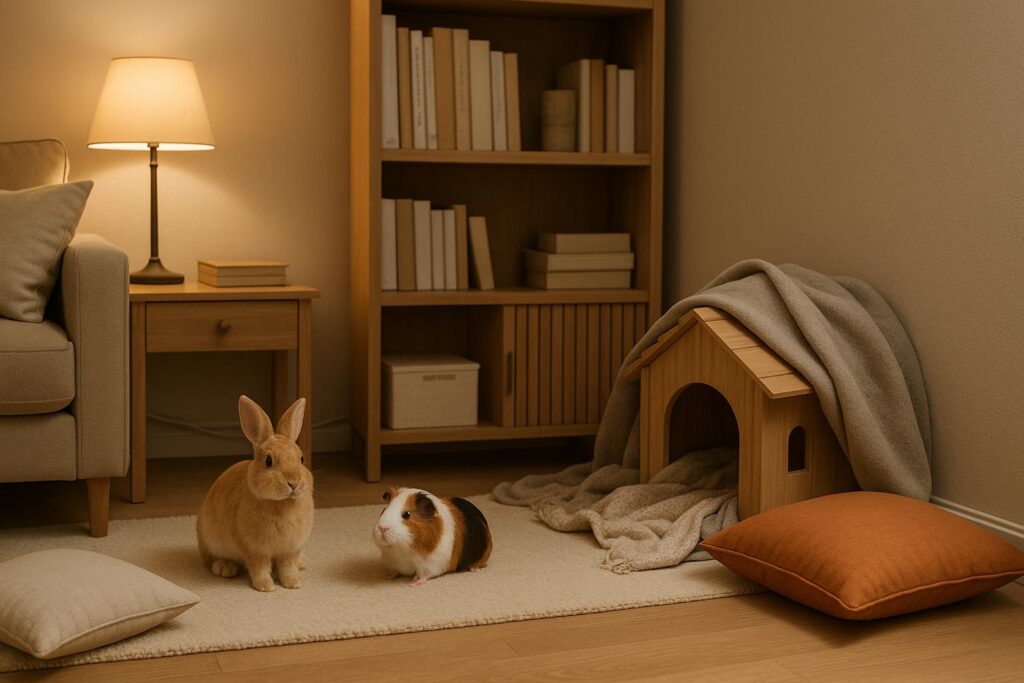
A dedicated pet zone provides your furry friend with a safe and comfortable space of their own. Stock it with the essentials: cozy bedding, fresh water, toys, and, if needed, access to food.
Choose a quiet, low-traffic area with good ventilation and natural light. Avoid spots near heating vents or air conditioning units, as these can cause uncomfortable temperature swings. Ideally, keep the temperature between 65°F and 75°F for most small pets.
For flooring, go with something easy to clean like tile or laminate. To make it cozier, add washable rugs or pet mats that are soft but still simple to maintain. Avoid carpets, as they can trap odors and bacteria if accidents happen.
Include items that suit your pet’s needs – scratching posts for cats, chew toys for dogs, or hiding spots for small animals. To keep things engaging, rotate toys regularly so the area doesn’t become boring.
Water bowls should be heavy ceramic or stainless steel to prevent tipping. Place them away from bedding to avoid damp conditions that could lead to bacteria growth. For pets prone to playing in water, consider no-spill bowls or elevated feeders to keep the area dry and clean.
Pet-Safe Outdoor Areas
Your pet’s safety shouldn’t stop at the front door – outdoor spaces need attention, too. Make sure your yard is securely fenced with a height of at least 6 feet and no gaps larger than 4 inches.
Walk around your yard to check for hazards like holes, uneven ground, or areas where pets might dig under the fence. Fill in any gaps and, if necessary, install dig-proof barriers along the fence line to prevent escapes.
Be cautious with lawn care. Many fertilizers, herbicides, and pesticides can harm pets. Opt for organic alternatives or use pet-safe ground covers like clover or specially formulated grass seed mixes in areas your pets frequent.
Watch out for toxic plants such as oleander, foxglove, or castor beans, as well as common garden plants like tulip bulbs and daffodils, which can be harmful if dug up and eaten. Replace these with native plants, which are often safer and easier to maintain.
If you have water features, make sure they have gradual slopes or pet-safe ramps to prevent accidents. Also, create shaded areas using trees or pet-safe structures to keep your pets cool, especially when temperatures rise above 80°F. Place multiple fresh water sources around the yard and check them daily to ensure they’re clean and full.
Lastly, store outdoor equipment like mulch or tools in sheds or garages. Even something as seemingly harmless as cocoa mulch can be dangerous – its compounds are toxic to both dogs and cats. Keeping these items out of reach adds another layer of safety to your pet’s outdoor environment.
Room-Specific Hazards
When thinking about home safety, it’s important to address the specific risks found in each room. Take the kitchen, for example – it may seem harmless, but it’s full of everyday items and routines that can unexpectedly put your pet’s health at risk. From toxic foods to small objects, the kitchen can be a minefield if precautions aren’t taken.
Kitchen Safety
To keep your pet safe in the kitchen, start by securing access to anything harmful. Store toxic human foods, like chocolate and grapes, in cabinets or shelves your pet can’t reach. Cleaning chemicals and medications should also be locked away to prevent accidental ingestion.
Don’t forget about the trash – use a lidded container to keep curious paws out. And if you’re cooking, avoid leaving hot or aromatic food unattended near the stove or oven. A little preparation can go a long way in keeping your furry friend out of harm’s way.
Key Takeaways for a Pet-Safe Home
Creating a safe environment for your pets isn’t a one-time task – it requires ongoing attention and effort. Beyond securing furniture and removing immediate hazards, maintaining a pet-safe home means staying proactive and adaptable.
Start by conducting a thorough inspection of your home. Look for toxic plants, loose cables, and any potential escape routes in every room. Make sure wires are secured to walls, and double-check that doors and windows are properly closed and locked to prevent accidental escapes.
Pest control is another crucial element. Plan for quarterly treatments, or even bi-monthly during warmer months, to keep your home pest-free. Pay close attention to your pet’s behavior daily, as changes could signal issues that need addressing.
Keep fragile or hazardous items out of reach. According to Val Heart from The Real, this includes fragile decorations, cleaning supplies, and anything else your pet might be tempted to explore. As your pet grows and their abilities evolve, reassess your home regularly to stay ahead of potential risks.
Electrical systems and cords should also be checked frequently. Pets, especially smaller ones, are naturally curious about cords and outlets, which can lead to injuries if left unchecked. Regular inspections can help you identify and resolve these dangers before they become a problem.
Finally, maintaining a clean and organized home is essential. A tidy space reduces hidden hazards and ensures your pet can safely explore their surroundings.
FAQs
What household items are dangerous to small pets, and how can I keep them safe?
Creating a safe home for your small pets means being mindful of everyday items that could pose risks. Choking hazards like batteries, coins, jewelry, and rubber bands should always be kept out of their reach. Similarly, toxic substances – including cleaning supplies, antifreeze, chocolate, caffeine, and certain plants – should be stored securely in cabinets or drawers equipped with childproof locks.
To avoid injuries, make sure electrical cords are hidden or covered, and block off small spaces where your pets could get trapped, such as gaps under furniture. Supervision is key when your pets are in areas with potential dangers, and opting for pet-safe products can add an extra layer of protection. With a bit of planning, you can create a safe and comfortable environment for your furry companions!
How do I identify and replace plants that could be harmful to my small pets?
To keep your small pets safe, it’s important to identify which common houseplants could be dangerous to them. Plants like lilies, philodendrons, and pothos can cause harm if your pet decides to take a bite. Take some time to compare the plants in your home with a trusted list of toxic varieties, and either remove or relocate any that might pose a threat.
Instead, you can swap out those risky plants for pet-friendly options such as spider plants, Boston ferns, or parlor palms. And don’t forget – placing plants out of reach is a smart way to prevent curious pets from snacking on them. A little planning can make your home a much safer place for your furry friends!
How can I create a safe and enjoyable outdoor space for my small pets?
To create an outdoor space where your small pets can roam safely and happily, start by installing a secure, pet-safe fence. This keeps your pets contained while also keeping potential predators out. Make sure the fencing is sturdy and free of gaps to prevent any sneaky escapes.
Add shaded areas and always have fresh water available, especially in warmer months, so your pets stay cool and hydrated. Heat can be tough on small animals, so providing relief from the sun is a must.
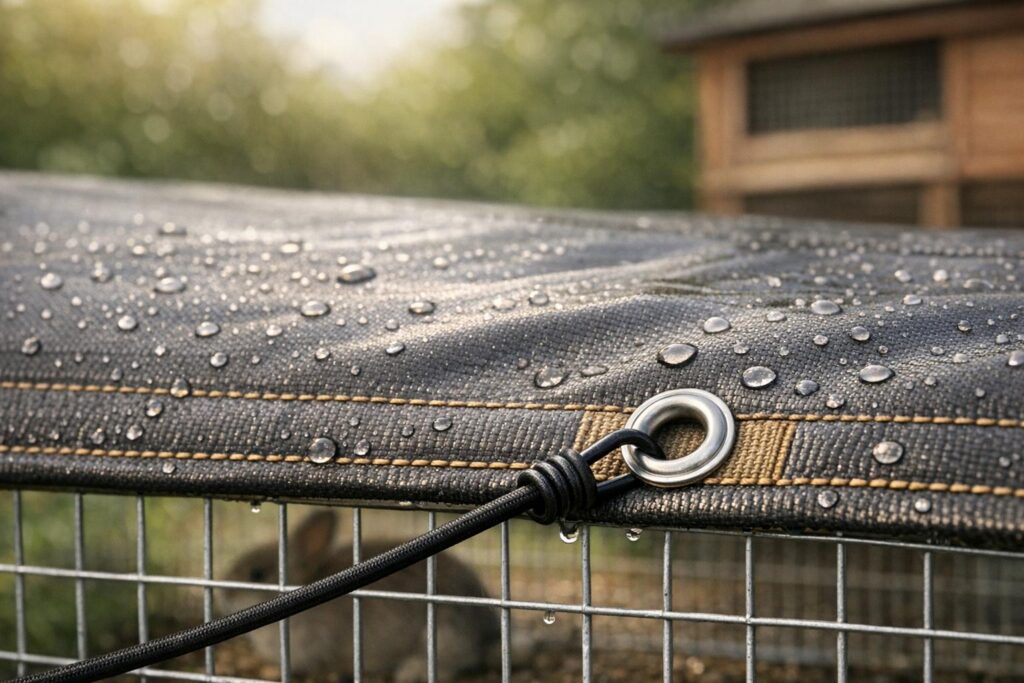
Choose non-toxic plants and pet-safe ground covers to ensure your pets don’t accidentally ingest anything harmful. You can also set up specific zones – one for playtime and another for resting – so they have a balance of activity and relaxation. For extra protection, think about adding outdoor enclosures or small shelters. These can shield your pets from sudden weather changes and give them a cozy place to retreat.
Don’t forget to routinely check the area for hazards. Look out for sharp objects, toxic plants, or any weak spots in the fencing that might pose a risk. By taking these precautions, you’ll create a safe, inviting environment where your small pets can enjoy the outdoors without worry.