
Experience is the discerning factor between professionals and beginners. While Rome was not built in a day, some research was required before undertaking the endeavor. To that end, a small amount of learning should be done before owning a guinea pig or pet.
When it comes to defining what is mandatory and what isn’t, some of the most glaring concerns will boil down to what the animal needs to eat, what kind of environment it needs to thrive in, and finally, what types of problems could arise over time that can easily be handled with a bit of preparation. You’ll walk away at the end of this extremely well-equipped to give your pig a healthy and happy life!
What Are Some Tips to Care for Guinea Pigs?
The first tip for owning a guinea pig is to understand that while they share similarities with other small rodents, they are uniquely their kind of pet and have different tendencies, traits, and specific needs that allow them to stand out.
Researching the breed you want will give you a more generalized understanding of what you like or dislike in your next pet.
1. Do Research Before Investing in One
Researching a pet can sound lofty and very open-ended, but ensuring you get precisely what you want out of your guinea pig is mandatory. For instance, if you prefer your guinea pig to have long, majestic locks of hair, then you’d probably want to go with a Peruvian guinea pig. If you want your pig to be more curly, you should aim for a Texel guinea pig.
These minor differences don’t sound like a lot, but when combined with the personality differences, dietary needs, and climate types these pigs are most fond of, it becomes very clear there is more than meets the eye with these little fellows.
Getting a guinea pig is an investment or a cash sink for those with a different perspective. You’ll need to ensure your guinea pig’s needs are met and that it never goes wrong. Temperature irregularities and food shortages can send your pig into torpor, which is incredibly dangerous.
2. What Sort of Finances Do You Have to Work With?
Traditionally speaking, guinea pigs aren’t the kind of pet you’ll necessarily be breaking the bank trying to take care of; there is a particular vacuum that you can enter when you begin pursuing the best kind of life your pig can experience, as you might expect.
Everything, from toys to food to cages, sun lamps, and even decorations, will be an expense, but quality does matter, and to that end, you’ll want to have a bit of cash after all of your personal needs are taken care of to guarantee your pig a solid quality of life.
If you’ve never owned a guinea pig before, that front-end investment (assuming you aren’t paying a vast amount for the pig itself) can cost, on the low end, roughly 200$ USD. Still, if you are going for premium food, the best and most durable toys, and large enclosures, you can easily break into the thousands of dollars bracket, so be mindful of what you are getting yourself into.
3. Know What Their Basic Needs Are
If you were to speculate that survival is the bare minimum of needs defined, then you’d want to consider your guinea pig having a safe place to live, enough room to roam and exercise, and ample amounts of food to make it from one day to the next without having to put too much effort into finding said meals.
Further, you can take the emotional needs and requirements of your new pet into account, which truthfully account for the same amount of importance as food itself. Guinea pigs, like hamsters, can enter states of torpor when their core needs aren’t met.
Torpor is a state of lethargy that can affect animals. It slows down the heart rate, making the animal relatively immobile and unresponsive in most cases or very limited at best. In these states, your pig’s temperature will plummet, and its chances of passing away will increase dramatically. Should you see any of these signs, you’ll want to take it to the vet immediately.
4. Bond With Them Often
Guinea pigs are very emotionally driven pets that don’t require immense amounts of attention, but they do require it often, as it will help them feel loved and remain happy more consistently. If they go without affection, they may be prone to getting depressed and lose their appetite as well as their will to play or even move at times.
Being considered social animals, you can attempt to mitigate this process by getting several guinea pigs and having them live together, somewhat alleviating the constant need to interact with them. However, this does not give someone an excuse to leave them to their own devices; they love humans and need interaction.
5. Make Sure You Have the Time for Your Pig
Like all pets, it is severely irresponsible and cruel to consider getting one if you hardly have time to take care of yourself. Guinea pigs require a small amount of time investment on the front end to ensure their needs are met: food, water, and the essentials. However, they also have emotional needs in the form of petting, holding, and playing.
If you find yourself too tired after work or other responsibilities to take a shower or have no energy to do anything else but hop into bed, it isn’t exactly fair to get an animal that relies on you when your plate is already so full.
Such a lifestyle can easily put your guinea pig into the aforementioned state of torpor, and with the amount of distraction and responsibility someone like that already has, it would be easy for specific symptoms of it to go amiss, leading to your guinea pig being in harm’s way.
6. Where to House Your Guinea Pig
Despite most people being of the volition that the specific room you place your guinea pig in doesn’t matter, on the contrary, it does, or more to the point, certain books come into play when having them in a different room than the one you sleep in yourself.
When we sleep or spend immense amounts of time in a certain area, we not only increase the overall humidity in that area but, more importantly, release dust mites. These two factors alone would be enough to consider the possibility of placing the pig in a different room, but sometimes you can be allergic to your pets yourself, even mildly, and this should be taken into consideration.
An allergic reaction to your pet might not be a big deal if it’s mild, but the quality of your life can begin to diminish. Simple things like how easily you manage to go to sleep, how long your sleep lasts, your inability to breathe comfortably, or general feelings of unease can all be signs that your pig sharing a room with you is hindering your rest.
For those reasons and more, you’ll ideally want it in a spare room or the living room, where it can be interacted with regularly, guaranteeing that its needs are met. More importantly, no one is forced to be exposed to it constantly. Hence, everyone, including your fluffy friend, has an opportunity to lead a good life.
7. Make Sure They Have Plenty of Exercise
In keeping with leading a good life, you’ll want to put your best foot forward when organizing an exercise regimen for your guinea pig. This doesn’t mean you need to give your pig a pilates class or teach it yoga, but more so that it has ample room to walk around and enough toys and interactive surfaces that it will be mobile and engaged enough to remain physically healthy.
In most circumstances, people think of exercise for guinea pigs, hamsters, and other small rodents as getting them a ball or even an exercise wheel to play with. However, these toys end up being incredibly dangerous for your new friend, as their physicality is not designed for these purposes.
To understand why that situation exists, we look toward your guinea pig’s spine. It is incredibly delicate and shaped to help the guinea pig navigate the world with its feet firmly planted. Any potential falls put it at risk, and nothing spells instability quite like balancing on a ball or potentially slipping off of a rotating wheel.
8. Know What Foods to Give Your Pig
A well-balanced diet is paramount to giving your guinea pig a long and healthy life. To that end, you’ll want to closely monitor what kinds of food you give them or even how much of its quality food they receive. Like the nugget of wisdom, “Too much of anything is a bad thing.” This adage rings true for pets as well.
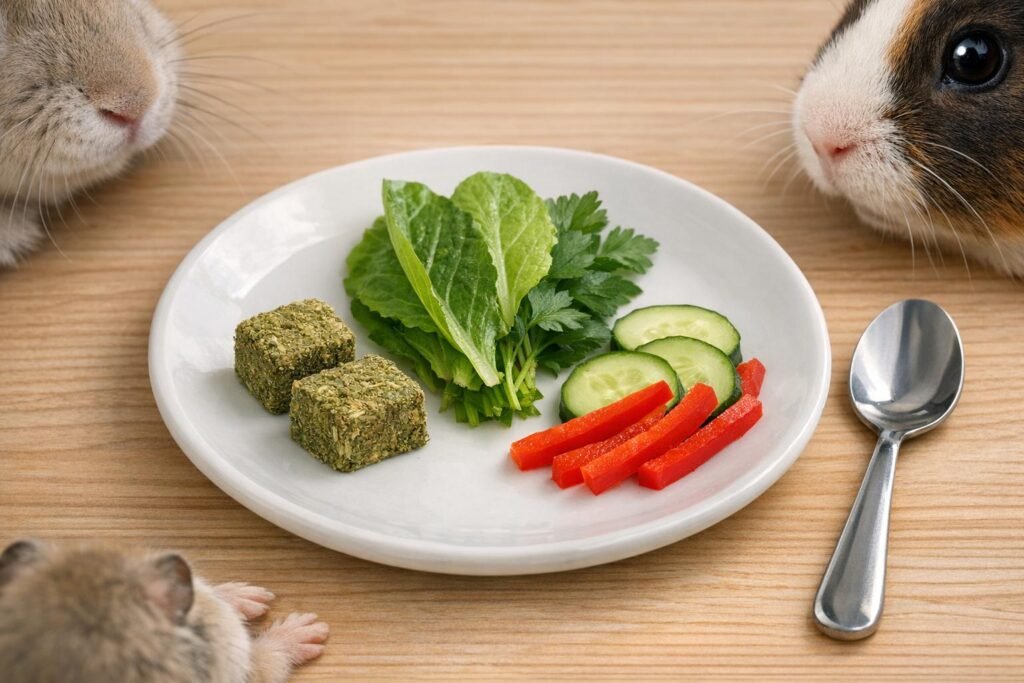
A normalized diet for guinea pigs consists largely of high-quality, well-cut hay and a balance of leafy greens to even out its nutritional needs or alternative pellet blends that achieve the same effect. Still, fresh veggies are better given the option, as they are less processed and often better for your pig’s overall health.
If you are seeking to give your guinea pig a treat, you have several options available in the form of fresh, cut fruits. Again, do so sparingly, as the high sugar content of these foods can quickly give your pet diabetes and other health issues, so be mindful of the portions you are giving them.
9. Grooming Needs
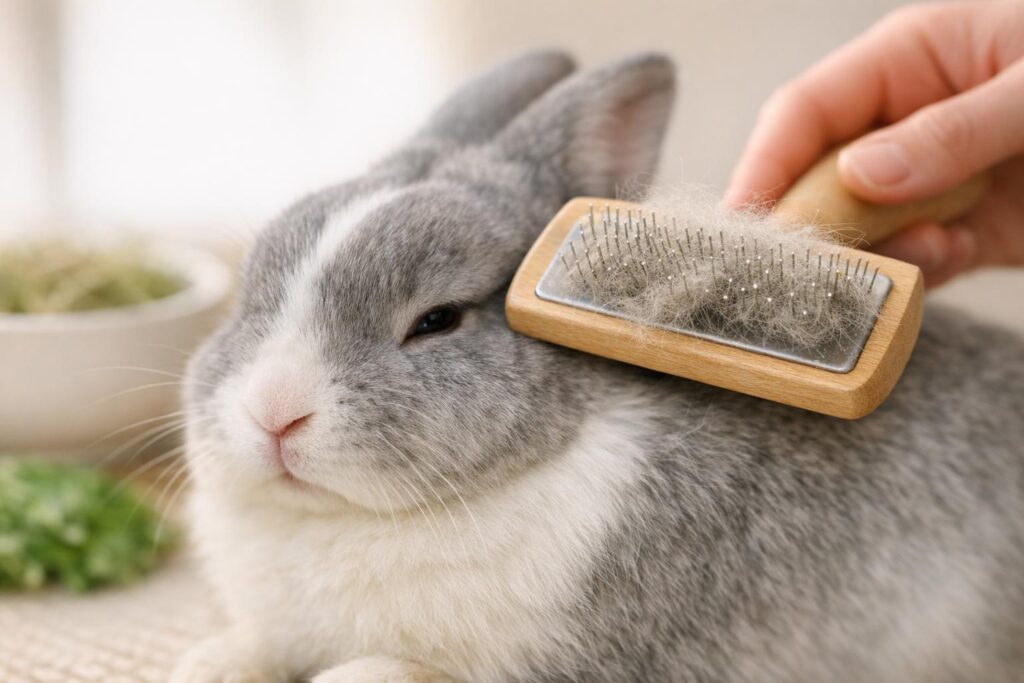
Guinea pigs, like most rodents, are usually perfect about keeping their coats clean and free of tangles and gunk, even more so when avoiding pungent smells. However, should you notice that your pig is smelling a bit off or is visibility collecting dirt and grime, you may want to set aside some time to inspect your pet for injuries or other maladies carefully.
Suppose you do notice a foul smell coming from your pig. In that case, it may be from a cut or wound that has become infected, or some waste has collected itself on your pig’s rear end, and it can’t quite get to it. Should this be the case, using a small damp cloth on the area will suffice, taking ample time to dry the area afterward.
In extreme cases, you can give your guinea pig a bath, but the regularity of this is sparse, to say the least. With these baths capping out at less than four throughout the duration of a year, it goes without saying that these occurrences should be few and far between.
Certain breeds with longer hair may need more help grooming, or alternatively, guinea pigs that have gotten some age underneath them may experience unique difficulties. To that end, certain changes and assistance may be required. In these circumstances, you may want to seek the advice of a specialist or a vet in order to make sure your guinea pigs’ needs are being met sufficiently.
10. Do a Regular Health Check on Your Guinea Pigs From Home
Your guinea pig’s overall health can usually be assessed at a glance just by looking for signs of activity, inspecting for matted hair, or possibly limping. All of these would allow you to safely gauge how well off your guinea pig is and whether or not it needs help in any way.
Certain issues may not be easily diagnosed. However, irregular bowel movements or behavioral issues like suddenly aggressive behavior might require more observation to be properly diagnosed, so set aside some time every so often to interact with your pet to notice these signs more efficiently.
11. Become Established With a Good Veterinarian
Experienced pet owners will tell you that having a good doctor in your pocket is invaluable when having pets, especially if you have several of them and an unexpected incident happens late at night. You have no one else to turn to.
While Google can be useful in these events, the delightful website does not have hands and cannot actively aid your pet should something go wrong. To that end, having a vet that you can ask questions or even physically bring your pet to is undeniably needed.
A regularly scheduled checkup program would also help diagnose problems that can creep up on your guinea pig and allow you to know immediately if your pet is potentially overweight or needs certain kinds of medication to deal with other issues.
12. Where to Put Your Guinea Pig While on Holidays
While some of the best options involve keeping your guinea pig directly where it is and trusting a friend or relative to routinely come and feed it while you are away, this option isn’t available to everyone, and you may find yourself feeling like vacations are off your radar because your pet comes first.
Finding yourself in such a circumstance doesn’t need to be all doom and gloom, and quite to the contrary, you can find plenty of pet-sitting services or guinea pig rescue locations that can potentially negotiate watching your pig for a nominal fee whilst you are away.
Doing so will grant you the peace of mind to enjoy your trip without worrying whether or not your pig is getting the care and treatment it deserves. You can even take ample time to vet each location to see what their care looks like and check for reviews on each location online to get a better sense of how such interactions have been received in your community.
How Much Hay Do You Need to Provide for Your Guinea Pig?
Moderation is key in almost all points in life. Guinea pigs are unique in that they should have seemingly unlimited access to fresh hay in their enclosures, which can sound frightening, especially with such an intricate focus on a balanced diet; pigs will not usually overeat hay and will typically maintain their diet quite well with a hands-off approach.
The specific quantities of food you give your guinea pig will only matter when it comes to foods that can cause irregular spikes in them, most notably with sugary foods like fruits, for example, as they are one of the leading causes of obesity amongst guinea pigs.
How Long Do Guinea Pigs Live?
Assuming that your guinea pig’s needs have all been met to the tee and they have no pre-existing medical issues, you can expect your guinea pig to live for anywhere between five to seven years on average, with slight variations between different breeds.
It’s worth noting that this life expectancy also considers regular vet visits, which can help diagnose issues and complications long before they become life-threatening or detrimental to your guinea pig’s health.
Are Guinea Pigs Good Pets?
Guinea pigs can be fantastic pets for people who love to play and interact with their little furry friends. They are usually very good as far as temperament goes, and they love affection, making them great for kids as well. They can also serve as a phenomenal entry point into pet ownership for first-timers.
How Big Do Guinea Pigs Get?
A guinea pig’s size is typically determined by the breed of guinea pig you get. Still, on average, a guinea pig can usually sit around 8 to 10 inches long and weigh anywhere from 1.5 to 2.6 pounds. Still, there are standout cases where a guinea pig can seem to suffer from gigantism by comparison.
Are Guinea Pigs Social?
Yes, guinea pigs are incredibly social. Most notably, they are hailed as social animals, noted for living in small communities in the wild and working well together when raised among other pigs in captivity. There is very little in-fighting outside of breeding concerns.
Final Words
In summary, making sure that your guinea pig has ample food, a safe place to sleep, and room to exercise is all it truly takes for them to lead a happy and healthy life, but scheduling regular vet visits to monitor potential health risks is important to ensure that everything blends together nicely.