
Concerning yourself with the ramifications of an untreated disease or malady on your pet can keep you awake for hours, if not days. In many cases, you can easily solve the issue, but some things cannot be cured. In this particular case, you might be wondering, “Can rabbits die from wet tail”? Let us find out below.
Unfortunately enough, wet tail can indeed kill your pet rabbit. Still, it isn’t the wet tail itself that will lead your rabbit down this path; it’s more so the litany of other diseases and issues that accompany it that could lead your rabbit to this fate.
Among rabbits, Wet Tail can have many causes and many effects after contracting it, including severe diarrhea, fly strike, and extreme loss of appetite accompanied by overall lethargy. When combined, these issues can be disastrous for your pet, but thankfully, there are treatments and preventive measures you can put in place to help stave off this threat.

What Is Wet Tail?
In different animal species “wet tail” has various meanings, but amongst rabbits, it typically alludes to urine scalding, which is caused by a severe infection, crystals that have developed in the urethra, stress, or even “sludge” for those who don’t know, is a build up of calcium crystals on the bladder, hindering your pet’s daily life and causing them pain the process.
Diagnosing wet tail isn’t particularly complex; several symptoms are very apparent at a glance. Things like the fur around the tail itself appearing matted, darkened, and very moist could be dead giveaways, as the name implies, but other symptoms might need a slightly closer inspection and are just as severe.
Severely irritated skin, deep reddening in certain areas, and a terrible odor can be emanating from the location, as far as overall behaviour, your rabbit can also become very lackluster due to the affliction, showing no energy, a sudden lack of appetite, and extreme lethargy in some cases, if you note any of these, you’ll want to get your bun to a vet as soon as possible, because time is definitely not on your side.
How Do Rabbits Acquire Wet Tail?
Rabbits can get wet tail in several ways. Still, most of them are linked directly back to either filthy living conditions or stressful environments, causing them to have very adverse reactions both physically and emotionally.
Initially, a rabbit being emotionally disturbed might be a hard pill to swallow when accompanied by the logic that it directly causes wet tail. Still, the correlation is apparent when you think about how someone might act when depressed, extreme lethargy could cause inaction. If the rabbit were to soil itself and not be concerned about moving from the spot or cleaning, the continual stagnation of the urine can easily begin to irritate and burn the skin, thus leading to “urine scalding.”
Another significant contributing factor could be your rabbit’s poor diet. Excess calcium intake can create crystals in the bladder and lead to complications, bladder sludge, and even severe infections from said diet, leading to constant leaking or open wounds near your rabbit’s private parts.
1. Urinary Problems
Urinary problems can be far and wide, as stated regarding diet, environment, or even physical damage done by a fall or someone bumping directly into it. Still, all of these issues can cause your rabbit to dribble on itself in both its waking and sleeping hours, leading to a buildup around its genitals that, left untreated, can quickly develop into wet tail.
2. Infections
Infections, open wounds, sores, and gut disorders can cause your rabbit to develop festering infections both internally and around its hind quarters. The scars themselves can secrete pus and cake the area, forming a nasty buildup that can trigger wet tail if left untreated.
Given enough time, flies will also be attracted to the area, more notably if the site becomes necrotic, leading to them becoming interested in laying flies on the rabbit’s afflicted area, leading to “fly strike”, which essentially boils down into a maggot infested wound, which is just as agonizing as it is disgusting, so pay very close attention to any inflamed areas you see.
3. Gastrointestinal Issues
If your rabbit develops gastrointestinal issues, whether from a dietary change, direct exposure to a new bacterium, or a poor response to another environmental change, they may begin having severe diarrhea, difficulty digesting their food, or, worse, problems controlling their bowel movements.
One example of this would be a stint of diarrhea that isn’t caught very quickly, not only could the rabbit suffer from the possible infection or irritation from not being able to clean itself soon after going to the bathroom, but the constant loss of water could lead to them being dehydrated, robbing them of precious energy, and taking the option of cleaning themselves out of the equation entirely.
How to Tell if Your Rabbit Has “Wet Tail”?
The first clear indicator that your rabbit has contracted wet tail would be, no pun intended, if their tale, or rears appear to be damp, and there is a very distinct, foul odor being emitted from the area, the scent itself can be that of feces and urine that has become matted in the fur, but left unattended this scent can evolve into a more pungent, rotten meat smell, which spells disaster for your bun and can mean things have escalated in a far more dangerous direction.
A soiled cage, overall lethargy towards you, the inability to move, no appetite, and flies swarming can all be visual indicators that your rabbit either has, or is in the early stages of contracting wet tail. Hence, you must not only do a quick sweep of your rabbit’s surroundings, but also conduct a wellness check to ensure it isn’t suffering.
Assuming you do observe any of the clear signs stated above, do not waste time, don’t trying to “fix” the situation yourself, because truthfully, even a trained vet can have a difficult time saving a rabbit that has wet tail, partially because they must find out the cause of it, and partially because they need time to not only develop a treatment plan, but put it into place.
Overcoming the diagnosis and treatment portions of this can take time, time that your rabbit might not have if it is dehydrated enough, or if an infection has been rampaging within them for long enough.
Can Rabbits Die From Wet Tail?
Unfortunately enough, yes, rabbits can indeed die from wet tail, or the symptoms that are directly associated with it, while not entirely necessary to go over every potential cause that could lead to a rabbit’s demise, the more obvious ones would be dehydration, starvation (due to them not eating), succumbing to fever, be it from infection or irritation, or a fly strike affliction that just caused too much damage before it was caught.
What Other Risks Are Associated With Wet Tail?
Wet tail doesn’t necessarily have “risks” because these are all more cause-and-effect situations, more so than things that can be easily taken care of, despite you knowing the rabbit already has Wet Tail, so below we’ll briefly touch on what makes Wet Tail so dangerous in the first place.
1. Dehydration and Shock
In much the same way that a human being can go through some pretty horrific health problems when faced with something like dehydration, animals, and more specifically rabbits, can have some theatrical side effects when dehydration sets in.
A lack of water in the body can cause your rabbit’s entire digestive tract to slow down or stop altogether. This disruption can cause things like organ failure, seizures, the same lethargy that can be noted visually, and obviously, death.
When we mention “shock” here, it isn’t referring to electrical shock; rather, the rabbit’s nervous system is going into shock, either due to immense pain from other vital organs shutting down, or from the constant stream of pain from the infection racking them.
This “shock” can cause a rabbit to lie on its side with labored breathing, or to convulse and spasm. Either way, these observations can be heartbreaking, heartbreaking, and for this reason, it’s best to get your bun the help it needs before anything like this has a chance to pan out.
2. Skin Irritation
Constant exposure to urine, caked on feces, or wounds that haven’t been cleaned and appropriately treated can lead to skin irritation, and these mild hindrances can quickly devolve into something much more dangerous and painful, a small scratch leading into a large wound, said wound becoming necrotic, and leading directly into our next segment.
If you notice a skin irritation anywhere on your rabbit, your best bet is to clean the area, try to find the cause (either a nasty scratch, rubbing against the cage, exposure to a foreign chemical, even a new air freshener for example), or the more likely cause, urine scalding, assuming the afflicted area is the rabbits rear end.
3. Fly Strike
When the area has become severely damaged and a wound has gone necrotic, the decaying flesh around it will inevitably attract flies, which will not only feed on the site itself but also lay their eggs there, providing an easy meal for the larvae and securing the next generation.
It’s tough to miss this stage of wet tail, as the rabbit’s lack of movement or the smell in the area should be pronounced. If it gets to this point, don’t try to treat it yourself; seek professional help from a vet.
Can You Prevent Wet Tail in Rabbits From Occurring?
Yes, you can take specific preventive measures to help prevent Wet Tail. Still, your best bet is to set the stage for wet tail not being an option, as opposed to treating it when you can note the early symptoms, environmental changes, dietary imbalances, and stressful lifestyles are the most significant reasons a rabbit will get Wet Tail in the first place.
1. Changing Their Hutch
Taking care of your rabbit’s home is paramount to keeping them happy, and more importantly, healthy. A hutch that is falling apart, in disrepair, or has bugs and other creatures gaining easy access to it can cause any number of different issues to crop up in your rabbit’s well-being.
A good hypothetical of this scenario would be a hutch that leaks, while your rabbit might not be getting rained on, as the leak is isolated to one corner, the entire flooring of the hutch is susceptible to getting soaked over time, should this happen, the rabbit will have no choice but to sit on the damp flooring, regardless of wear it is, which can lead to an infection or irritation in the long run.
2. Provide Wet Tail Drops
If irritation has already become apparent, wet tail drops are available for application to the area. The issue here is that while there are products online that say they can “treat” damp tail, only a licensed vet can provide you with real “Wet Tail” medication, so be careful for both your own and your pet’s sake.
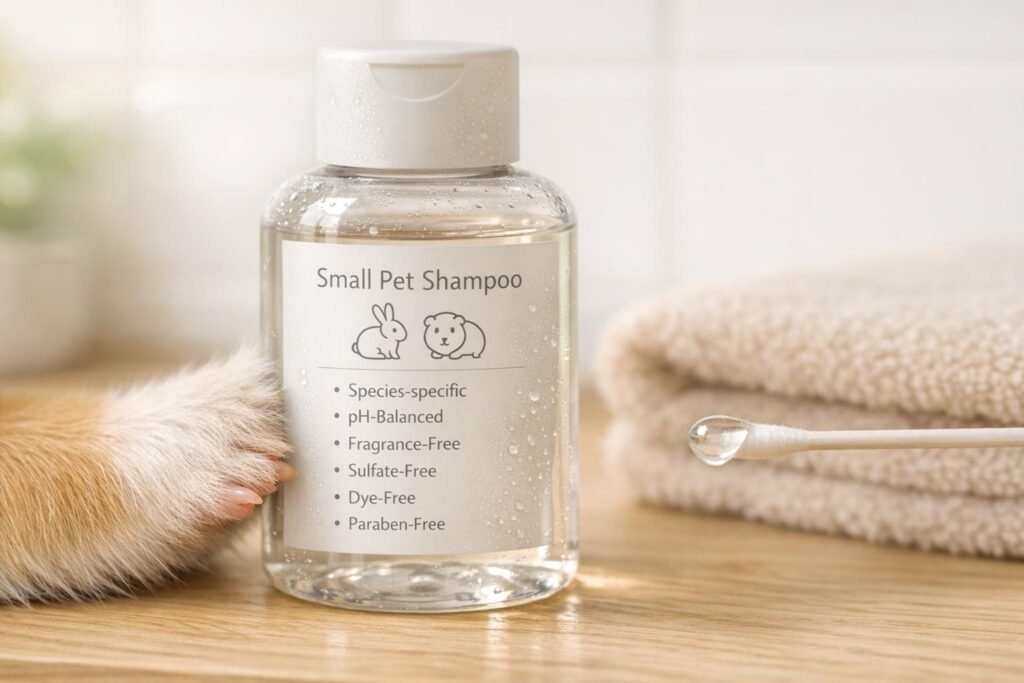
3. Give Them a Rabbit Butt Bath
As a rabbit owner, you’ve undoubtedly come to understand that rabbits are very gentle creatures, and this sensitivity is definitely one of their greatest attributes as pets. It can also mean we mistakenly “Man-handle them” them, so you can give them a butt bath, so to speak.
You’ll want to firstly be very careful how you massage any product into their hind quarters, but more importantly, pay attention to the kinds of cleaning agents, soaps, or any other “treatments” you do to the area, as this can irritate the area more, so seek professional guidance before doing anything like this.
4. Use Anti-Inflammatory Medicine
The world of medicine is a miraculous one, and there are definitely anti-inflammatory medications you can acquire over the counter. Still, it’s a brilliant idea to double-check with your local vet to ensure there are no risks to your pet before giving this.
Is Wet Tail Contagious to Other Rabbits or Animals?
Yes, but not because the “Wet Tail” portion of the affliction spreads, but more so the underlying cause of it is either highly contagious on a bacterial, or parasitic level, or the conditions that caused the wet tail (Think stressful environments, and the same agitation being replicated on yet another bun), or the excrement from the initial rabbit causes another one to become infected with the same disease.
The absolute best thing you can do if your rabbit has a wet tail, or even if you suspect your rabbit has it, would be to isolate the animal not only for its own safety, but for that of any other rabbits or family pets that are in the general area.
Why Is Your Rabbit’s Buttox Always Wet?
A rabbit’s bottom shouldn’t constantly be wet; if it is, the area the rabbit is living in is incredibly damp, or it has diarrhea, an inability to control its bladder, or some other underlying issue going on.
Taking a step away from “worst-case scenarios,” you could hypothetically be approaching your rabbit at the same time of day when it just finished grooming itself. Still, it would be incredibly wise to take some time to check for irritation, redness, or open sores if your rabbit’s bottom is routinely wet.
Why Is Your Rabbit Constantly Peeing on Themselves?
If your rabbit isn’t able to control when it urinates, it may have a bladder infection, be afraid of its environment or something near it, or have a poor reaction to a change in its diet. This can mean the food or even the water has become tainted.
Should Rabbits Make Noise While Peeing?
No, a rabbit should not be making any noises when going to the bathroom. For clarity, urine splashing isn’t what we are talking about here; rather, the rabbit making moans, groans, or whimpering when going to the bathroom. Anything that could be taken as the rabbit being in discomfort or worse pain when going to the bathroom should be cause for concern.

Final Words
Wet Tail in rabbits is extremely dangerous, even more so the longer your rabbit goes without gaining access to proper treatments and other life changing aid, infections, fly strike and other maladies can not only impact your rabbits daily life, but can lessen their quality of life should they manage to survive it, keep a vigilant eye on your pet, and its surroundings and with any luck, you won’t need to deal with Wet Tail.