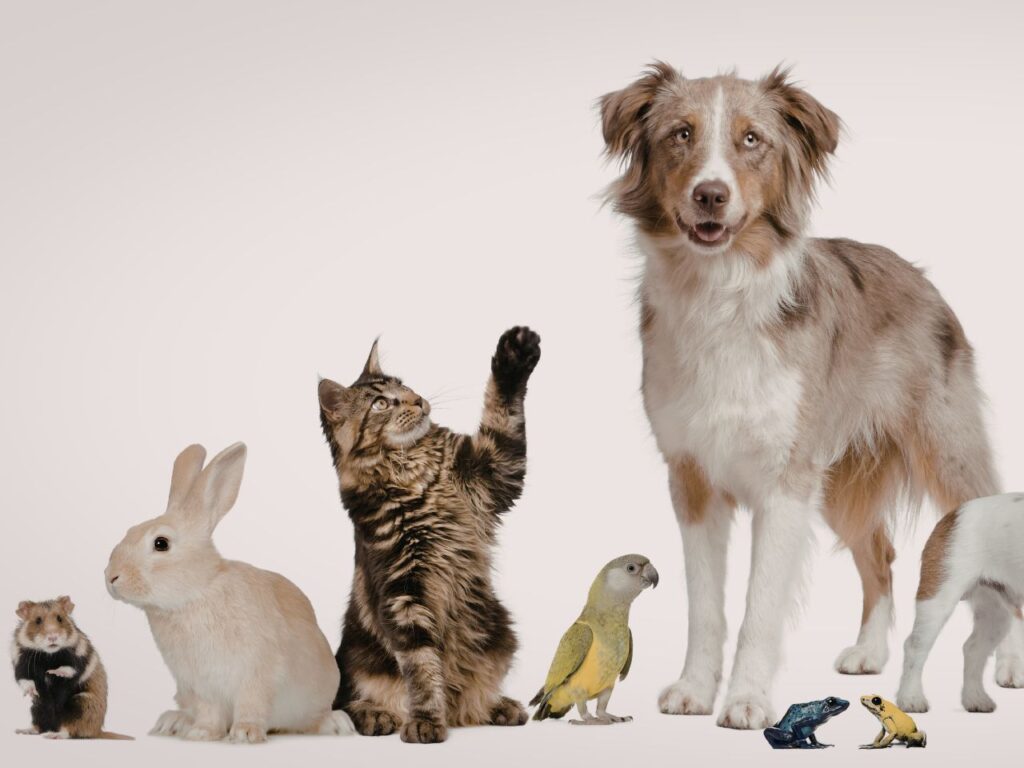
For animal lovers, you should have different types of pets in your midst. However, it might concern you if you have a dog, whether big or small, to have another tiny pet in your midst. You never know how your dog or other animals will react to each other.
Not only that, you might question whether it will be a positive or negative experience. All of these concerns are valid, but one question you might ask yourself is: what are the best small animals that can live with dogs? Thankfully, we have done extensive research to ensure you receive the best information possible.
Here is a brief overview of the animals that are best kept with dogs.
- Guinea pigs
- Birds
- Cats
- Fish
- Hamsters
- Chinchillas
- Mice
- Rabbits
- Chickens
- Lizards
As a side note, keep in mind that although you can keep these animals together, make sure you train your dog to be kind to them. On top of this, the dog’s temperament should be calm rather than high-energy.
We will also discuss how a dog’s temperament can affect your small animal companions, the risks involved, and the best practices for introducing your animals to one another. This article is jam-packed with a ton of great information, so let’s continue reading down below for more!
Best Small Animals to Live With Dogs
As mentioned before, many animals can live well with dogs, but the best ones are listed below. This is not to say that these animals are the only ones that can live with dogs, but in terms of having an easier life, these are the ones we have chosen to discuss today.

1. Guinea Pigs
Guinea pigs are some of the best, well-tempered animals that you can have. Not only will they provide you with lots of joy, but they also love cuddling and playing. They love interacting with their humans and animals, especially when introduced gradually.
Guinea pigs often need another cavy companion. If they get plenty of attention from you, they might not need one. However, guinea pigs are considered herd animals, so bear this in mind before getting one.
Another thing we will mention is that guinea pigs are prey animals, so we recommend supervising all interactions between your dogs and guinea pigs. Another thing to consider is that if you do not yet have a dog but are considering getting one, we recommend some of these dog breeds listed below:
| Dog breed | Characteristics |
| Bichon frise | Non-aggressive & playful |
| Poodle (toy or miniature) | Trainable & intelligent; can be gentle |
| Cocker Spaniel | Have a gentle nature; well-known for their soft mouths |
| Cavalier King Charles Spaniel | Great with small animals; gentle & friendly |
2. Birds
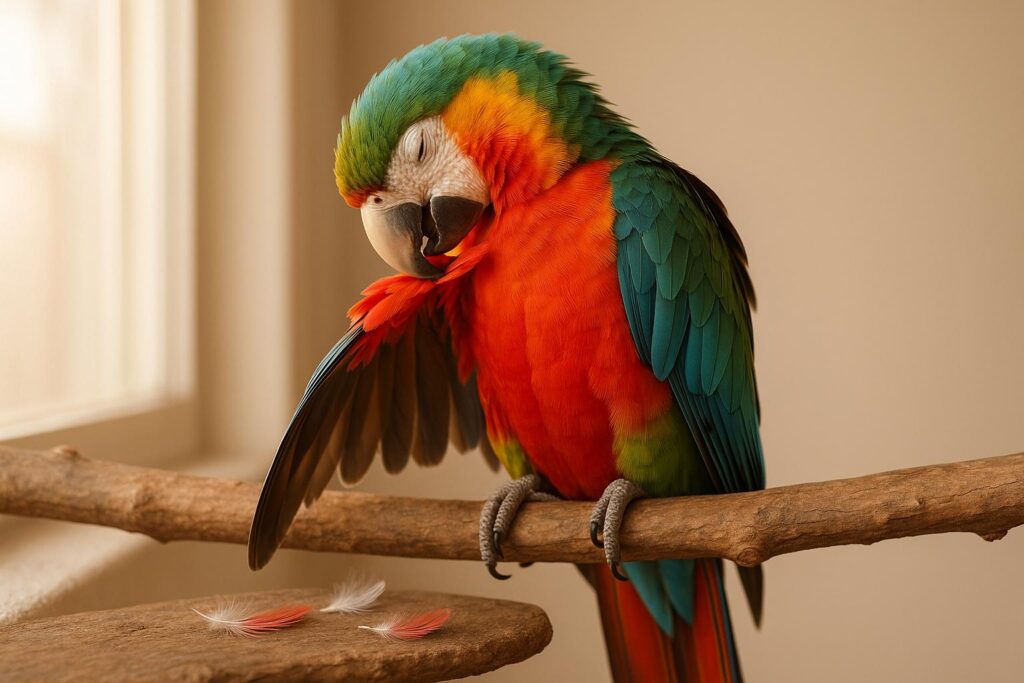
Birds make fantastic pets and form strong bonds with their owners. On top of this, birds are extremely intelligent and can learn certain words and commands you give to them.
In terms of getting along with dogs, they can absolutely connect with your dog, depending on the individual animal and both of their temperaments.
It helps if both animals are introduced at a young age so they can establish a good relationship. For example, if you have a dog that does not interact much with other animals or people, it might not do well with a new bird companion.
However, if you have a dog used to socialization and introduce them to a new bird from the store, they might get along great. Another thing to keep in mind is that if your dog is rough with the bird, they might wind up killing their flying companion. However, if your dog is gentle, then it should be okay as long as you provide supervised visits.

3. Cats
Cats are extremely social animals that get along with other pets, at least the majority of the time. Although cats can be aloof and hold grudges, when treated right, they are extremely sweet, playful, and loving pets.
Many cats and dogs can get along extremely well. Cats and dogs are both, as you may know, some of the most popular animals out there. In fact, dogs and cats are America’s most popular pets.
When introducing cats and dogs, do so slowly. Make sure each animal has their own space initially, so they have time to relax after anything stressful.
For example, your dog might be curious and sniff your cat, but the cat is not receptive and swats at it. In this case, it is important to ensure your cat has a place to calm down. The next day, do the same thing, but make it a gradual introduction.

4. Fish
Fish are an excellent pet to have with your dog for many reasons. One reason is that fish are located in a specific spot and will not roam the house or hide. Your dog might be entertained by how these fish swim, and it could provide them with plenty of stimulation throughout the day.
Although some dogs might like watching your fish swim, your dog might not even care that the fish are there in the first place. The biggest thing to consider is to monitor your dog around the fish tank so they don’t accidentally knock it over.
Dogs, especially small breeds, can get the zoomies at any time. If your fish tank is located near a place where they are running back and forth, make sure to monitor it. Alternatively, we recommend placing the fish tank in a location that is more difficult for your dog to reach.

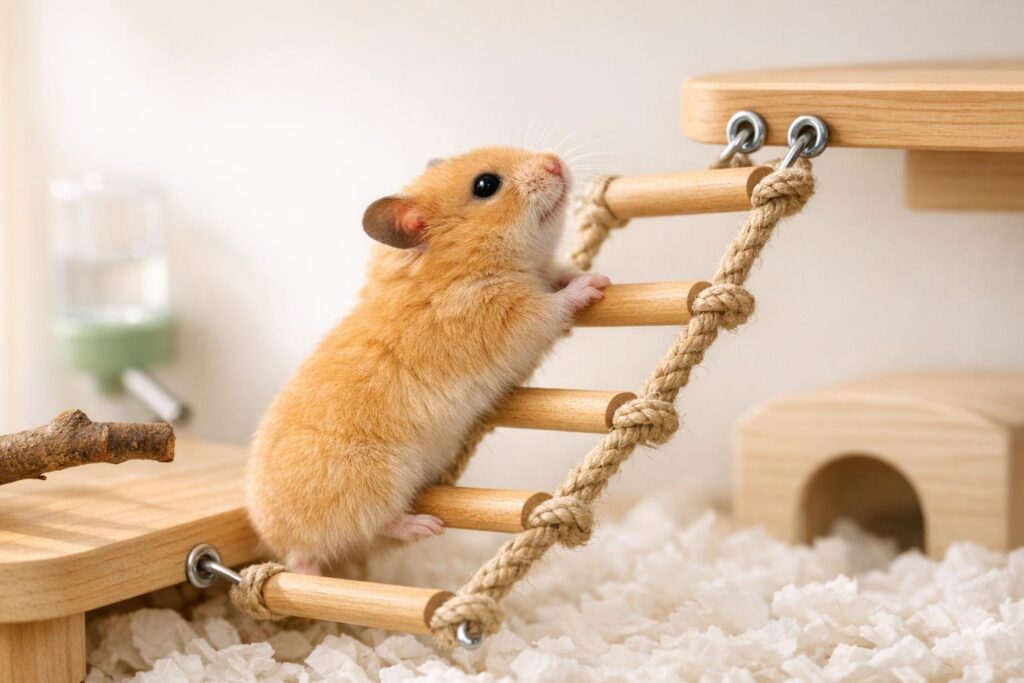
5. Hamsters
Hamsters can be a hit or miss if you already have a dog living with you. We say this for several reasons. One of the reasons why hamsters might be good pets compared to owning a dog is that, more often than not, they are in one specific location.
For example, if you have a teenage child who wants a pet, a hamster can stay in their room without the dog bothering it throughout the day. The door must remain closed during the duration your child is at school.
Make sure you observe your dog’s behavior. If you notice your hamster lunging, barking, growling, or showing any other aggressive behavior, it means your hamster is not safe around your dog.
Some positive signs of interest in the hamster include wagging their tails, sniffing around the enclosure, or staring intently. Even so, it is important to ensure you closely monitor your dog and how they react.
6. Chinchillas
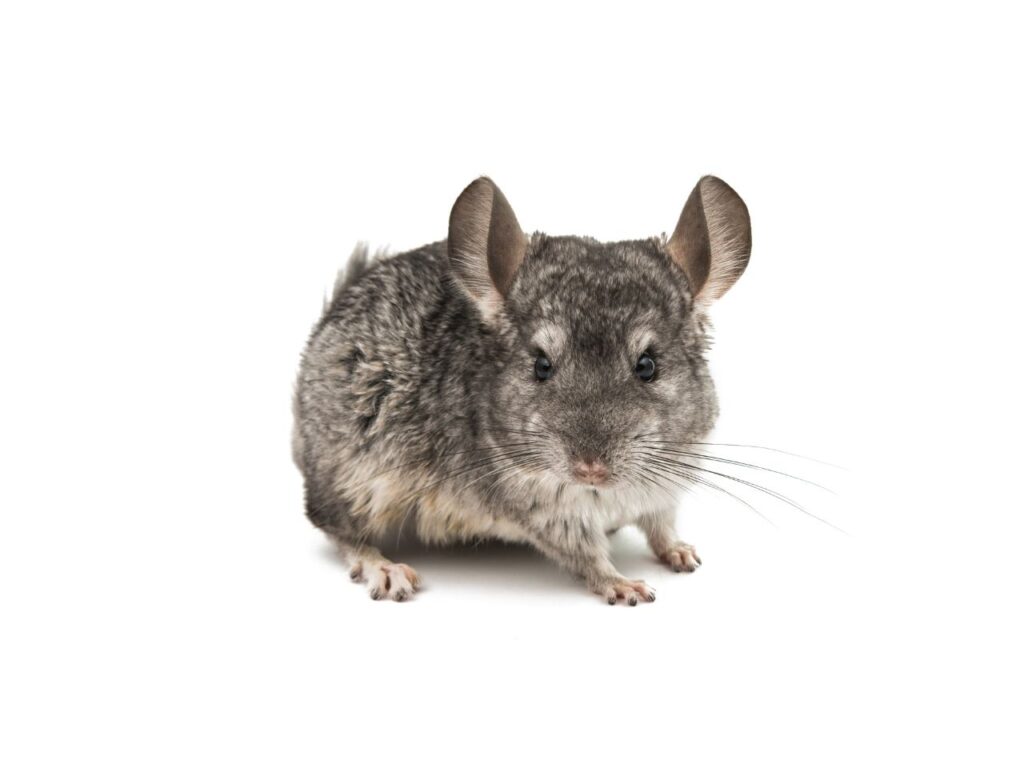
Chinchillas are excellent pets, especially if you want a small animal that lives a relatively long time. Not only do these animals have a fairly long lifespan, but they are also extremely social and playful, making them low-maintenance.
In terms of chinchillas getting along well with dogs, they are among the best animals to have around, as long as their cages are secure and out of the dog’s reach.
Some things you can do for your dog are provide plenty of rewards when they remain calm around your chinchilla. Another thing to consider is professionally training your dog if they show any predatory instincts, especially since chinchillas are considered prey.

7. Mice
Mice can be hit-or-miss because they’re so small. One good thing about having a mouse and a dog is that mice only live, at most, one to two years in captivity. Because of this fact, a mouse might be a suitable pet if you have a dog. Not only can you keep mice high up in an enclosure, but you can also put them in a room with the door closed while you are not home, ensuring their safety.
As mentioned previously, a dog’s temperament depends on whether having a pet mouse is ideal for you, as some dogs might not even care about their mouse companion, but others might want to try hunting for them.
Think about it this way: if a hound dog can chase down a rabbit, they can most certainly kill a mouse. However, dogs that do not care about their natural hunting instincts will be perfect mouse companions.

8. Rabbits
When rabbits and dogs live together, it is important to provide them with proper training and introductions. If your dog was initially a stray taken in, they might have had to chase down a wild rabbit from time to time to ensure they had enough food.
However, suppose you got your dog when you had babies or small children, or when it was a puppy. In this case, they would have extra practice being loving and gentle with their children and would know to do so when they are older. Another factor to consider is whether your dog is a puppy; they may not have enough self-control to ensure they are
9. Chickens
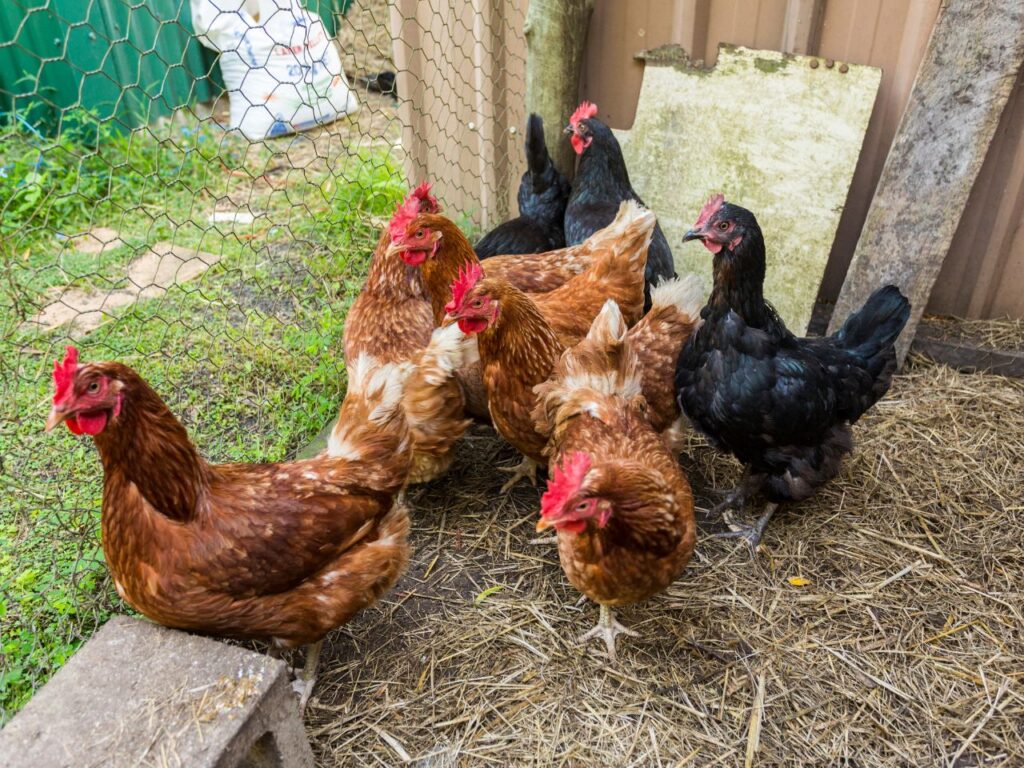
If you have chickens, you might be living in a rural area. In this case, you will need some form of protection, especially while you are sleeping through the night! Thankfully, some dogs are bred specifically to protect chickens from danger. However, these dogs are more often than not larger than any small breed you might want, but having dogs and chickens is a perfect mix if you have a larger yard.
On the other hand, you might want dogs and chickens to interact purely for friendship. Make sure to properly introduce them to each other and ensure your dog knows that the chicken is their friend, not prey.

10. Lizards
Lastly, lizards and dogs can coexist peacefully together. However, there are some factors to consider, like the type of lizard you should invest in. Make sure you gradually introduce them to each other so neither animal gets hurt. Another wise decision would be to allow your dog to sniff the enclosure without the lizard present. This way, your dog can get used to its scent and recognize it as normal.
Here is a list of lizards that would be great companions with dogs:
| Lizard Species | Characteristics |
| Blue-tongued skink | Good personality; friendly & easy-going |
| Bearded dragon | Good for beginners due to their social and relaxed nature |
| African fat-tailed gecko | Suitable for homes with dogs; gentle & calm |
| Leopard gecko | Mostly active at dusk; easy to handle & affectionate |
| Savannah monitor | Less likely to provoke a dog; friendly & calm |
What Should You Consider Before Dogs Coexist With Small Animals
It is important to consider all factors when getting multiple pets in your household. The last thing you want to see is your dog hurting your other small companion because they are not properly trained or too hyper. Because of this, let us contemplate together below.
1. Dog Temperament
As mentioned above, a dog’s temperament is extremely important when considering adding another small pet to their household. This could look like them being friendly, calm, or gentle, vs. a dog who is hyperactive, excited, or high-energy.
For example, breeds like Australian Shepherds, Border Collies, and Jack Russell Terriers are high-energy. Another thing to consider is that animals that are generally considered low-energy animals in their adulthood might not be good with small animals when they are younger, like Golden Retrievers or Labradors. However, they may make great companions to small animals when their hyperactivity calms down a bit in their adulthood.
It is important to note that all of the dogs mentioned above will need plenty of exercise due to their high energy levels.
On top of this, small animals like English Bulldogs, Basset Hounds, and Cavalier King Charles Spaniels are ideal pets due to their relaxed, gentle personalities.
2. Consistent Supervision
Suppose you want to encounter the two animals regularly. In that case, it is extremely important to constantly supervise both animals to ensure nothing bad happens, especially to the smaller pet. Make sure you utilize crates or baby gates to keep them separate when necessary.
Although some dogs are extremely gentle, others might not be as predictable and might want to yap at the tiny animal, or might not be super friendly. It is also important to note that if your dog has aggressive tendencies or shows signs of aggression, they should be immediately taken out of harm’s way.
3. Allow a Gradual Introduction
Gradually introducing your dog to your small animal is extremely important. You can do this by letting your dog sniff the bottom of the door, through a glass window, a baby gate, or another barrier that keeps them separate for a while. It is important to take your time with this, and it might take several weeks or even months to accomplish. Once your dog knows the scent of the animal, you can move on to the next stage until your dog is completely comfortable being introduced.
4. Train Your Dog
Sometimes, a simple training of your dog will do the trick. You can do this by hiring a professional dog trainer or by training them yourself using positive reinforcement. For example, if your dog loves to jump on you, especially a large one, you can give them a command such as “down,” and when they listen, use the action with a treat. In this way, your dog will associate the positive behavior with something special.
5. Keep Small Critters in Enclosures
Lastly, make sure that when you first introduce the animals to one another, your small critter stays in its enclosure. Many curious dogs want to get right up in small animals’ faces and sniff every part of their bodies. However, doing so is likely to scare your smaller animal, and it could lead to behavior issues later. However, if your small animal is in a cage or similar enclosure, they might have an easier time adjusting to your dog.
What Are the Potential Risks of Keeping Small Animals With Dogs?
Almost everything in life comes with some risk, even if it is minimal. For example, if you have babies, the first time they walk, although it is an amazing thing, they will likely fall several times before getting the hang of it.
Even still, regarding keeping small animals with dogs, the risks include injury or death to the small animal. This is due to your dog’s innate predatory instincts.
As mentioned above, we recommend carefully supervising any visits they might have. If you feel your dog will hurt your tiny pet, we recommend keeping them far apart and keeping the door to the room the small animal is in closed at all times.
Final Thoughts
It is entirely possible to keep a dog and a small animal in the same household. The biggest keys we need to take away are to ensure you introduce them correctly and that your dog is non-aggressive towards the little pet(s).
We wish you the best on your journey to bond the two of your animals together! If you have any more questions regarding these animals, we recommend checking out our other articles for more information.