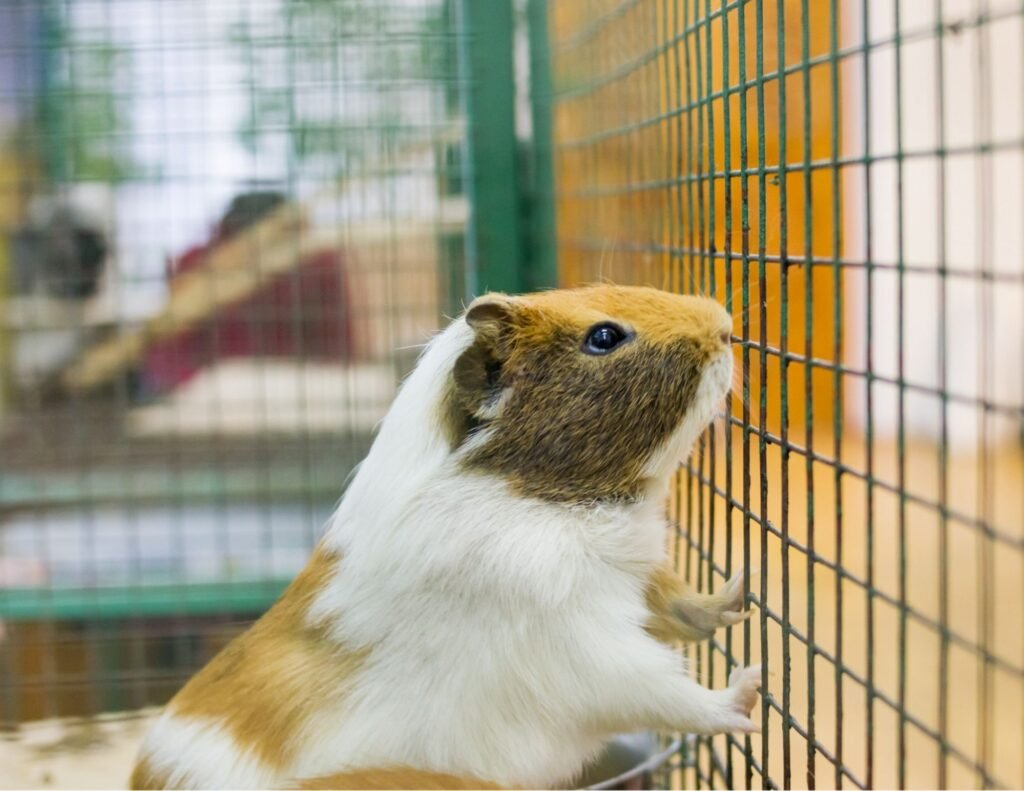

Creating your own rodent food ensures your pets get the right nutrition without relying on store-bought mixes full of fillers. Rodents like rats, mice, hamsters, and gerbils need a diet with 16% protein and 4–5% fat to stay healthy. Homemade mixes allow you to tailor their diet based on age, health, and specific needs. Here’s what to include:
- Base Grains: Rolled oats, barley, or rice flakes for fiber and energy.
- Seeds: Unsalted sunflower and pumpkin seeds for healthy fats (in moderation).
- Protein: Dried peas, lentils, or mealworms for plant and animal protein.
- Puffed Grains: Puffed rice or wheat for crunch and carbohydrates.
- Extras: Dried herbs (parsley, oregano), small amounts of dried fruits (cranberries, bananas), and uncooked whole-grain pasta for variety.
Mix ingredients in proper ratios (e.g., 50% grains, 5–10% protein) and store in airtight containers to maintain freshness. Always avoid harmful items like raw beans or citrus fruits for male rats. A balanced, homemade mix not only meets nutritional needs but also supports dental health and encourages natural foraging behaviors.
Essential Ingredients and Ratios for Homemade Rodent Food Mix
DIY Rodent Mix | Homemade Food
Main Ingredients for Homemade Rodent Food
Creating a balanced homemade rodent diet starts with ingredients that meet their nutritional needs – 16% protein and 4–5% fat. Each component plays a vital role in providing the nutrients your furry friend requires daily. Here’s a breakdown of the essential ingredients to craft a nutritious mix.
Rolled Oats: A Solid Foundation
Plain, dry rolled oats serve as an excellent base for your rodent’s diet. They’re rich in dietary fiber, which supports digestion, and iron, which helps maintain energy levels. In the well-known "Subee’s Homemade Rat Diet", rolled oats make up 0.5 to 1 lb of the total dry mix.
"Rolled oats – iron and dietary fiber" – Whitney, Author and Pet Specialist
Stick with plain rolled oats – skip instant or flavored options that often contain added sugars and preservatives. To diversify the mix, combine oats with other grains like rolled barley or rice flakes. This helps prevent selective eating and balances the higher-protein ingredients.
Seeds: Sunflower and Pumpkin
Unsalted sunflower seeds (preferably in their shells) and raw pumpkin seeds provide healthy fats and energy. The shells on sunflower seeds also encourage chewing, which naturally helps keep your rodent’s teeth in check.
Since seeds are high in fat, moderation is key. Rodent diets should maintain a fat content of 4–5%, so limit seeds to 5–10% of the total mix and offer them as occasional treats.
"The total amount of treats offered should be less than 5-10% of the total daily diet." – VCA Animal Hospitals
Choose unsalted, unroasted seeds, as many human snack varieties are too high in sodium. To keep seeds fresh, store them in airtight containers to prevent the fats from going rancid.
Protein from Dried Peas and Lentils
Dried peas and lentils are excellent sources of plant-based protein, providing the 10–15% protein needed for healthy adult rodents. Pairing these with grains creates a more complete amino acid profile.
Important: Avoid raw dry beans, as they contain anti-nutrients that can harm your pet by destroying vitamin A and interfering with protein digestion. Always cook dry beans thoroughly before feeding them.
"Raw dry beans and peanuts contain anti-nutrients that destroy vitamin A and enzymes needed to digest protein and starches, and they cause red blood cells to clump." – Whitney, Author
For variety, you can also include dehydrated peas or lentil-based pasta, which not only add protein but also support dental health.
Puffed Grains: Light and Crunchy
Puffed rice and puffed wheat are great for adding carbohydrates and promoting dental health with their crunchy texture. These grains are low in calories but add volume to the mix, making them a smart addition. Stick to unsweetened varieties to avoid unnecessary sugars, and aim for whole grains to make up 60–80% of the total mix. This helps balance out the higher fat content from seeds and nuts.
Dried Mealworms: A Protein Boost
Dried mealworms are a fantastic source of animal protein, especially for omnivorous rodents like rats and mice. Use them sparingly – just a small handful mixed into the dry food can provide a protein boost without throwing off the mix’s nutritional balance. For older male rats, who may be prone to kidney issues, plant-based proteins like soy are often a gentler alternative.
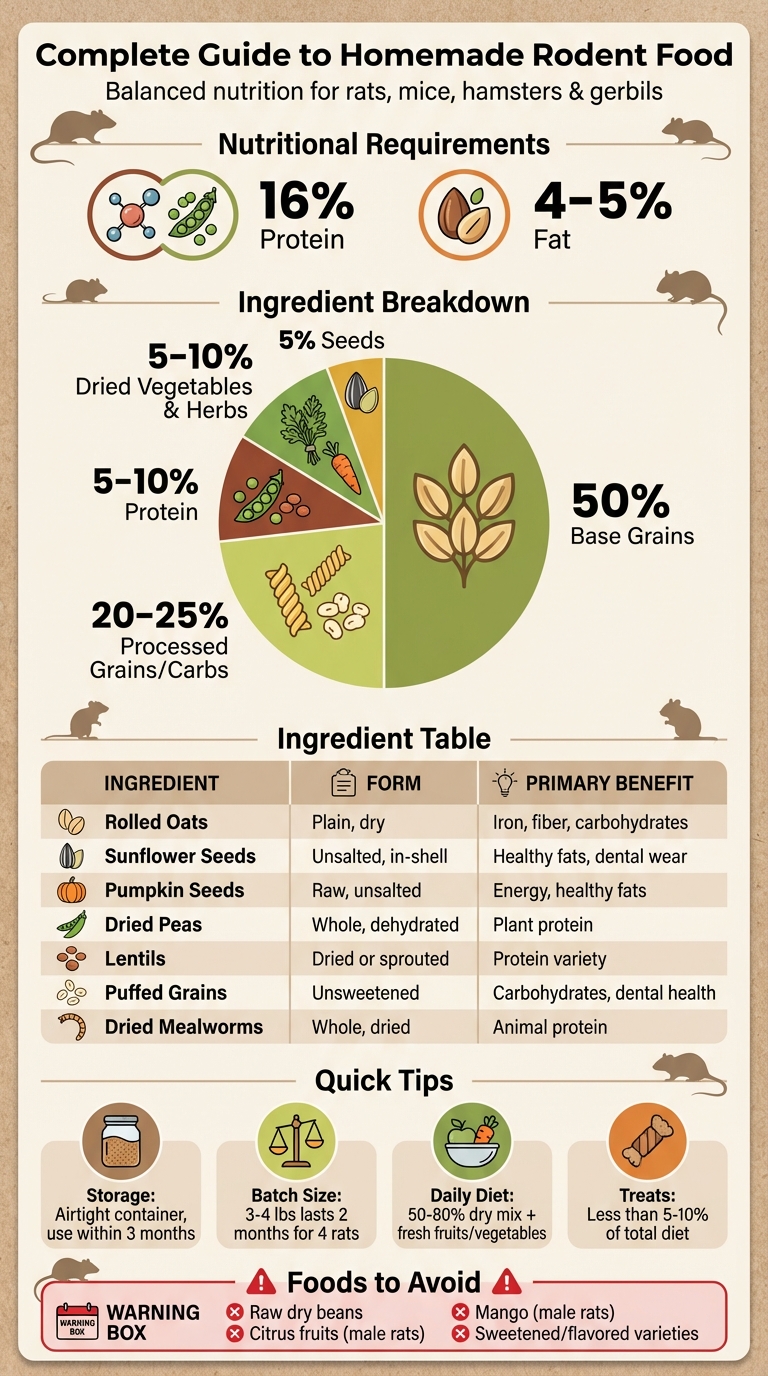
| Ingredient Type | Recommended Form | Primary Benefit |
|---|---|---|
| Rolled Oats | Plain, dry | Iron, fiber, carbohydrates |
| Sunflower Seeds | Unsalted, in-shell | Healthy fats, dental wear |
| Pumpkin Seeds | Raw, unsalted | Energy, healthy fats |
| Dried Peas | Whole, dehydrated | Plant protein |
| Lentils | Dried or sprouted | Protein variety |
| Puffed Grains | Unsweetened | Carbohydrates, dental health |
| Dried Mealworms | Whole, dried | Animal protein |
Additional Ingredients for Variety and Nutrition
Boosting your basic mix with a few carefully chosen extras can make a big difference in both flavor and nutritional value. These additions shouldn’t dominate the diet but can provide enrichment and health benefits when used wisely. Think of them as a way to round out the mix with a touch of variety and essential nutrients.
Dried Herbs: Parsley and Beyond
Dried herbs like parsley, mint, basil, and oregano are more than just flavor enhancers – they’re packed with micronutrients and can diversify taste profiles. Parsley, for example, is known for its antimicrobial properties and its ability to ease stomach discomfort. Just be sure to stick to the leaves and stems, avoiding the seeds. Oregano, on the other hand, contains compounds like carvacrol and thymol, which can help with antifungal and antiparasitic support. For something extra, you can include foraged dandelion leaves, but ensure they’re free of pesticides and pollutants. Dried kale or plain seaweed sheets are also great options for adding minerals. Sprinkle these herbs into your dry mix or incorporate them into baked treats for a nutritional boost.
Dried Fruits in Moderation
Dried fruits like bananas, cranberries, raisins, blueberries, and apples (make sure to remove the seeds) bring natural sweetness and a dose of vitamins. Cranberries are particularly beneficial for urinary tract health, while bananas are a solid source of potassium. That said, steer clear of mango and citrus fruits for male rats, as these contain d-limonene, which has been linked to kidney issues and cancer risks. Because rodents are naturally drawn to sugary foods, it’s important to keep dried fruit intake low. Aim for about ½ lb of dried fruit in a 2–3 lb dry mix, offering it only 2 to 3 times per week. Stick to pea-sized pieces and try to maintain a ratio of one part fruit to four parts vegetables to minimize sugar consumption. Always choose unsweetened, preservative-free options.
Uncooked Pasta for Chewing and Nutrition
Adding uncooked pasta to the mix can provide not only complex carbohydrates and fiber but also a fun way for rodents to wear down their teeth. Whole-grain pasta is a better choice than white, as it offers more nutrients. Opt for smaller shapes like macaroni, penne, or fusilli for easier chewing – or break longer types like spaghetti into bite-sized pieces. Be sure to use plain, unflavored pasta. As a general rule, treats like pasta should make up no more than 5% to 10% of the daily diet. In some DIY recipes, processed grains, including pasta, can account for 20–30% of the mix.
sbb-itb-e212914
How to Mix and Store Homemade Rodent Food
Ingredient Ratios and Mixing Instructions
To prepare a balanced homemade rodent food mix, stick to these ratios: 50% base grains, 20–25% processed grains or carbohydrates, 5–10% protein, 5–10% dried vegetables and herbs, and 5% seeds. This method, inspired by the Shunamite Diet model, relies on volume measurements rather than weight. Use a consistent scoop for accuracy – one scoop equals 5% of the total mix.
For proper nutrition, rodent diets should include at least 16% protein and 4–5% fat. Dry food should make up 50–80% of their daily intake, complemented by fresh fruits and vegetables. A batch weighing around 3–4 lbs can last approximately two months for a group of four rats. To ensure all ingredients are evenly distributed, mix them thoroughly in a large container.
"The important thing is to get the proportions of different food types roughly right. The % ranges are guides to accommodate different locally available ingredients." – Alison Blyth, Rat Breeder and Author
Once your mix is ready, proper storage is vital to keep it fresh and nutritious.
Storage Guidelines
Keep your mix fresh by storing it in an airtight container in a cool, dry place to avoid contamination. For smaller quantities, glass mason jars work well, while larger batches are best stored in plastic bins with tight-sealing lids. Always label containers with the preparation date and use the mix within three months, as ingredients can lose nutritional value and become stale over time.
As for fresh fruits and vegetables, remove any uneaten portions from the cage after a few hours to prevent spoilage or bacterial growth. Proper mixing and storage not only ensure your rodents receive the best nutrition but also help maintain the quality of their food.
Conclusion
Creating your own DIY rodent food mix allows you to customize the ingredients to suit your pet’s specific needs – whether it’s promoting healthy growth in young rodents, managing weight in adults, or offering kidney-friendly options for older males .
These homemade mixes go beyond nutrition by adding mental enrichment to your pet’s life. Offering a variety of textures and flavors keeps meals interesting and prevents food boredom. Plus, using scatter feeding techniques encourages natural foraging behaviors, which are great for mental stimulation . Hard ingredients, like uncooked pasta, also serve a dual purpose by helping to wear down their continuously growing teeth, supporting dental health .
Another bonus? DIY mixes are often more budget-friendly than store-bought options. Just be cautious when introducing new foods, especially fresh vegetables, to ensure your pet adjusts without digestive issues.
FAQs
What are the best protein sources to include in homemade rodent food?
For a well-rounded homemade diet for rodents, prioritize lean, freshly cooked animal proteins. Some excellent choices are small servings of cooked chicken, boiled turkey, or a hard-boiled egg. These foods supply the essential amino acids needed for growth, reproduction, and maintaining overall health.
Steer clear of relying on high-fat foods like nuts or seeds as primary protein sources. While they might seem appealing, they lack critical nutrients and can contribute to unhealthy weight gain. Aim to keep protein at about 10–15% of their daily intake, complemented by a grain-based dry mix (making up 50–80% of their diet) and fresh fruits and vegetables for fiber and vitamins. This combination helps ensure your pet rodents remain healthy and content.
How do I keep homemade rodent food fresh and safe to eat?
To keep your homemade rodent food in top condition, store the dry mix in an airtight container, such as a sealed glass or plastic jar. Place it in a cool, dark spot to protect it from moisture and light, which can spoil the ingredients. If you’re making a larger batch, consider dividing it into smaller portions and freezing them in freezer-safe bags or containers. Once you thaw a portion, aim to use it within a week and reseal the rest to maintain freshness.
For fresh foods like fruits, vegetables, or the occasional protein treat, prepare only the amount your pet will eat in a day. If there are leftovers, refrigerate them in a sealed container at 40°F or lower and discard anything uneaten after 24 hours to prevent spoilage.
To stay organized, label each batch with the preparation date so you can use the oldest ones first. Also, use sturdy, spill-proof feeders to keep the food clean and free of bedding or droppings. Following these steps will help ensure your homemade mix remains fresh and nutritious for your furry friend.
Why shouldn’t I include citrus fruits in homemade food for male rats?
Citrus fruits, particularly those with high levels of d-limonene, can pose risks to male rats. This compound has been associated with kidney problems in males due to their specific physiology. While female rats can safely consume citrus, it’s better to avoid including it in homemade rodent food altogether to protect the well-being of all your pets.
A better approach is to prioritize safe, nutritious options like grains, seeds, vegetables, and occasional treats such as apples or berries (but always in moderation). Before adding anything new to your rodent’s diet, it’s wise to do thorough research or consult with a professional.