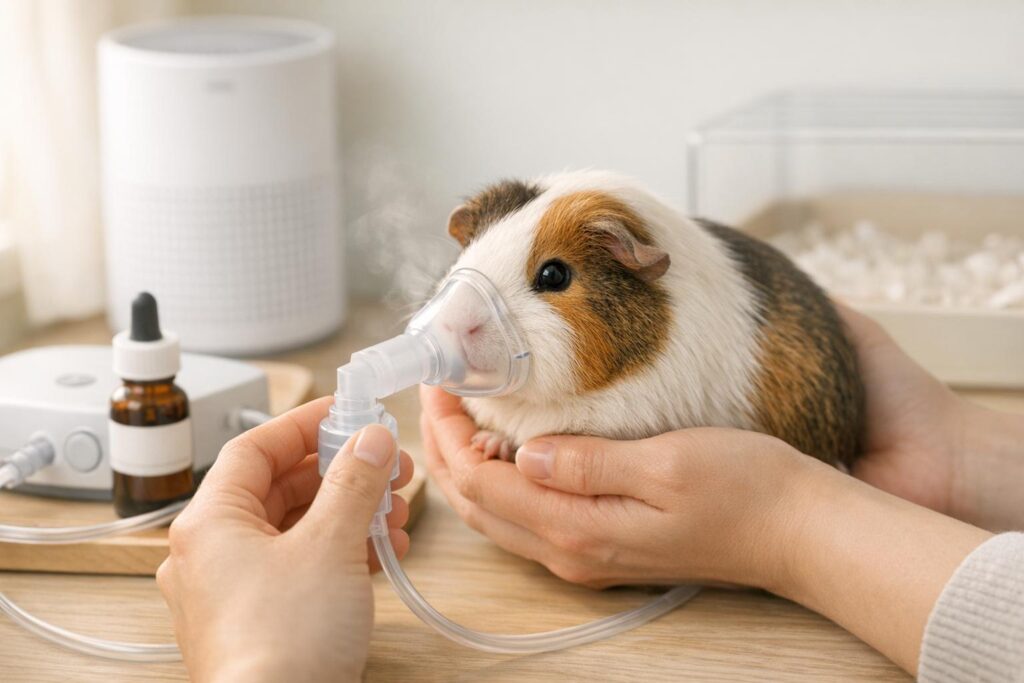
Managing Chronic Respiratory Conditions in Small Pets
Manage chronic respiratory conditions in small pets with vet-guided meds, improved air and bedding, proper nutrition, and emergency oxygen readiness.


Manage chronic respiratory conditions in small pets with vet-guided meds, improved air and bedding, proper nutrition, and emergency oxygen readiness.
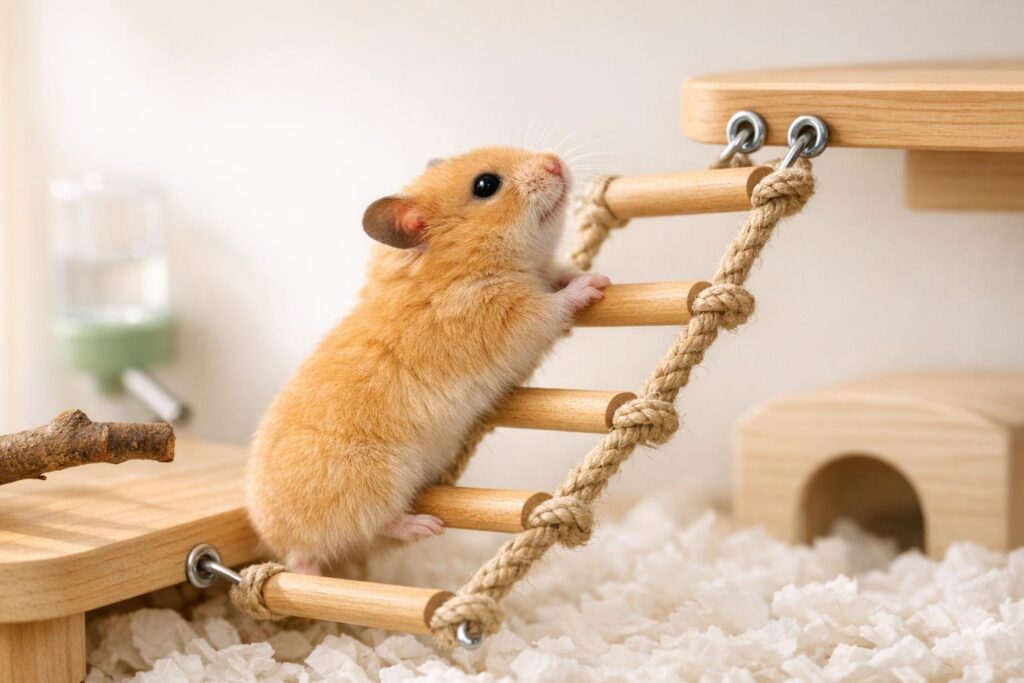
Climbing structures like ropes, ladders, and platforms boost small pets’ fitness, lower stress, and encourage natural behaviors with safe setup tips.

Pick a box 1.5× your cat’s length with a 2–4 inch low entry, durable material, and open design; place it in a quiet spot and scoop daily.

Create affordable, safe DIY toys from household items that encourage chewing, foraging, and hiding to keep rabbits, hamsters and guinea pigs active.

Compare Oxbow and Science Selective for small pets’ skin and coat health—ingredients, dosing, price, and which fits allergies, treat preferences, or daily use.
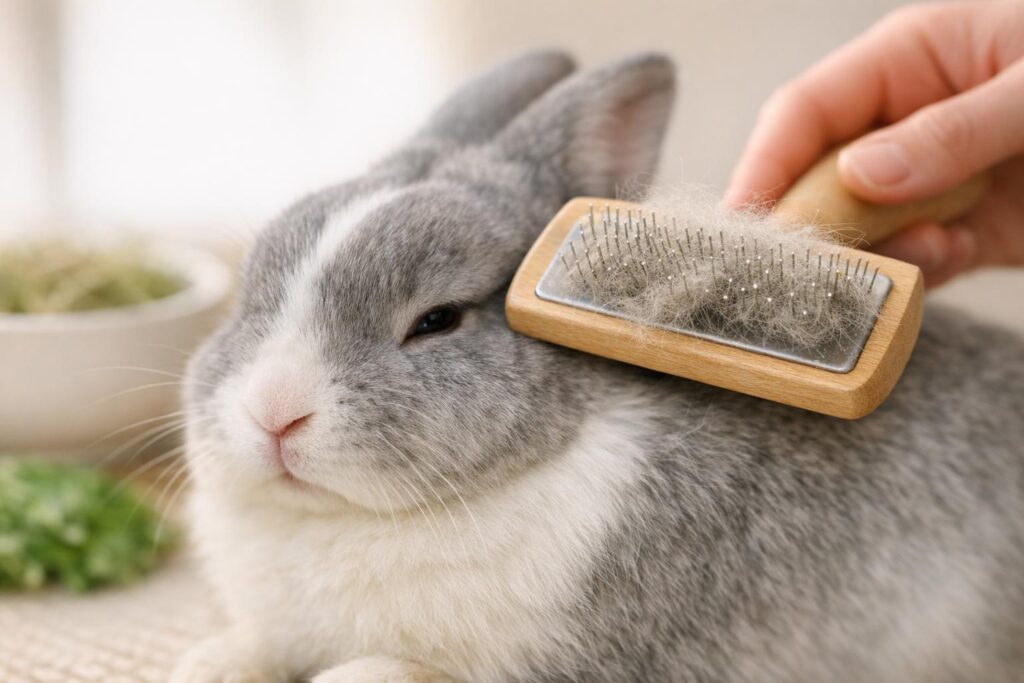
Manage heavy rabbit shedding with daily brushing, plenty of hay and water, fresh greens, clean spaces, and vet checks during seasonal molts.

Heavy-duty rabbit run covers shield outdoor runs from rain, snow, wind and sun — materials, sizing, installation and maintenance explained.

Interactive toys boost small cats’ mental and physical health, curb destructive behavior and obesity, and include simple tips for safe play and toy rotation.
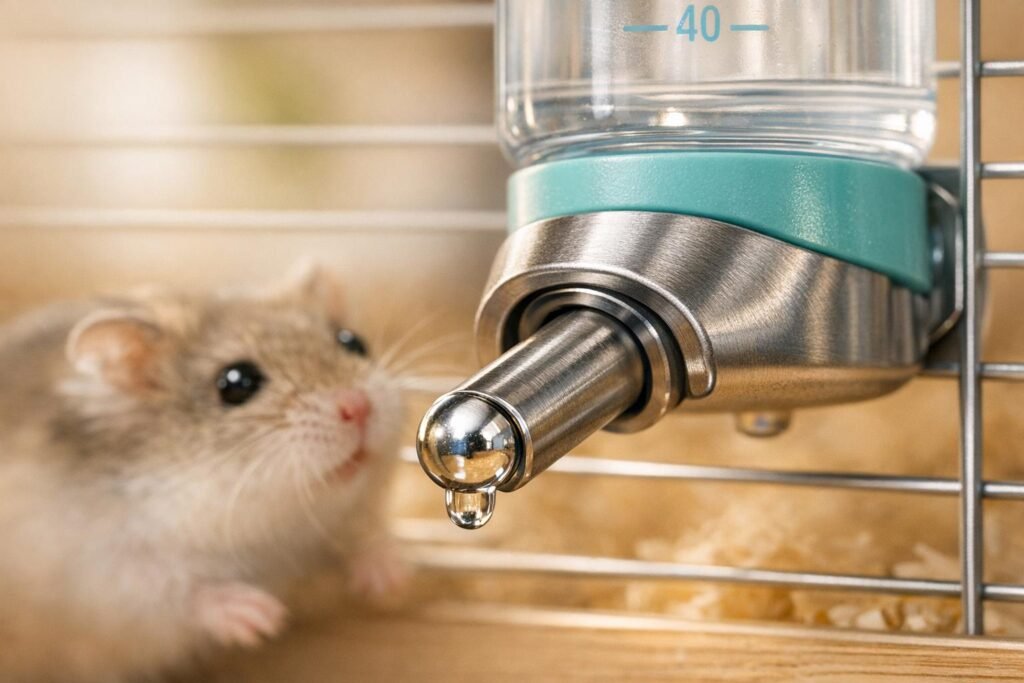
Leak-proof, chew-resistant water bottles in the right size are essential to keep small pets hydrated and mess-free.

Compare paper and aspen wood bedding for small pets—absorbency, dust, odor control, cleaning frequency, and respiratory safety.