
Pet mice can make a wonderful pet for younger children, but certain qualifiers allow you to better discern whether this would be an ideal choice for your child and, to a lesser extent, your home at large.
The biggest of those factors boils down to your child’s overall maturity and innate understanding of patience and the fragility of the animal itself. In most situations, however, you’ll want to try larger and more resilient animals to gauge how your little one will respond.
Is a Mouse a Good Pet for Kids?
A pet mouse is a good pet for slightly older children because they’ve more than likely had experience with cats, dogs, and other animals and have a better foundation as to how you might handle them and what kind of limitations there are around the animal itself, both in terms of the animal’s overall patience and acceptance for small interactions and how durable it is.
If you are considering getting a pet mouse specifically for your children, it would be highly recommended that the animal remains in a location that the child has limited to no access to without parental supervision, as they may not intend to harm it. Still, the excitement and joy from playing with a fluffy friend can be too stimulating and cause unintended accidents to happen.
However, there are three key points that really make mice stand out as a good opportunity for kids to get more acquainted with animals in general and how to take care of their pets moving forward. Those points are for education, how easy mice are to take care of, and finally recognizing and understanding how and when to interact with your pet.
1. Educational Purposes
There is a litany of information to be gained when engaging with a new pet, and mice are certainly no exception to that rule. Be it their small frame and unique physicality to how they interact with each other and people, they are fascinating little creatures. Studying how they navigate the world and grow to love and respect their place in it grants amazing perspective, which can prove invaluable when viewed in a learning capacity.
As children get more in touch with the schedule around the mouse’s general needs, they will come to respect different parts of its lifestyle that will also intertwine with their own, things like a need to socialize, the importance of a healthy diet, and how exercise not only can keep your body growing, but aid your mind in meaningful releases from stress and other emotions.
While it isn’t the happiest topic, the final educational aspect a child can gleam from owning mice would be navigating topics like mortality and lifespans, which can seem rather dark, but understanding it to be a part of life, just like the raw enjoyment, can be paramount to a child’s growth as well.
2. Low Maintenance
When compared to other larger pets, mice are definitely on the low end of how much consistent care is actually required for them to be happy and healthy. It truly boils down to routine interaction, keeping their cage clean, and restocking their food, which can all be turned into instances of bonding, taking the tedious chore viewpoint out of the equation and making it more enjoyable.
The low maintenance portion of the mice’s daily routine can also help better establish a normalized routine for your little ones as well, giving them guidance and a set of rules to follow that can blossom into wonderful character traits even if they are personally a bit distracted, or feeling distant, an opportunity to return to center and work their way out of certain situations with you guiding them in a slightly hands-off way.
3. Social and Engaging Aspects
Mice are extremely social animals, both amongst themselves and their human caregivers. They show love and affection in several ways, ranging from direct physical touch, “kisses,” and nuzzling to desiring to be near you, enjoying your presence, and finding peace when you or your children are around.
Being able to actively observe your influence on another being helps develop your child’s perspective on who they are and how their choices can affect their environment. Mice are a wonderful learning opportunity, enhanced by how simply feeding them and talking to them alter the mice’s perspective of the children, making the entire experience unique, to say the least.
Are There Any Specific Reasons Why Mice Are Not Suitable for Children?
Like all things in life, there are pros and cons to anything and everything, and the topic on whether or not mice are good pets for children is no exception to this golden rule. Unfortunately enough, and while there are many positives to grasp, the negatives can certainly outweigh the positives if your child is of a different temperament or other additional variables come into play.
1. They Carry Diseases
Mice, in both folklore tales and reality, are known to be harbingers of diseases and often have a negative stigma around them for this reason. Still, it isn’t unjustified, as they are known to carry ailments and maladies that can wreak havoc on our immune systems. With things like Tularemia, Plague, and Leptospirosis, and generally carrying allergens, there are several reasons why mice are not the healthiest or wisest choice for your child.
2. Your Child Might Have Less Patience
Patience does not come naturally to everyone, and children are very rarely in a position to understand what patience is, let alone acknowledge when they are being impatient or not. While this might not be an issue with proper raising and normalized conditions, when you are looking into having a life in your hands, that point of contention changes dramatically.
If the mice decide not to behave in a way your child wants them to, or worse, cannot be convinced to stay in a particular position or allow themselves to be held, the child may get upset, or worse angered, leading to dangerous consequences for the animal itself, be it on accident or on purpose.
Bearing that in mind, you’ll need to be able to gauge your child and speak with yourself earnestly on whether or not a mouse would make a good pairing with your child, knowing how they react and perceive certain stimuli.
3. May Get Lost if Not Watched Over Appropriately
Like all animals, mice are innately curious about the world and their surroundings. To that end, they are more than comfortable pushing the boundaries and limitations of their surroundings, normally just to find out what they can. However, if their enclosures are too cramped, this may evolve into a desire to escape.
Regardless of which scenario is playing out, should the mouse manage to escape its enclosure, it is tough to find them again in almost any sized room, never mind if the entirety of your home is easily accessible once they’ve escaped.
Assuming this happens, you’ll have your hands full, attempting to get the little creature back into its home. The process itself can traumatize it, making it less likely to return to how it once behaved or establish a desire to constantly escape and see more of your home.
It’s also important to note that these all assume your home is safe enough to be appropriately navigated without anything befalling the mouse itself. Other animals like cats, dogs, and more can see the mouse running around, and nature may run its course that way, so be careful.
4. Mice May Bite or Scratch Your Child
Dabbling back to the realm of volatile temperaments, mice are animals, and as such, they are proclive to defend themselves when they feel threatened or get injured, regardless of whether the circumstance was an accident or purpose. They may react by biting or scratching to get free from the situation.
If this plays out, not only will the incident potentially bar your child’s interest in further interaction with the animal itself, but the animal may resent the child’s presence or fear their interaction as they may get hurt again.
It is imperative to have deep discussions about how to handle any and all interactions with the mouse and how your child should navigate around the enclosure and behave with the animal to avoid these situations.
5. Mice Are Extremely Fragile
In much the same way that a mouse can have an involuntary reaction to being mishandled or scared, your child can also injure their pet without meaning to. Explaining how fragile a mouse is, how its bone structure works, and what kind of injuries can occur if it is accidentally squeezed or dropped is an important part of the conversation when educating your little one on how to handle their new pet.
Regular interactions can be easy enough to explain, but what can quickly change the course of the conversation are instances where you don’t have a vast amount of control over your own body. With things like sneezing, coughing, and other similar “Knee-Jerk” reactions, you can easily injure the animal without ever needing to, or at the best case, scare it.
Taking time to intricately explain these concepts to your little one to the best of your ability will provide additional understanding of just how gentle they need to be and, in turn, will make them more mindful of their surroundings and actions. However, the primary issue here is that that is a very difficult concept to grasp and harder to enact consistently.
What Factors to Consider Before Getting a Mouse for Your Child
The biggest discerning factors you’ll want to note before getting a mouse for your child are their general temperament and maturity, how they perceive their responsibility to the mouse, and finally, how often you can be intricately involved to not only nurture your child’s understanding of pet ownership but also guide them if things go slightly wrong.
Keep in mind that there is no negative stigma regarding why a mouse may or may not make a great fit for your home, and having a limited amount of time to invest in explaining such things doesn’t negatively reflect on anyone’s parental style. It’s simply a question of whether this specific pet works for your household dynamic.
1. Your Children’s Age and Maturity
All children grow and mature at different rates, and while some may excel scholastically, they may not be the most perceptive emotionally, and vice versa. To that end, you’ll want to ask yourself: Is your child’s normal behavior and set of responses to negative and positive stimulation reflective of having a small, fragile pet?
When thinking about this topic, it’s good to look back on similar circumstances that you’ve noticed either in interactions with yourself, family members’ pets, or even friends of theirs. Then, attempt to draw a line on how certain situations could play out and make a choice that is right for you and your child by association.
2. Your Child’s Involvement and Commitment to the Mouse
In much the same way that having pets, in general, is not the best idea for everyone, your little one’s ability to understand the weight of responsibility in pet ownership is another lengthy conversation that will need to be had before even going down that particular road.
Assuming they can understand it isn’t like owning a toy, and you can simply walk away when you get bored, and that there will be times they don’t feel like taking care of it; they will need to, then getting a mouse can be a great choice. But if these kinds of investments are simply what they want, then you’ll just have to find a different solution.
3. Parent or Guardian Supervision or Involvement
In today’s age, parents are busier than ever, juggling a career, a household, raising children, and keeping appearances, never mind anything even remotely resembling a social life. It’s hard to make room on our plates for anything extra, so factor in how much time you can personally invest to ensure everything goes smoothly while your child is taking care of their pet.
Accidents do happen, and in those circumstances, guidance will be needed. If you aren’t available to do so (again, not pointing fingers or assuming any negative stances), then it might be better to go with a different kind of pet or forgo the idea altogether.
Are There Any Rodents That Are Suitable for Children?
Yes, other rodents can stand in the same place as mice for children as pets. Still, it’s important to note the differences in raw needs aren’t too dramatically different. These other rodents have slightly different needs and emotional requirements that may or may not be ideal for your family as pets.
Suppose you couldn’t justify having a mouse as a pet. In that case, you likely won’t be able to tangibly say that any other rodents would make ideal substitutions either; just a bit of honesty before moving forward.
1. Guinea Pigs
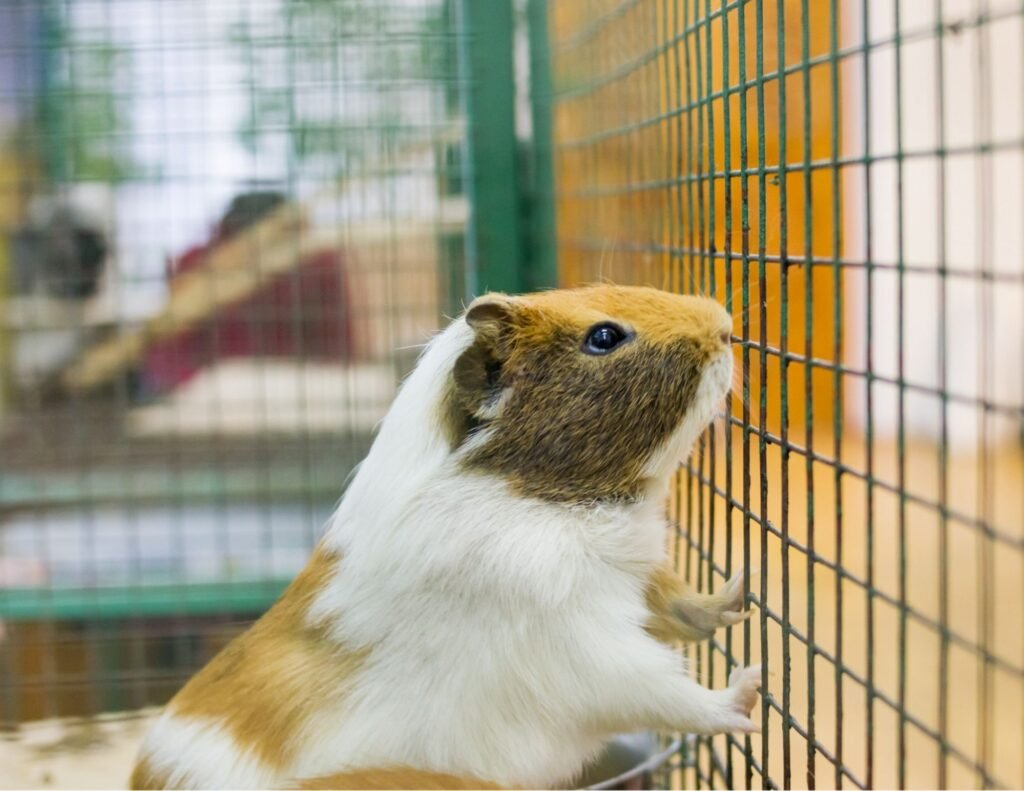
These fluffy fellows can also make good pets. Still, they trade the fragility of their entire body for the extreme fragility of their spine, making them very prone to hazardous falls and other similar situations. Physical limitations aside, they are typically more reciprocating of physical affection than mice but can also be more reclusive and demanding in terms of what their enclosures need to feel satisfied.
2. Rats
Rats and mice are very similar in appearance, but overall, you’ll find that mice are keener on being curious and adventurous, willing to take bigger risks and overcome adversities more easily than rats, which are much more skittish and harder to establish strong bonds with.
Suppose your child wants a very close relationship with their pet, with the ability to pet them and interact with them physically regularly. In that case, rats may not be the ideal choice, especially when you couple that understanding with possible frustration at not being able to engage with them how they want.
3. Hamsters for Older Children
Hamsters are very lovable oafs. They wander around and happily interact with their favorite people. They can become very accustomed to being handled, interacting with, and indulging in treats together (with healthy respect on a normalized diet). These guys are great alternatives and can easily woo you with their adorable eyes.
4. Gerbils for Older Children
Gerbils are basically hamsters; they are on diets, and they are usually longer and leaner in nature. However, it’s worth noting that gerbils are actually nicer overall than hamsters, especially if you are going with the idea of getting several, as hamsters are known for being fighters, especially over territory or females.
Conclusion
Mice and small rodents, in general, can make suitable pets for kids. Still, in a perfect world, you’ll probably want to start them off with a larger pet, partially because it’s harder for them to get hurt accidentally and additionally because larger pets will be more likely to snuggle and form more easily established bonds, with emotional tells that are easier to see at a glance, like hissing amongst cats, and growling in dogs, to tell when they don’t like what is happening to them.