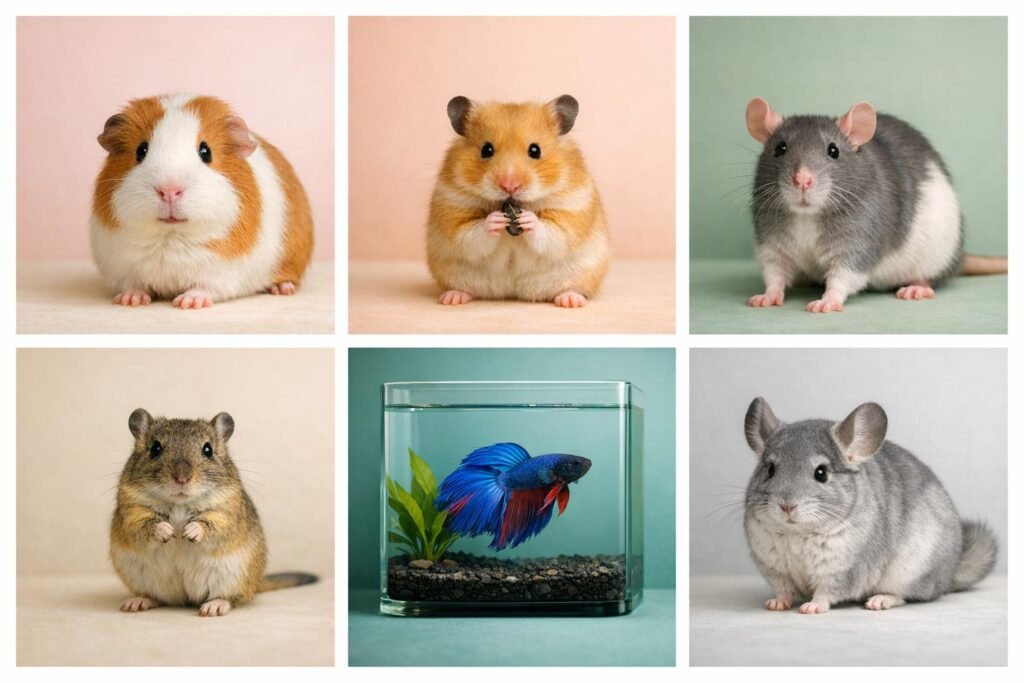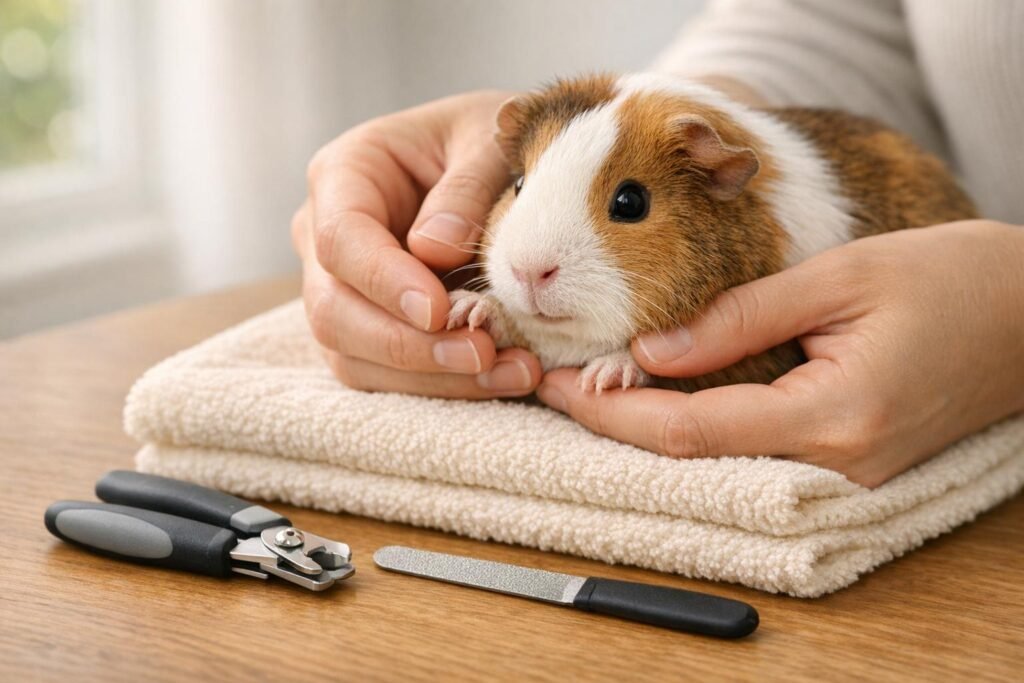
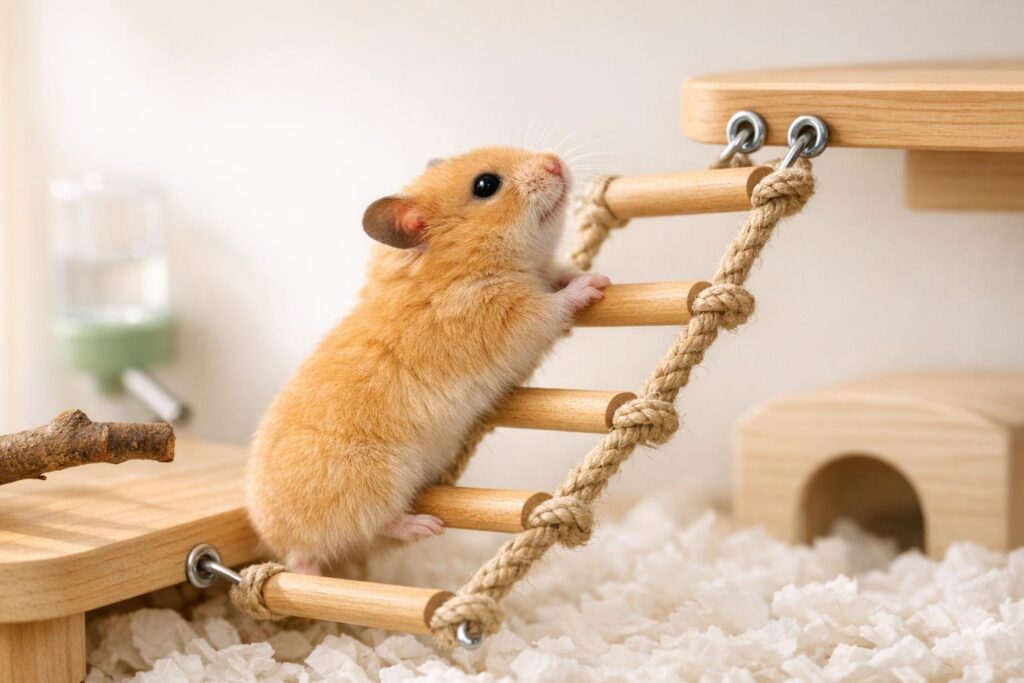
Small pets like rats, mice, and chinchillas thrive when they can climb. Without vertical spaces, they miss out on natural behaviors critical for their health. Adding climbing structures – like ropes, ladders, and platforms – can completely transform their living spaces. Here’s why:
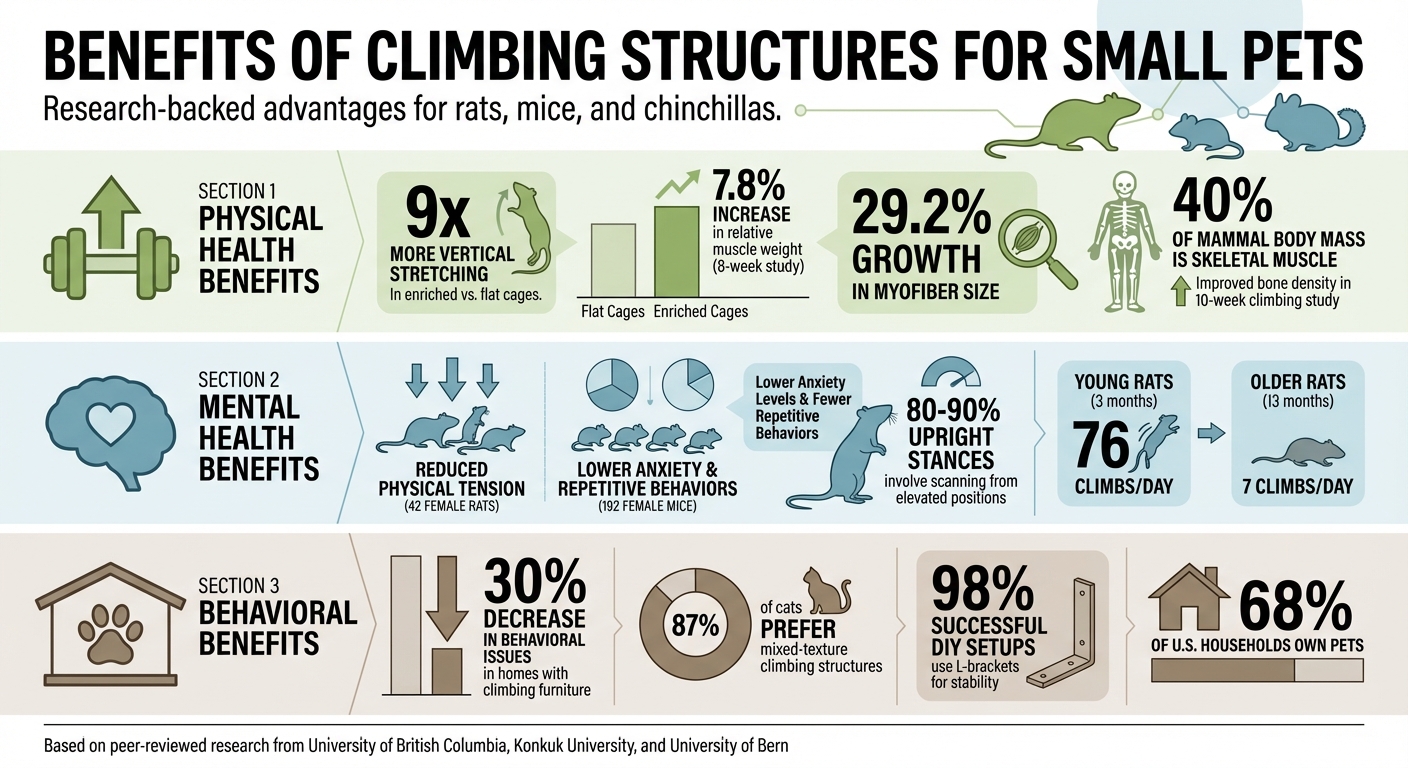
- Physical Health: Climbing improves muscle strength, joint health, and metabolism. For example, rats in enriched cages stretch vertically 9x more often than in flat cages, helping prevent stiffness and muscle loss.
- Mental Health: Elevated spaces reduce stress, anxiety, and boredom. Studies show vertical habitats decrease repetitive behaviors and increase exploration, keeping pets mentally sharp.
- Natural Instincts: Climbing mimics wild habitats, allowing pets to feel safe and engaged. Vertical zones also reduce tension in multi-pet homes by creating separate areas.
To set up safe climbing spaces, choose textured, non-toxic materials, ensure stability, and add soft bedding below. Even small changes, like wall-mounted shelves or hammocks, can make a big difference.
Health Benefits of Climbing Structures for Small Pets: Key Research Findings
Physical Health Benefits of Climbing Structures
Promoting Daily Exercise
Climbing serves as a combination of aerobic activity and resistance training, engaging both upper and lower body muscles simultaneously.
"Autonomous climbing has cross-functions of aerobic exercise and resistance training, accompanied by elevated benefits of glucose tolerance, energy production, mitochondrial function, myogenesis and protein balance ability." – Life Sciences
The metabolic advantages are impressive. Climbing not only enhances glucose tolerance but also supports maintaining a healthy body weight – crucial for animals in confined spaces. With skeletal muscle making up roughly 40% of a mammal’s total body mass, keeping muscles active is essential for overall metabolic health. A September 2025 study by Insu Kwon at Konkuk University demonstrated that 8 weeks of ladder-climbing resistance training in Wistar Hannover rats led to a 7.8% increase in relative muscle weight and a 29.2% growth in myofiber size, all while reducing overall body weight.
This improved metabolic performance directly contributes to stronger joints and healthier muscles, as explored below.
Better Joint and Muscle Health
Climbing doesn’t just boost fitness – it’s vital for maintaining joint and muscle strength. Research shows that even a short 3-week break from climbing significantly reduces muscle strength and grip in both young and middle-aged mice.
Bone health also sees remarkable benefits. In January 2026, a study led by Yiting Kang at Xi’an Jiaotong University examined ovariectomized rats (a model for postmenopausal osteoporosis). Over 10 weeks of weight-bearing ladder climbing, the rats experienced noticeable improvements in muscle strength and femoral bone density. Additionally, the exercise sped up bone healing, increasing bone volume fraction at injury sites within 10 and 21 days.
For older pets, climbing helps prevent joint stiffness and promotes mobility. Unlike standard cages that limit movement, vertical spaces encourage natural standing and climbing behaviors, which are critical for maintaining flexibility and overall movement.
sbb-itb-e212914
I made a DIY climbing wall for my rats!
Mental Health: Stress Reduction and Cognitive Stimulation
Climbing structures offer more than just physical benefits – they also help reduce stress and keep the mind sharp.
Lower Anxiety Through Elevated Spaces
Climbing connects to deep-rooted survival instincts. In the wild, animals like rats and mice instinctively climb to escape predators or find food. Elevated platforms provide a safe retreat, shielding them from stressors like loud noises or unfamiliar environments.
The calming effects of such spaces are backed by research. In June 2016, I. Joanna Makowska and Daniel M. Weary from the University of British Columbia observed 42 female Sprague-Dawley rats. Their findings revealed that vertical enrichment significantly reduced physical tension, a common stress response in standard cages.
"Standard laboratory cages interfere with important natural behaviours, which is likely to compromise rat welfare." – I. Joanna Makowska, Animal Welfare Program, University of British Columbia
Elevated spaces also help regulate body temperature. Platforms and hammocks allow animals to move between warmer and cooler zones, reducing the cold stress often felt at ground level. In October 2018, a study led by Jeremy D. Bailoo at the University of Bern examined 192 female mice (C57BL/6 and SWISS strains). Mice housed in "Super-Enriched" environments – featuring elevated platforms, ladders, and bridges – exhibited fewer repetitive behaviors and lower anxiety levels compared to those in simpler setups.
This reduction in stress sets the stage for improved cognitive engagement through exploration.
Mental Engagement Through Exploration
Climbing structures do more than ease anxiety – they actively stimulate the mind. Features like climbing rods and bridges promote exploration and play, which strengthen neural pathways in the hippocampus and encourage adaptive changes in the prefrontal cortex and amygdala. These changes enhance memory and motor skills, particularly when animals face new challenges.
Climbing also drives natural exploratory behavior. Studies show that 80–90% of rats’ upright stances involve scanning their surroundings from elevated positions. At around 3 months old, young rats climb as often as 76 times per day, though this activity drops to about 7 times daily by 13 months as they age. Despite reduced physical ability, their innate curiosity remains strong, highlighting the importance of climbing for mental well-being.
Without access to climbing opportunities, pets may develop chronic stress-related behaviors, such as repetitive movements. Environments lacking vertical features are a major contributor to these issues. Adding diverse climbing materials – like wire bars, ropes, and suspended bridges – offers both motor and cognitive stimulation, helping pets stay mentally active and behaviorally balanced.
Supporting Natural Behaviors in Small Pets
Climbing structures do more than just keep small pets active – they help them express natural instincts that are vital for their overall well-being. Without opportunities to climb or perch, pets can become bored, frustrated, or even physically uncomfortable.
Replicating Wild Habitats
In the wild, many animals depend on vertical spaces for survival and exploration. For instance, rats naturally climb and stand upright as part of their daily activities, while cats use elevated spots to stay alert and watch their surroundings. By adding climbing structures to their living spaces, pet owners recreate these essential experiences, offering mental stimulation and a sense of safety. These elements allow pets to tap into their natural instincts, making their environment feel more engaging and secure.
Height changes everything for pets. Instead of being restricted to a flat surface, climbing structures introduce a "3D territory" that maximizes space. This is especially helpful in homes with multiple pets, where vertical zones can reduce tension by giving each animal its own area. Cats, for example, use high perches as observation points, while rats benefit from vertical areas to satisfy their need for exploration.
Unfortunately, many standard enclosures lack adequate vertical space, forcing pets to adopt compensatory behaviors that signal discomfort and restriction. When these natural movements are suppressed, behavioral issues often follow.
Preventing Behavioral Problems
Lack of climbing and perching opportunities can lead to behavioral challenges in small pets. Frustration and boredom might show up as destructive scratching, over-grooming, or repetitive movements.
Even as rats age and become less active, their desire to stand upright remains strong. This highlights how deeply ingrained these behaviors are. For cats, the absence of vertical spaces can cause heightened anxiety and hypervigilance, especially in busy households or homes with multiple pets. Placing climbing structures near windows can offer visual enrichment – commonly called "cat TV" – and help redirect their energy toward healthier, more natural activities.
How to Add Climbing Structures to Pet Habitats
Adding climbing structures to pet habitats can significantly improve their physical health and mental stimulation. By tailoring these structures to match your pet’s natural behaviors, you can create a space that encourages exercise and keeps them engaged.
Selecting Structures for Different Pets
The right climbing structure depends on the type of pet. Active animals like chinchillas and rats thrive with multi-level setups, while pets with poor vision, like hedgehogs, should avoid high surfaces to reduce the risk of falls. Hamsters generally climb heights between 7 and 15 inches, though some can handle up to 25 inches. Syrian hamsters are better climbers compared to dwarf species, which often lack the muscle strength for steep vertical climbs.
Surface texture matters. Small rodents and hamsters need textured materials like wood, bark, rope, or carpet to climb safely. Smooth surfaces can lead to slips and injuries. For cats, studies show that about 87% prefer climbing structures with a mix of textures. When designing ladders, keep the angle at 45° or less for easier scaling and fill gaps with sphagnum moss to protect tiny feet and legs.
While choosing the right structure is essential, ensuring it’s safe and stable is equally important.
Safety and Stability Considerations
Stability is key for any climbing structure. Before introducing it to your pet, test its steadiness by gently pushing it from various angles. For pets over 10 lbs, opt for structures with wide, heavy bases to prevent tipping during energetic play.
"A well-designed cat tree must withstand the dynamic forces created when cats jump, climb, and scratch, making stability the cornerstone of effective cat furniture design." – PetsCare.com
Material safety is another priority. Use non-toxic finishes and avoid small parts that pets could chew off and choke on. To cushion potential falls, place at least 12 inches of soft bedding beneath climbing structures. Position taller structures against walls or in corners for added support and a sense of security. If placing structures near windows, anchor them securely to prevent accidents caused by pets reacting to outdoor activity.
In small spaces, vertical structures can maximize your pet’s environment.
Using Vertical Space in Small Habitats
Wall-mounted systems are a game-changer for pet owners with limited floor space. Shelves, bridges, and hammocks can transform walls into vertical playgrounds. For cats, homes with climbing furniture have seen a 30% decrease in behavioral issues.
Start small. Install a few shelves and a bridge, then expand upward as your pet becomes more comfortable. Use screws instead of nails for durability, and reinforce corners with L-brackets to handle active movement. In fact, 98% of successful DIY climbing setups include L-brackets for added strength. Place these structures near windows or lively areas of your home to keep your pet engaged.
Conclusion
Climbing structures are more than just fun additions to your pet’s environment – they play a key role in promoting physical health, reducing stress, and encouraging natural behaviors. A June 2016 study from the University of British Columbia highlights how enriched spaces with climbing options significantly cut down on compensatory movements in rats, showcasing the value of vertical exploration.
Elevated platforms cater to your pet’s instinct to observe their surroundings from above, helping them feel secure and reducing anxiety. Without access to these heights, pets may face physical discomfort and develop stress-related habits like destructive chewing or over-grooming.
You don’t need to completely revamp your home to provide these benefits. Simple additions like wall-mounted shelves or multi-level setups can make a big difference. Placing these structures near windows can also offer extra sensory stimulation. With 68% of U.S. households owning at least one pet, creating vertical spaces is an easy and effective way to improve your pet’s quality of life.
FAQs
How much climbing is enough each day?
For small pets such as cats, 15 to 30 minutes of climbing each day is usually sufficient to promote their physical and mental health. This activity helps them stay agile by improving joint flexibility, strengthens their muscles, and even helps lower stress levels. It’s a simple yet essential way to support their overall well-being.
What’s the safest height for my pet?
The ideal height for a climbing structure depends on your pet’s size and how active they are. It should be high enough to let them indulge their natural urge to perch and watch their surroundings, but not so tall that a fall could lead to injury. Always take into account your pet’s skills and preferences when deciding on the right height.
What materials are safest for climbing structures?
When it comes to climbing structures, the safest materials are those that are durable, non-toxic, and resistant to wear and tear. Good examples include sisal rope, natural fiber carpets, and sturdy wood or composite materials. These materials are not only pet-friendly but also help reduce health risks while offering reliable, long-lasting use.