
Understanding Your Small Pet’s Actions Made Easy
Caring for a tiny companion like a hamster, rabbit, or guinea pig is rewarding, but let’s be honest—it can be puzzling when they start acting strange. Maybe your bunny is gnawing on everything in sight, or your guinea pig seems more withdrawn than usual. Figuring out what these behaviors mean is key to ensuring they’re happy and healthy. That’s where tools designed to interpret small pet quirks come in handy. They bridge the gap between you and your pet’s unspoken needs.
Why Behavior Matters in Small Pets
Small animals often hide discomfort or stress, a survival instinct from their wild roots. A sudden change, like hiding more than usual, might hint at anxiety from a noisy environment or even an underlying issue. Other actions, like excessive chewing, could point to boredom or a need for dental care, especially in rabbits. By paying close attention and using resources to decode these signals, you’re taking a proactive step. Pair this with regular vet visits, and you’ve got a solid plan to keep your little friend thriving without the guesswork.
FAQs
Can this tool diagnose my pet’s health problems?
Not quite. Our Small Pet Behavior Analyzer gives you insights into why your pet might be acting a certain way, with categories like normal behavior, stress, or potential health concerns. But it’s not a diagnosis. If something seems off, especially with behaviors flagged as health concerns, please see a vet for a proper check-up. We’re here to guide, not replace professional care.
What if my pet’s behavior isn’t listed in the options?
We’ve included the most common behaviors for small pets like hiding, chewing, or lethargy, but we know every critter is unique. If you’re seeing something unusual that’s not in our list, it’s a good idea to jot down the details—when it happens, how often, any changes in their environment—and chat with a vet. You can also reach out to us with feedback so we can keep improving the tool!
Is this tool suitable for all small pets?
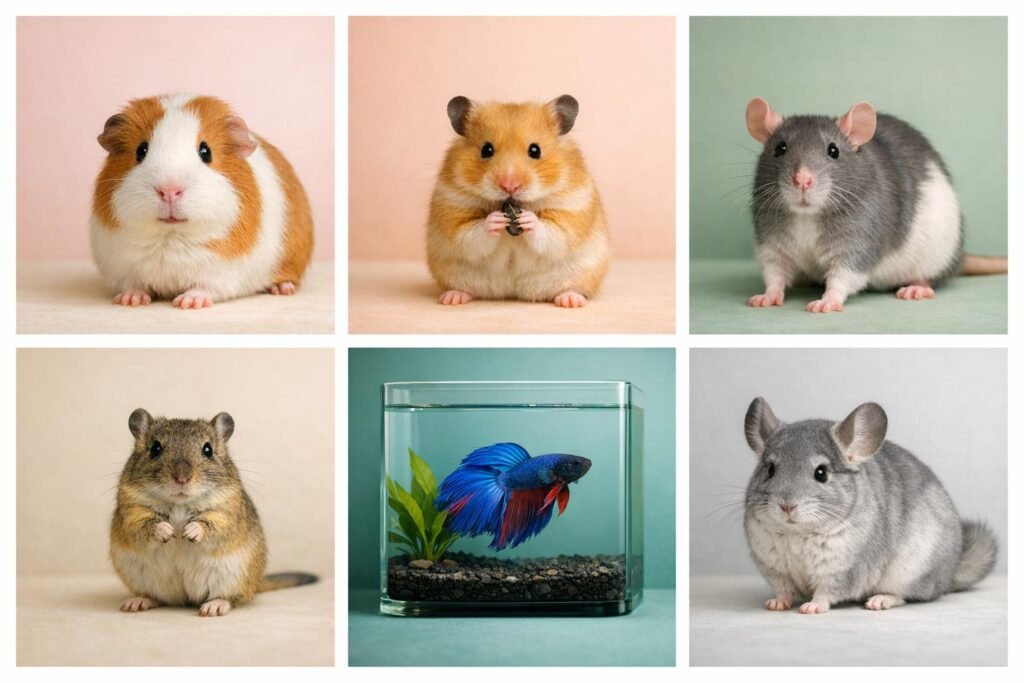
We’ve designed this for popular small pets like hamsters, rabbits, guinea pigs, and ferrets, focusing on their typical behaviors. If you’ve got a less common small pet, the tool might not fully apply since behavior patterns can vary wildly between species. Stick to the listed options for the best results, and for other pets, a specialized vet or exotic animal expert would be your best bet.