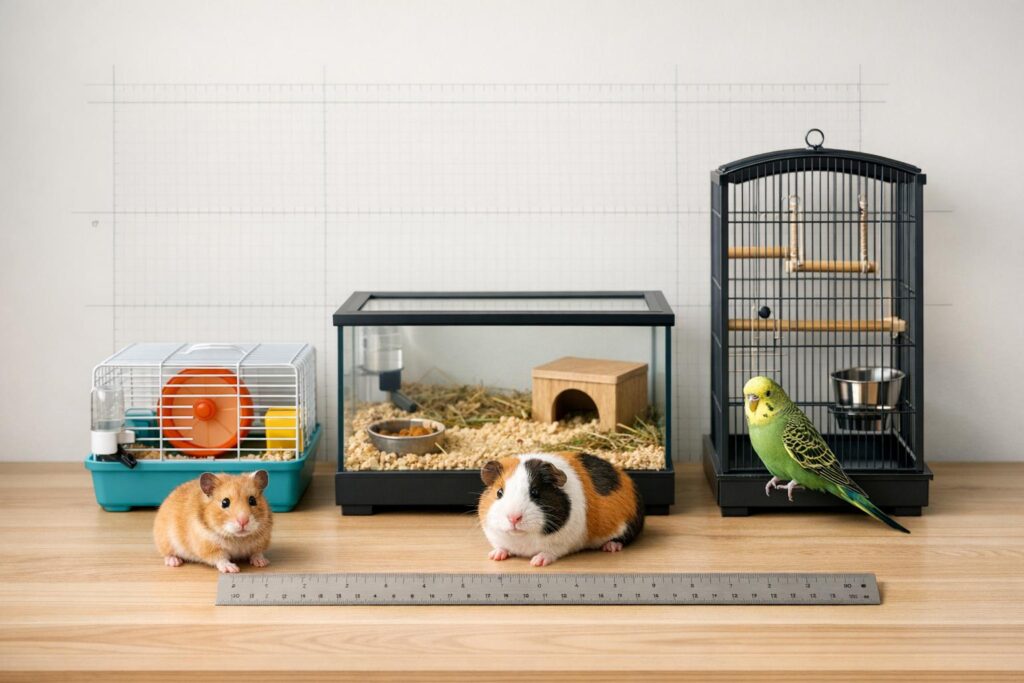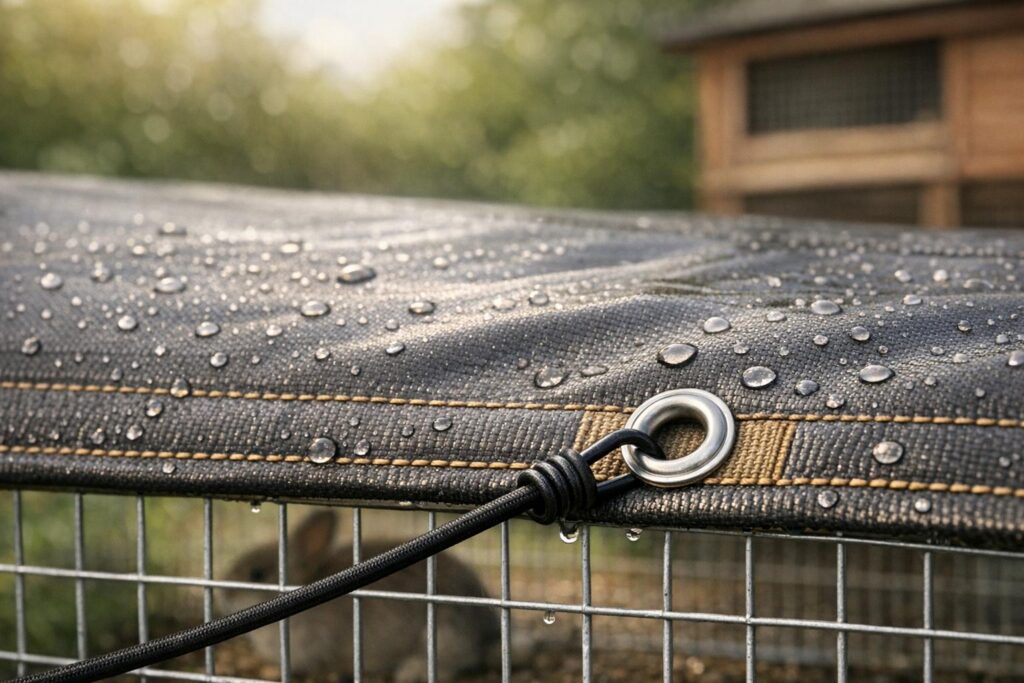

When temperatures rise above 85°F, small pets like rabbits, guinea pigs, and birds face a serious risk of heatstroke. Unlike humans, they can’t regulate their body temperature efficiently, making even moderately warm environments dangerous. Heatstroke can escalate quickly, causing organ failure or death if not addressed immediately.
Here are the 7 warning signs you need to watch for:
- Heavy panting or rapid breathing: Breathing becomes labored and doesn’t ease with rest.
- Tiredness and weakness: Pets may appear sluggish, disoriented, or collapse.
- Excessive drooling: Thick, sticky saliva is a clear red flag.
- Red or pale gums and tongue: Bright red gums may turn pale or blue as the condition worsens.
- Vomiting and diarrhea: Digestive distress, sometimes with blood, signals severe overheating.
- Confusion and loss of balance: Pets may stumble, circle, or seem disoriented.
- Collapse and seizures: A critical emergency requiring immediate intervention.
Act fast if you notice these signs: Move your pet to a cool area, offer small sips of water, and use lukewarm (not cold) water to cool them down. Always seek veterinary care, even if symptoms improve, as internal damage may not be immediately visible.
Heatstroke can become life-threatening in under an hour. Early recognition and quick action can save your pet’s life.
Know the Signs of Pet Heat Stroke and How to Treat It
1. Heavy Panting and Fast Breathing
Heavy panting and rapid breathing are often the earliest signs that your small pet might be struggling with heat. While panting is a normal way for animals to cool off, the kind seen during heatstroke is much more intense and alarming.
Normally, small pets like rabbits, guinea pigs, and hamsters breathe at a rate of 30–60 times per minute, while birds typically fall between 20 and 60 breaths per minute. During heatstroke, this rhythm can change dramatically. You might notice extremely fast, labored, or noisy breathing that doesn’t ease up, even if your pet rests or drinks water.
The risk gets worse if your pet has other factors working against them. Overweight animals, for example, can struggle more with heat because excess fat traps warmth, making it harder for them to cool down. Similarly, pets with thick fur coats may face extra challenges dissipating heat.
Pay close attention to breathing changes like persistent panting that seems strained or signs of hyperventilation. Very young or senior pets are particularly at risk since their ability to regulate body temperature may not be fully developed or could be compromised.
One way to stay ahead of potential problems is by knowing what’s normal for your pet. Take note of their usual breathing rate during cooler weather. This can help you quickly spot dangerous changes if their respiratory rate suddenly spikes.
If you notice heavy, rapid breathing that doesn’t improve after moving your pet to a cooler spot and offering water, it’s a sign of severe heat distress. In such cases, immediate action is needed to ensure their safety.
2. Tiredness and Weakness
Feeling unusually tired or weak can be an early warning sign of heatstroke in small pets. Pay attention to whether rest and cooling help improve their condition.
Normal tiredness usually means your pet will still be alert and responsive. They’ll likely perk up when you approach or tempt them with a favorite treat.
On the other hand, weakness caused by heatstroke often gets worse over time. It may start with mild lethargy and restlessness (signs of heat exhaustion) but can quickly escalate to severe disorientation, stumbling, collapsing, or even losing consciousness. Pets experiencing this may seem sluggish, have trouble standing or walking, and show little interest in food, water, or interaction.
A key difference between regular tiredness and heat-related illness is body temperature. Normal fatigue won’t cause dangerous temperature spikes, but heat exhaustion can raise body temperatures between 101°F and 103°F. Heatstroke can push it even higher – above 104°F, sometimes reaching 105°F or more. These elevated temperatures, combined with other symptoms, strongly suggest heat-related distress.
Be on the lookout for other warning signs like excessive drooling, vomiting, or diarrhea. These symptoms, when paired with weakness, point to heat-related illness rather than simple exhaustion.
If you notice these signs, act quickly. Move your pet to a cool, shaded, or air-conditioned spot. Offer small amounts of cool, fresh water if they’re alert enough to drink. Use a rectal thermometer to check their body temperature – anything above 104°F calls for immediate veterinary attention.
3. Heavy Drooling
Excessive drooling is one of the most obvious indicators of heatstroke in small pets like rabbits, hamsters, guinea pigs, and chinchillas. Unlike subtle shifts in breathing, heavy drooling is a clear sign of distress. Overheated animals tend to produce a continuous flow of thick, sticky saliva. This isn’t the occasional dampness you might notice after a pet drinks water – it’s persistent drooling that signals something is wrong. For hamsters, in particular, spotting saliva around their mouths can be easier than detecting changes in their breathing. This symptom, along with others, highlights the need for immediate cooling interventions.
Rowan Vets has specifically noted "Excessive drooling (thick saliva)" as a critical symptom of heatstroke in small pets, including rabbits, guinea pigs, and hamsters. Similarly, Jollyes.co.uk points out that "saliva around the mouth" is a particularly visible warning sign in these tiny animals. Adding to this, Sunnycrest Animal Care Center stresses that pocket pets like rabbits, hamsters, and guinea pigs are "extremely prone to heatstroke", with heavy drooling and thick saliva listed as early warning signs.
It’s important to monitor both the consistency and quantity of saliva. Normal drooling tends to be minimal and watery, but heatstroke causes it to become thick and sticky – a clear indication your pet is in heat-related distress.
4. Red or Pale Gums and Tongue
Keeping an eye on your small pet’s gums and tongue can help you catch early signs of heatstroke. Changes in their color often indicate how severe the situation is.
At first, the gums and tongue may appear bright red. This happens because blood vessels dilate, pushing overheated blood to the surface as the body tries to cool down. Dr. Jerry Klein, Chief Veterinary Officer at the American Kennel Club, explains this process:
"When a dog is overheating, their blood vessels dilate, leading to bright red gums. This dilation is the body’s attempt to cool down by letting more blood flow to the surface." – Waggle
However, if heatstroke progresses, the color can shift dramatically. Gums and tongue may turn pale or even blue, which signals poor circulation and oxygen levels – a serious sign of shock.
To check your pet’s condition, gently lift their lip and examine the gums and tongue. A healthy pet will have a pink hue. But if you notice bright red gums (an early warning) or pale, white, or blue gums (a more severe stage), it’s time to act immediately. These changes, often paired with heavy panting or drooling, are common in small pets like rabbits, hamsters, and guinea pigs. Keep in mind that in some species, these signs might be more subtle.
Familiarizing yourself with your pet’s normal appearance is essential. It allows you to spot abnormalities quickly and respond before the situation worsens.
sbb-itb-e212914
5. Vomiting and Diarrhea
Heatstroke can wreak havoc on the digestive system, often leading to vomiting and diarrhea. These symptoms usually appear alongside other warning signs like excessive panting, drooling, weakness, or noticeable changes in gum color.
If a pet starts vomiting or has diarrhea after being exposed to high temperatures, direct sunlight, or confined spaces like a hot car or near a heating vent, it’s a red flag for heatstroke. Pets that are older, overweight, or have thick coats are especially vulnerable and may struggle to cool down, putting them at higher risk for rapid deterioration.
The presence of blood in vomit or stool is a serious indicator of life-threatening internal damage that demands immediate veterinary attention. If these symptoms are accompanied by confusion, pale gums, or collapse, quick action is critical. Contact your veterinarian right away and start cooling measures to minimize further harm.
For detailed steps on how to respond, refer to the section titled What to Do If You See These Signs.
6. Confusion and Loss of Balance
Heatstroke in small pets often leads to confusion and ataxia, clear signs of central nervous system problems. These symptoms highlight a serious disruption in brain function, which can quickly worsen if left untreated.
When the brain struggles to regulate heat, reduced blood flow and metabolic disturbances can throw off its normal operations. This might show up as your hamster moving in circles, your rabbit bumping into furniture, or your bird repeatedly losing its footing. These behaviors are not just odd – they’re red flags that your pet’s brain is under stress.
Typically, these neurological signs don’t appear in isolation. They usually accompany other heatstroke symptoms like excessive panting, drooling, gum discoloration, or vomiting.
If you notice confusion, disorientation, or balance issues in your pet, it’s a clear sign of an emergency. These symptoms could mean brain swelling or even hemorrhaging, both of which can escalate rapidly into a life-threatening situation. Immediate veterinary attention is critical.
7. Collapse and Seizures
Collapse and seizures represent a critical, life-threatening phase of heatstroke. At this point, the body temperature often soars above 104°F (40°C), causing severe damage to the central nervous system and vital organs.
When body temperature reaches this extreme, blood flow to the brain becomes restricted, leading to swelling, hemorrhaging, and clotting. These complications quickly intensify the situation, making it a dire medical emergency.
The signs of collapse can look different depending on the species. For instance, a rabbit might suddenly topple over and struggle to stand, a hamster may go completely limp, and birds could fall from their perches, lying motionless on the cage floor. Seizures, on the other hand, can range from mild twitching to intense convulsions lasting several minutes.
What makes this stage especially dangerous is that much of the neurological damage stems from shock and multi-organ failure, rather than heat directly injuring the brain. Neurological issues are almost always present in clinical cases of heatstroke. In fact, around 40% of cases involve coma, while approximately 35% experience seizures.
Time is critical. Begin cooling immediately using lukewarm water – avoid ice-cold water – and get emergency veterinary care as quickly as possible to minimize the risk of lasting damage. The next section outlines immediate actions to safeguard your pet.
What to Do If You See These Signs
If your pet shows signs of heat distress, don’t wait – act fast. Start cooling them immediately and get them to a veterinarian as soon as possible. Follow these steps to help stabilize their condition while keeping a close eye on their symptoms.
Move your pet to a cooler area. Quickly get them out of direct sunlight or any hot environment. Ideally, place them in an air-conditioned room or a basement. If that’s not an option, find a shaded area with good airflow.
Cool them down with lukewarm water. Apply room-temperature water to sensitive areas like their paw pads, belly, or behind the ears. For smaller pets, you can mist a bird lightly with a spray bottle or dampen a rabbit’s ears. Avoid ice-cold water or ice packs, as these can make things worse by trapping heat inside the body.
Use damp, cool towels to help bring their temperature down, and refresh the towels as they warm up.
Offer small amounts of water. If your pet is alert, let them drink small sips of cool water. For tiny pets like hamsters, a few drops from a syringe could be enough. Birds may prefer shallow dishes where they can cool their feet.
Check their temperature if you can. Use a digital thermometer to monitor their progress and adjust cooling efforts carefully. Normal body temperatures vary by species – rabbits usually range from 101°F to 103°F (38.3–39.4°C), while birds can range from 104°F to 112°F (40–44.4°C). Contact your veterinarian immediately, even if your pet starts to look better. Heatstroke can cause internal damage that may not be obvious right away.
Keep them cool during transport. If you’re taking your pet to the vet, make the trip as comfortable as possible. Use air conditioning or crack the windows slightly for airflow. You can also place damp towels in their carrier to keep the temperature down. Once you arrive, continue monitoring their recovery and note any lingering or worsening symptoms.
Stay vigilant throughout the process. Improvement signs include reduced panting, better responsiveness, or gums returning to their normal color. However, watch for serious warning signs like vomiting, seizures, or unconsciousness, which require immediate medical attention.
For smaller pets, be extra cautious. Tiny animals such as hamsters can cool down much faster than larger pets, which means they’re at risk of overcooling in just a few minutes. Keep a close eye on their condition to ensure they’re stabilizing properly.
Conclusion
Catching heatstroke early can mean the difference between life and death for your small pet. Acting quickly to cool them down and seeking immediate care can significantly improve their chances of recovery. Without intervention, pets deprived of shade, water, and rest can face a life-threatening situation in under an hour.
When a pet’s body temperature rises above 104°F, they may experience severe symptoms like disorientation, seizures, or even organ failure. Recognizing these signs early is crucial to preventing irreversible damage. This is why prompt cooling and professional veterinary attention are so vital.
Hot weather poses a greater danger to pets with specific vulnerabilities, such as older animals or those with preexisting health issues. Heatstroke is treatable if addressed early, but even if your pet seems to recover, it’s essential to consult your veterinarian to ensure no hidden complications remain.
For more tips on caring for small pets, Little Pet Corner provides reliable and detailed resources for rabbits, hamsters, birds, and other tiny companions. By staying prepared and alert, you can help ensure your pet’s safety and well-being, even in extreme conditions.
FAQs
What should I do right away if I think my small pet has heatstroke?
If you think your small pet might have heatstroke, it’s important to act fast. First, move them to a cooler, shaded area or somewhere with air conditioning. Offer them small sips of cool (not cold) water to drink, and gently moisten their fur or feathers using lukewarm water. Focus on areas like their belly, paws, and neck. Avoid using ice-cold water, as it could lead to shock or make their condition worse.
Reach out to your veterinarian immediately for advice and treatment. Heatstroke is a serious situation, and professional care is crucial to help your pet recover.
What are the best ways to protect small pets from heatstroke in hot weather?
To keep your small pets safe from heatstroke during hot weather, make sure they always have access to cool, shaded spots and plenty of fresh water. Try to schedule any outdoor activities during cooler parts of the day, like early morning or late evening, to avoid the intense midday heat.
Inside your home, you can help them stay comfortable by using fans, cooling mats, or damp towels. However, skip ice or extremely cold water, as these can be too shocking for their system. Stay alert for signs of overheating, such as sluggishness or heavy panting, and take immediate action if you notice these symptoms.
Which small pets are more at risk for heatstroke, and why?
Some small pets are especially vulnerable to heatstroke because of their size, physical characteristics, or challenges in regulating body temperature. For example, rabbits, guinea pigs, and rodents like mice and rats are at greater risk since their small bodies tend to trap heat more easily. Similarly, pets with flat faces, such as certain small dog breeds, often have difficulty cooling themselves effectively.
Older animals, pets with thick or long fur, and those with existing health conditions are also at higher risk during hot weather. To protect them, make sure they stay in a cool, well-ventilated area and keep a close eye on their behavior when temperatures rise.